

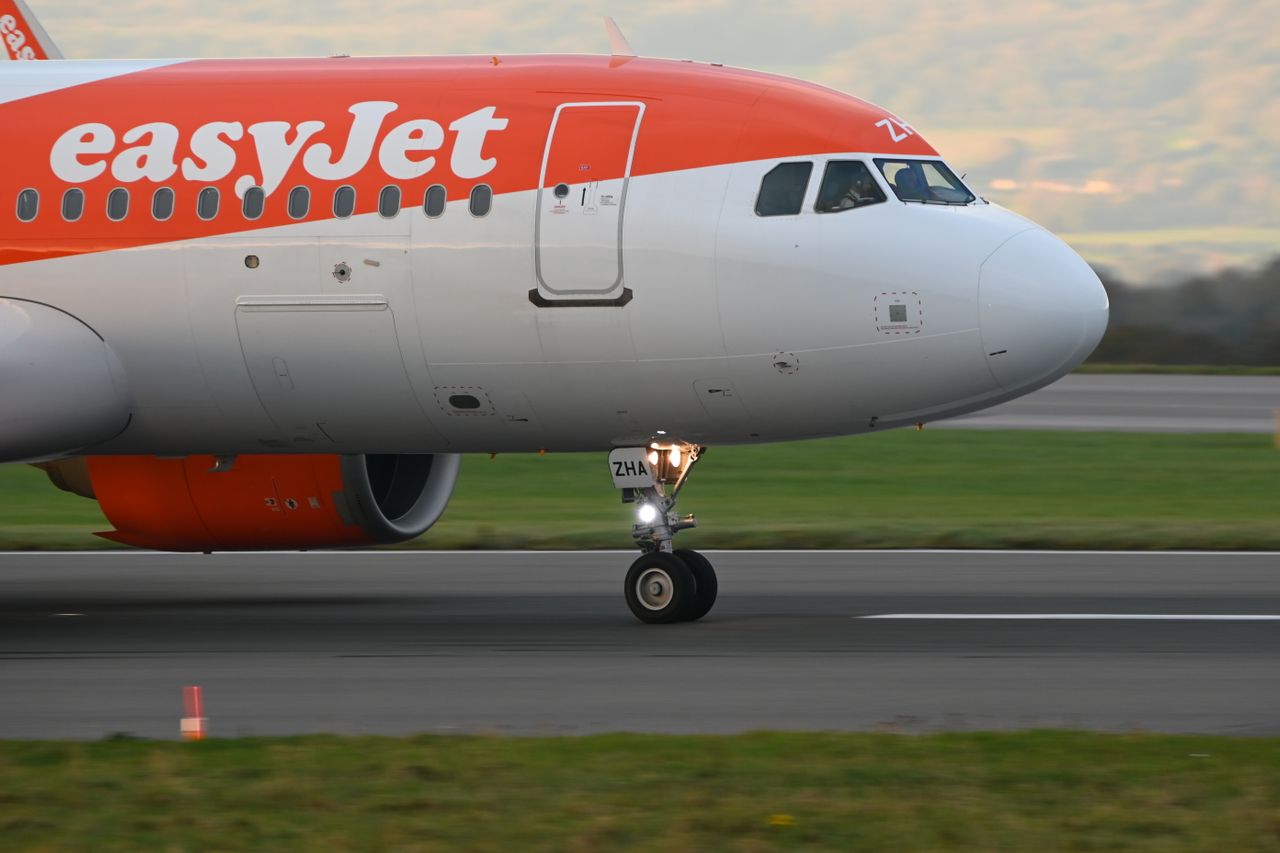
Low-cost airlines across Europe have been under pressure to grow profits while coping with aircraft delivery delays, higher operating costs, and intense competition for price-sensitive travelers. That backdrop sharpened on July 10, when easyJet said it had agreed in principle to a £5.7 billion takeover proposal from U.S. private equity giant Apollo Global Management, displacing an earlier recommended offer from Castlelake.
EasyJet switches support to Apollo after a higher bid
EasyJet announced on July 10 that its board had agreed in principle to support Apollo’s cash proposal of £7.15 a share, valuing the airline at about £5.7 billion, or roughly $7.7 billion, according to the company and Reuters. The airline said Apollo’s terms represented a better outcome for shareholders than the £6.90-a-share proposal from Castlelake that easyJet had backed only days earlier.
The change came quickly. Reuters reported that easyJet withdrew support for Castlelake’s earlier £5.5 billion proposal after Apollo entered with the higher bid, while CBS News similarly described the move as a takeover battle between two U.S. private equity firms. Public market trading reflected the shift, with Reuters reporting that easyJet shares rose sharply after the Apollo-backed proposal became public.
The current agreement is still not the final closing of a takeover. A prior easyJet filing tied to the Castlelake process said a firm offer must still be formally announced under the U.K. takeover code by a set deadline, and Apollo’s proposal now becomes the central focus of that process. EasyJet also said Apollo’s package includes an alternative that would let some eligible shareholders keep an investment stake alongside Apollo funds.
Because the buyer is a U.S. private equity firm, the deal has a clear American financial angle even though easyJet is a British airline with operations centered in Europe. Apollo is based in the United States, and Castlelake, the rival bidder easyJet had previously supported, is also a U.S. investment firm, making the contest a notable example of American capital targeting a major European travel brand, according to Reuters, CBS News, and easyJet’s own update.
For U.S. readers, the immediate local effect is tied more to finance and investment than to airport service changes at home. EasyJet does not operate a domestic U.S. route network, and the company has not announced any U.S.-based operational expansion as part of the bid. What is confirmed is the proposed ownership change; what is not yet known is whether Apollo would alter fleet plans, staffing levels, route strategy, or asset ownership if a final deal is completed.
The company also has not released a comprehensive post-deal operating plan. That means there is still no public list of specific route changes, aircraft sales, or management restructuring tied to the Apollo proposal. For now, the clearest verified takeaway is that a U.S. private equity buyer has emerged with the highest disclosed offer and easyJet’s board has said it prefers that proposal.
The takeover interest did not emerge in isolation. EasyJet has told investors it is pursuing a medium-term goal of more than £1 billion in profit before tax, while Reuters reported that some investors believed the carrier’s public market valuation did not fully reflect the strength of its assets and recovery prospects. That gap between market price and takeover value appears to have helped attract competing suitors.
There is also broader industry context. European airlines have been trying to rebuild margins after the pandemic period while managing cost inflation and capacity constraints. Reuters and other coverage noted that easyJet’s shares had traded below the bid levels, which can make a listed company more attractive to buyout firms seeking to take a business private, restructure it, and capture future upside away from public markets.
For customers, easyJet has not announced immediate changes to tickets, schedules, or loyalty arrangements as a result of the July 10 agreement in principle. Travelers should expect normal operations unless the company states otherwise, because the proposal still has to move through formal takeover steps and possible regulatory review. EasyJet’s latest public position is that Apollo’s offer currently represents the superior proposal for shareholders, and the airline’s next formal updates are likely to come through the takeover process and company statements.