

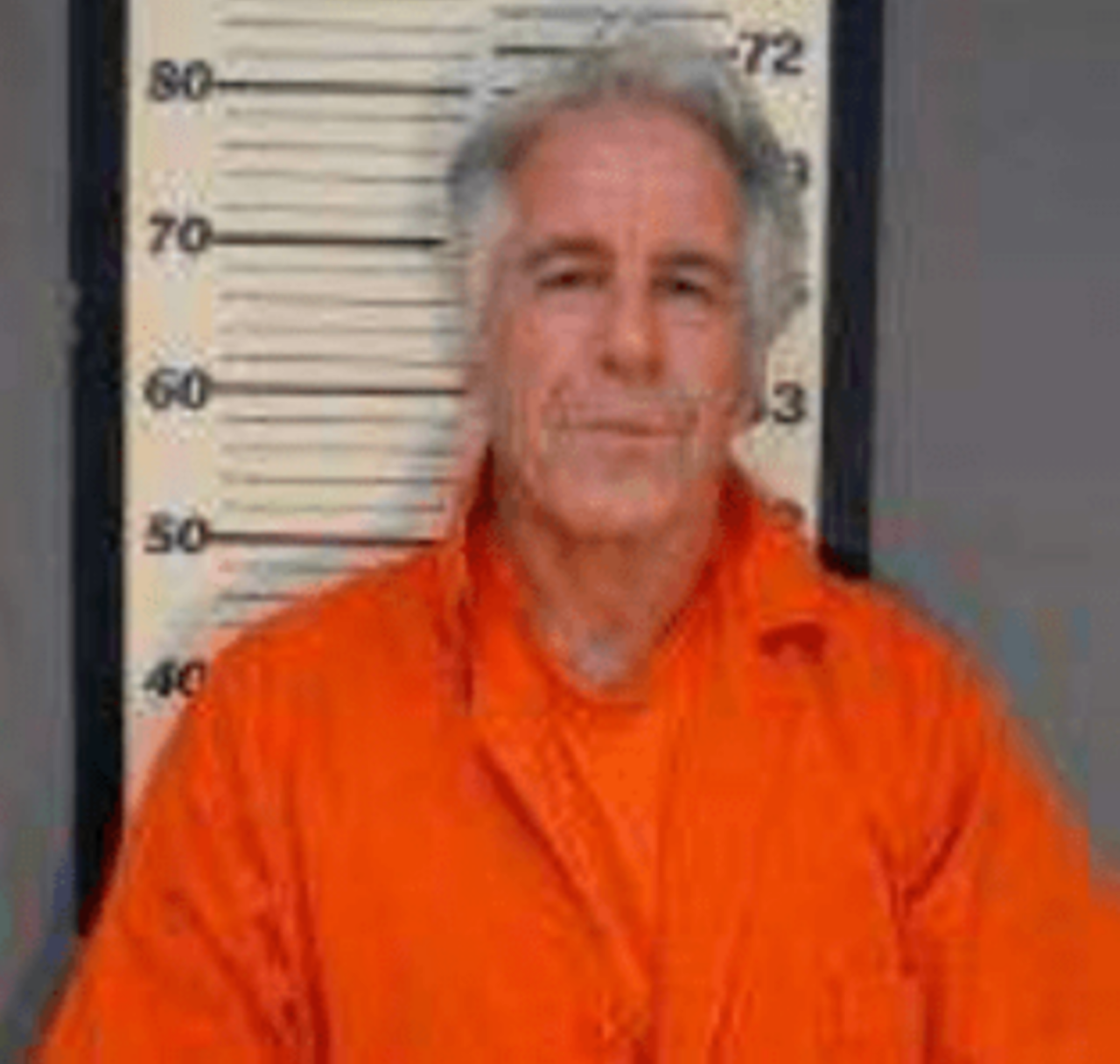
Jeffrey Epstein cannot be prosecuted again after his death in 2019, but his name remains at the center of a new congressional inquiry tied to national security and foreign influence. In Washington, the latest push is coming from House Democrats examining whether Epstein worked to advance the interests of foreign governments without registering under federal law. The investigation is focused not on charging Epstein, but on what federal agencies knew, what records remain undisclosed and whether foreign ties created broader security risks.
House Democrats open a new inquiry into Epstein’s foreign relationships
The new investigation was launched by Rep. Jamie Raskin of Maryland, the top Democrat on the House Judiciary Committee, who on July 21, 2026, requested records from the Department of Justice, the State Department and the intelligence community, according to CNN. Raskin is seeking documents related to Epstein’s interactions with foreign officials and asking whether any federal investigation ever examined whether he acted as an unregistered foreign agent. The inquiry follows the release of records by the Justice Department and the House Oversight Committee that Democrats say raised new questions about Epstein’s overseas connections.
Raskin wrote that his review of available material found what he described as substantial evidence that Epstein “acted to advance the interests” of Saudi Arabia and Kuwait, advised the Russian government and worked as a consultant for a former Israeli prime minister, according to CNN. He also said Epstein’s ties may have posed security risks because Epstein was never registered under the Foreign Agents Registration Act, the federal law that requires certain people working on behalf of foreign governments to disclose that relationship. The law is typically enforced through the Justice Department, and violations can lead to civil or criminal consequences.
Because Republicans control the House, the request is unlikely to carry subpoena power at this stage. CNN reported that the letters may go unanswered, but the move signals how Democrats could pursue the issue if they win back committee control in the next Congress. That makes the current inquiry both an oversight effort and a marker of a broader political strategy.
The practical impact of the inquiry is centered in Washington because the requests were directed at federal agencies that may hold records on Epstein’s contacts, travel, communications and foreign dealings. What is confirmed is that Democrats are asking for agency files and written answers about whether Epstein’s activities were ever formally examined through a foreign-agent lens. What is not known is whether those agencies will comply, how many records may ultimately be produced or whether any previously undisclosed evidence would materially change the public understanding of Epstein’s network.
CNN reported that Raskin believes there may be relevant information in roughly 2.5 million Justice Department documents that have not been released. That figure gives the inquiry scale, but it does not establish what those records contain. No agency response had been publicly detailed at the time of the report, and CNN said it had reached out to the Justice Department, the State Department and the Office of the Director of National Intelligence for comment.
The inquiry also underscores the distinction between investigating a dead individual and investigating the institutions, associates and government actions surrounding that individual. Epstein’s death closed off the possibility of a new criminal case against him personally, but it did not prevent Congress from asking whether others missed warning signs, whether foreign influence concerns were ignored or whether records remain hidden inside federal files.
The central reason Democrats are still investigating Epstein is that congressional oversight does not end when a subject dies. Lawmakers can still examine whether misconduct touched government systems, whether foreign governments benefited from private influence and whether federal agencies failed to act on warning signs. In this case, the reported focus is less about revisiting Epstein’s criminal liability and more about understanding whether his relationships had implications for US policy, intelligence or legal enforcement.
The inquiry also reflects how Epstein’s case has evolved beyond the crimes for which he was already publicly known. According to CNN, Raskin argues that available evidence points to activity that may have advanced the interests of multiple foreign states. If lawmakers believe those activities intersected with federal enforcement failures or national security concerns, they have a basis to seek records even years after Epstein’s death.
Politically, the effort serves another purpose. CNN reported that the investigation previews how Democrats could use committee authority if they regain the House majority. For now, the outcome is uncertain, but the immediate effect is clear: the focus has shifted from whether Epstein can be prosecuted to whether the government fully examined the broader network of foreign ties around him.