

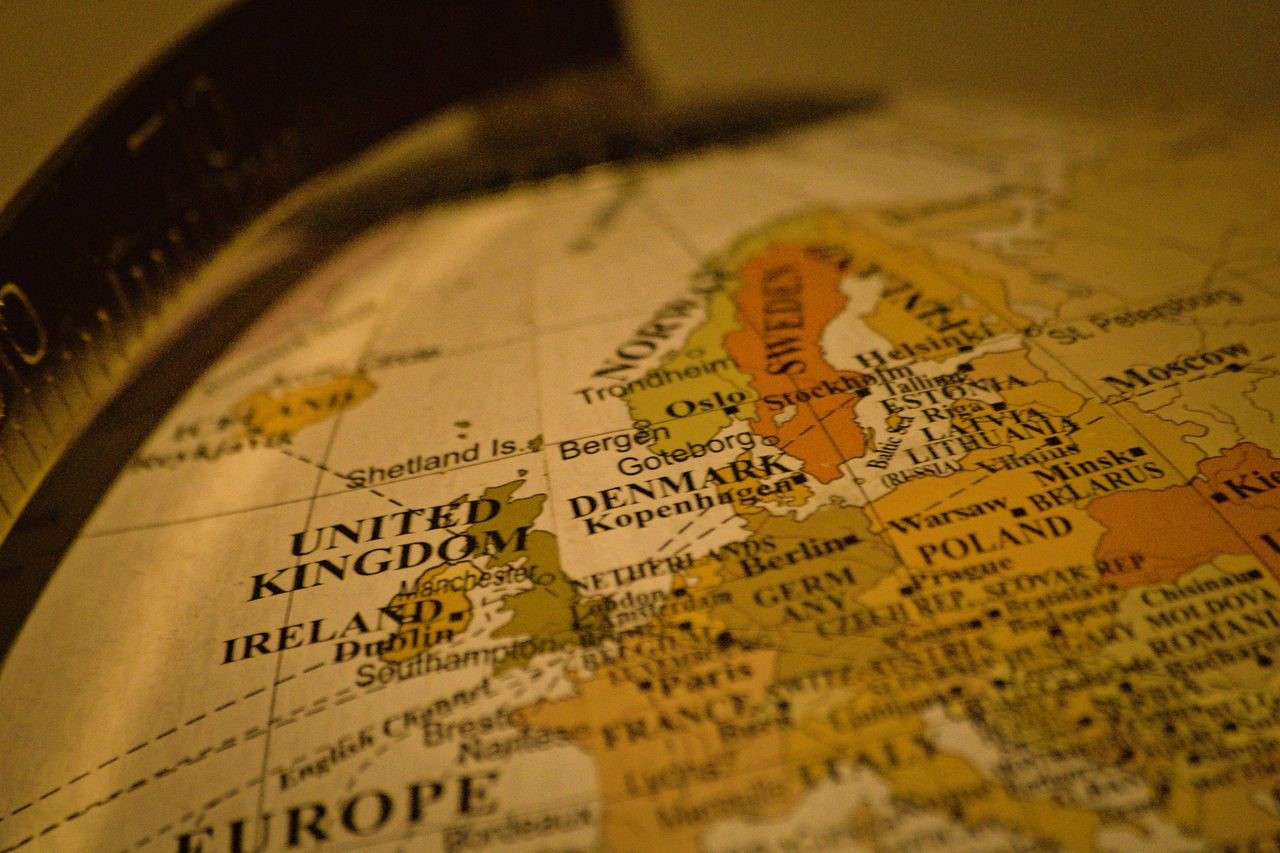
Heat arrived in Europe this year like a season out of order. What should have been late spring suddenly looked and felt like peak summer, and scientists say that mismatch is exactly why the event matters.
A spring heat wave that looked more like midsummer

Across western Europe in late May 2026, temperatures surged to levels that would have been remarkable even in July, let alone before June had begun. According to the Met Office, the United Kingdom provisionally recorded 35.1°C at Kew Gardens on May 26, breaking the national May temperature record for the second consecutive day and blowing past the previous May benchmark of 32.8°C. The same spell also pushed temperatures to records in France and other parts of western Europe, with national weather agencies describing the event as exceptional for the time of year.
What made this heat wave so jarring was not just the peak number on a thermometer. It was the timing, the geographic reach, and the speed with which the atmosphere locked into a dangerous pattern. Scientific American described western Europe as trapped under a heat dome, while the European Space Agency reported that satellite observations from Sentinel-3 showed extremely hot land surfaces across the region. In plain terms, the heat was so widespread and intense that it was visible from space, a vivid sign of how abnormal the event had become.
France’s national meteorological service called the episode historic, exceptional, and unprecedented for May, noting that the country had been gripped by an unusually early and durable heat event beginning around May 21. News reports from AP and other outlets showed how the heat touched daily life immediately: public health warnings were issued, vulnerable people were urged to stay cool, and concern spread from cities to amateur sporting events and schools. This was not a distant climate abstraction. It was a fast-moving disruption landing in the middle of ordinary routines.
That is why the phrase “late-May heat records” matters so much. Records in high summer are dangerous enough, but records in late spring suggest seasonal boundaries are shifting. A heat event arriving this early can catch infrastructure, health systems, employers, and households unprepared because the protective habits of summer have not yet been activated. Scientists have warned for years that climate change would make heat waves earlier, longer, and more intense, and this event fit that pattern with unsettling precision.
Why scientists see this as more than a one-off weather anomaly

Meteorologists can explain the immediate mechanics of the event: a strong dome of high pressure, sinking air, clear skies, and persistent warmth that allowed temperatures to build day after day. But climate scientists focus on the background conditions that made such an episode more likely and more severe. Europe is the fastest-warming continent on Earth, according to the latest European State of the Climate findings released through Copernicus and the World Meteorological Organization, and that long-term warming loads the dice toward hotter extremes.
That is the central scientific point. No single heat wave is caused by climate change alone, but climate change changes the odds and the intensity. The Met Office said a climate attribution study published by its scientists found that the chances of breaking the UK’s May temperature record have been increasing as the climate warms because of human greenhouse gas emissions. Researchers quoted by Scientific American and other outlets went further, arguing that this May event bore the clear signature of a warming world because it pushed well beyond the range people once expected for spring.
Scientists are especially alarmed by events that occur outside the traditional peak season. Early-season heat can be a warning sign because it reveals how much the baseline has shifted. When temperatures capable of threatening health and straining infrastructure arrive in May, they hint at what could happen later in June, July, and August if similar circulation patterns develop on top of an already hotter background climate. In that sense, this was not just a weather story about one hot week. It was an early stress test for the rest of the warm season.
There is also a broader lesson for the rest of the world. Europe is not uniquely vulnerable to extreme heat; it is simply one of the places where the trend is becoming impossible to ignore. The same physics applies elsewhere. A warmer atmosphere raises the floor from which heat waves begin, making once-rare extremes more plausible across North America, Asia, and beyond. When scientists call Europe’s late-May records a warning sign, they are not speaking metaphorically. They are describing a pattern that other regions should assume they will face as well.
The human toll shows why timing matters as much as temperature

Extreme heat is often underestimated because it does not look like a dramatic disaster in the way wildfire, flooding, or a hurricane does. Yet it is one of the deadliest weather hazards in the world, and this late-May event showed why. AP reported that deaths at amateur sports events in France helped prompt warnings as the heat intensified, and later coverage indicated that multiple heat-related deaths had been linked to the episode. The danger was not confined to the elderly or visibly frail. It reached athletes, outdoor workers, and people engaged in everyday activity before summer precautions were fully in place.
One of the most serious risks during early heat is false confidence. People are less likely to modify behavior in May than in August. They may not hydrate as aggressively, check on relatives as often, or avoid strenuous afternoon activity because the calendar says spring. Schools may still be in regular session, public cooling plans may not be fully activated, and buildings designed to retain warmth after winter can suddenly trap dangerous heat indoors. The event exposed how social expectations can lag behind atmospheric reality.
Heat also compounds other hazards. French reporting during the episode pointed to unusually early ozone pollution and a rise in drownings as people sought relief in rivers and unsupervised swimming spots. Hospitals and emergency systems do not face one isolated climate impact at a time; they face clusters of interconnected risks. A hot spell can simultaneously worsen respiratory stress, cardiovascular strain, dehydration, workplace accidents, and water-safety incidents. That multi-layered burden is one reason public-health experts treat heat as a system-wide threat rather than a single forecast variable.
The deeper warning is that the toll can mount quietly. Heat deaths are often undercounted in real time because they are recorded through heart attacks, strokes, kidney stress, respiratory decline, or exacerbation of chronic illness. By the time official tallies are completed, public attention has often moved on. But every unusually early event increases the odds of cumulative harm over a long season. If Europe is seeing dangerous heat before June, the concern is not only what happened in one week. It is how much exposure may still lie ahead before autumn arrives.
What this says about infrastructure, cities, and public readiness

This heat wave was also a test of systems that were never built for such extremes, especially so early in the year. Europe has made progress since the catastrophic heat of 2003, but many buildings, schools, transit networks, and workplaces still rely more on temperate-climate assumptions than on heat resilience. When temperatures race into record territory in May, cooling plans, staffing models, and maintenance schedules can all be out of sync. The result is a mismatch between climate reality and institutional preparedness.
Cities are especially exposed because they magnify heat through concrete, asphalt, low tree cover, and waste heat from traffic and buildings. Satellite imagery highlighted by the European Space Agency showed scorching surface temperatures across urbanized regions, a reminder that the heat people experience on streets and in apartments can be much more punishing than official air temperatures suggest. A reading of 35.1°C at a weather station is serious on its own, but the lived heat in dense neighborhoods can be substantially worse, especially at night when buildings release stored warmth slowly.
Nighttime heat is one of the most dangerous parts of these events because it denies the body recovery. AP reported that in France, overnight temperatures remained widely above 20°C during the heat wave. That matters because sustained warmth through the night increases strain on the cardiovascular system, worsens sleep, and raises risk for older adults, infants, and people without access to cooling. A society can sometimes endure a hot afternoon. It struggles far more when the heat never really lets go.
Adaptation, then, is no longer a future-tense concept. It means redesigning schools so children can learn safely in heat, expanding shade and tree cover, updating labor rules for outdoor work, strengthening public alert systems, and treating cooling as essential infrastructure rather than a luxury. The early timing of this event underlined a difficult truth: readiness cannot begin at the height of summer. In a warming climate, the season of heat risk starts earlier than many governments and households still assume.
Why the rest of the world should pay attention now

It would be easy for people outside Europe to see this as a regional story, one more extraordinary weather event in a year full of them. That would be a mistake. Europe’s late-May heat records matter because they show how rapidly extremes can migrate across the calendar and because they illustrate the gap between what societies expect and what the climate is now delivering. If a major region can experience dangerous, record-shattering heat before June, then other regions should question whether their own assumptions about “normal” seasonal timing are already obsolete.
There is a practical lesson here for the United States and elsewhere. Heat preparedness should not wait for July 4 forecasts or for the traditional dog days of summer. Utilities, schools, sports leagues, employers, and local governments need to plan for earlier onset, longer duration, and compound impacts. Forecasting has improved, but forecasting alone is not enough if public behavior and infrastructure remain calibrated to an older climate. Europe’s experience suggests that the biggest vulnerability may not be ignorance of the science but failure to operationalize it fast enough.
There is also a moral dimension. Extreme heat exposes inequality quickly. People with air conditioning, flexible schedules, insulated housing, and access to transportation can adapt more easily than those in poorly ventilated apartments, high-heat jobs, or underfunded communities. When scientists describe this event as a warning, they are also warning about uneven risk. The burden of climate-driven heat will not fall evenly, and the people least responsible for emissions are often the least protected from the consequences.
The clearest takeaway is also the simplest. This was not just an unusually hot week in Europe. It was a preview of how climate change is reshaping seasons, stressing health systems, and challenging the idea that extreme heat is only a midsummer problem. The warning is not that heat waves might become more disruptive someday. It is that they already are, and the calendar is no longer a reliable guide to when danger begins.