

As fighting tied to the wider Middle East conflict reshapes global shipping and oil markets, control of maritime choke points has become a central concern for governments and traders. In Yemen, that focus shifted sharply to the Bab el-Mandeb Strait after President Donald Trump said the Houthis had told the U.S. they did not want to fight America, even as the group expanded its position along the Red Sea coast. The latest developments center on a string of Yemeni islands and ports that sit beside one of the most important sea lanes for Saudi exports and global commerce.
Houthis expand their hold around the Bab el-Mandeb
Yemen’s Iran-backed Houthi rebels captured the islands of Greater and Lesser Hanish on Monday, Sept. 14, according to government and Houthi officials cited by The Associated Press. AP reported the rebels deployed to the archipelago after hundreds of government-allied forces withdrew, extending a rapid campaign that had already brought the Houthis to Mokha on Thursday and Mayun, also known as Perim, on Friday. Reuters, in a Sept. 11 report, said four Yemeni government sources confirmed the Houthis had reached Perim, tightening their grip on the strait.
Trump said over the weekend that the Houthis had contacted the United States and “don’t want to fight with us,” according to AP’s Sept. 12 coverage of his remarks. In the same account, Trump said the group would “much prefer not having us involved,” while adding that “they’re letting most ships go through.” AP reported that the Houthis have said they are targeting Saudi shipping, not seeking a broader fight with the United States.
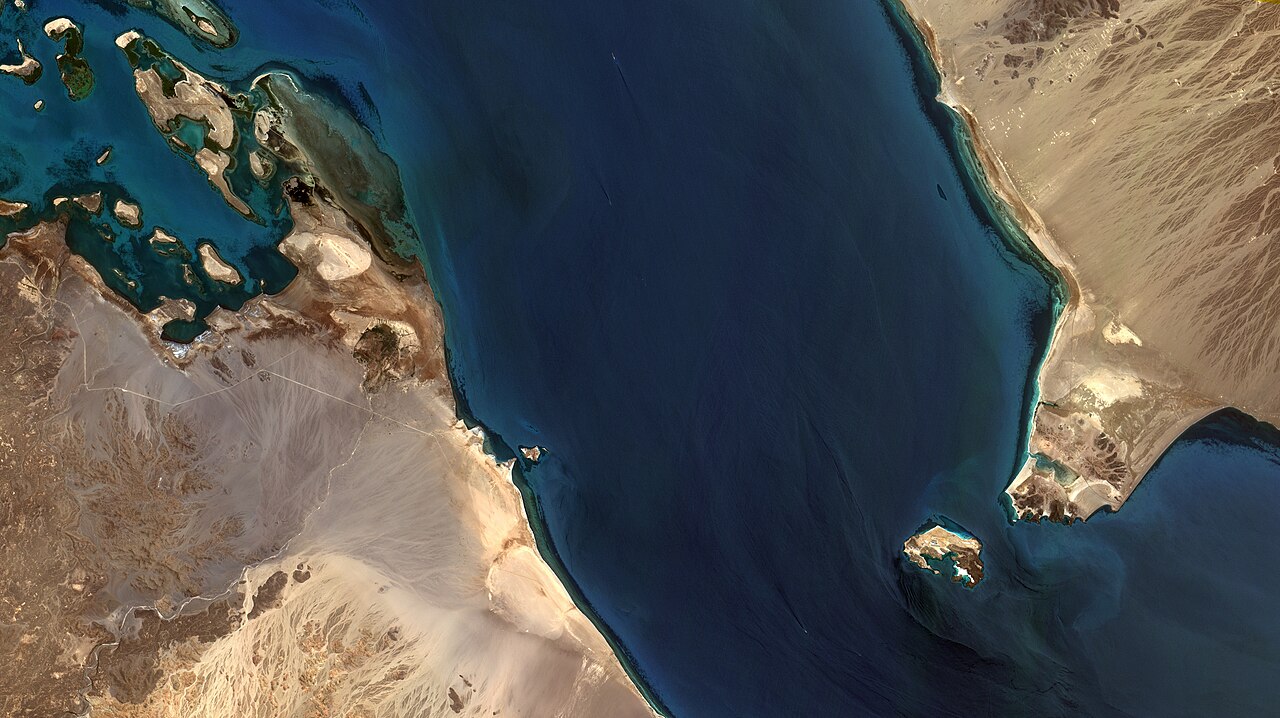
The scale of the advance is significant because the islands sit along or near the Bab el-Mandeb, the narrow passage connecting the Red Sea to the Gulf of Aden. AP reported Monday that the Hanish islands are about 160 kilometers, or 100 miles, north of the strait, and that recent Houthi gains have put the group roughly 20 miles from the U.S. military base in Djibouti.
The immediate impact is centered on Yemen’s western coastline and nearby islands, including Mokha, Dhubab, Mayun and the Hanish chain. What is confirmed is that Houthi forces now hold more territory around the southern Red Sea after government withdrawals and battlefield losses, according to AP and Reuters. What is not yet fully clear is how durably the Houthis can hold every new position, or whether Saudi-backed government forces can reverse any of those losses in the coming days.
For shipping, the concern is not only local battlefield control but proximity. AP reported Friday that the seizure of Mokha and Mayun brought Houthi forces to the heart of the Bab el-Mandeb, a major alternative route for Saudi oil shipments while the Strait of Hormuz remains disrupted by the broader Iran war. Reuters reported that taking Perim and nearby Dhubab would increase the threat to energy markets by placing the Houthis closer to vessels transiting the chokepoint.
The humanitarian toll inside Yemen is also rising. AP reported that at least 76,000 people had fled escalating fighting as of Sept. 12, a figure that later rose in AP’s Sept. 14 reporting to more than 80,000 displaced in the prior two weeks, including more than 2,000 who fled by boat to Djibouti.
The Houthis’ coastal push is unfolding during a wider regional war that has already disrupted energy routes and sharpened U.S.-Iran tensions. Reuters reported Sept. 10 that Yemeni government, Iranian and regional sources said the Houthi advance along the Red Sea coast came with direct guidance from Iran’s Revolutionary Guards, with the aim of opening a new front in Iran’s war with the United States. AP similarly reported that the group’s gains could support Iran’s strategy of increasing pressure on global oil and gas prices.
Energy infrastructure is already under strain. AP reported Sept. 12 that Iraq said attacks on a key Saudi oil pipeline originated from its territory, while the International Energy Agency said Saudi oil exports through the Red Sea port at the pipeline’s end had more than doubled after disruption in Hormuz. That has made the Bab el-Mandeb even more important for Saudi exports to Asian markets.
For residents and global consumers, the practical takeaway is that the Houthis’ message of limited intentions has come alongside a widening military footprint, not a retreat. Saudi Arabia had not announced new attacks targeting the Houthis as of AP’s Sept. 14 report, while Yemeni government forces said they were regrouping and had launched strikes on Houthi positions a day earlier. That leaves the situation defined, for now, by two verified facts: the Houthis say they do not want a direct fight with the United States, and they are still consolidating control over terrain that can influence one of the world’s busiest shipping corridors.