

President Donald Trump’s latest cash-payment proposal landed in the middle of an already volatile midterm campaign centered on affordability, deficits and control of Congress. Within hours of Trump promising $5,000 to every American adult if Republicans keep the House and Senate, Vice President JD Vance was already describing a narrower version of the plan. The rapid shift underscored how unsettled the proposal remains before any bill has moved through Congress.
Trump’s promise changed almost as soon as it was announced
Trump made the pledge on September 9 at the Republican Party’s midterm convention in Dallas, telling supporters that every American adult would receive $5,000 if the GOP holds both chambers of Congress, according to the Associated Press. He called the proposal a “Trump Dividend” and framed it as a reward tied to what he described as economic strength under his administration.
The scale is enormous. AP reported the payments would most likely cost more than $1 trillion, a figure that immediately raised questions about how the proposal could be financed and whether it could advance in a narrowly divided Congress. The outlet also noted that even before legal and political questions are resolved, the raw cost alone would put the plan among the largest direct-payment proposals in recent years.
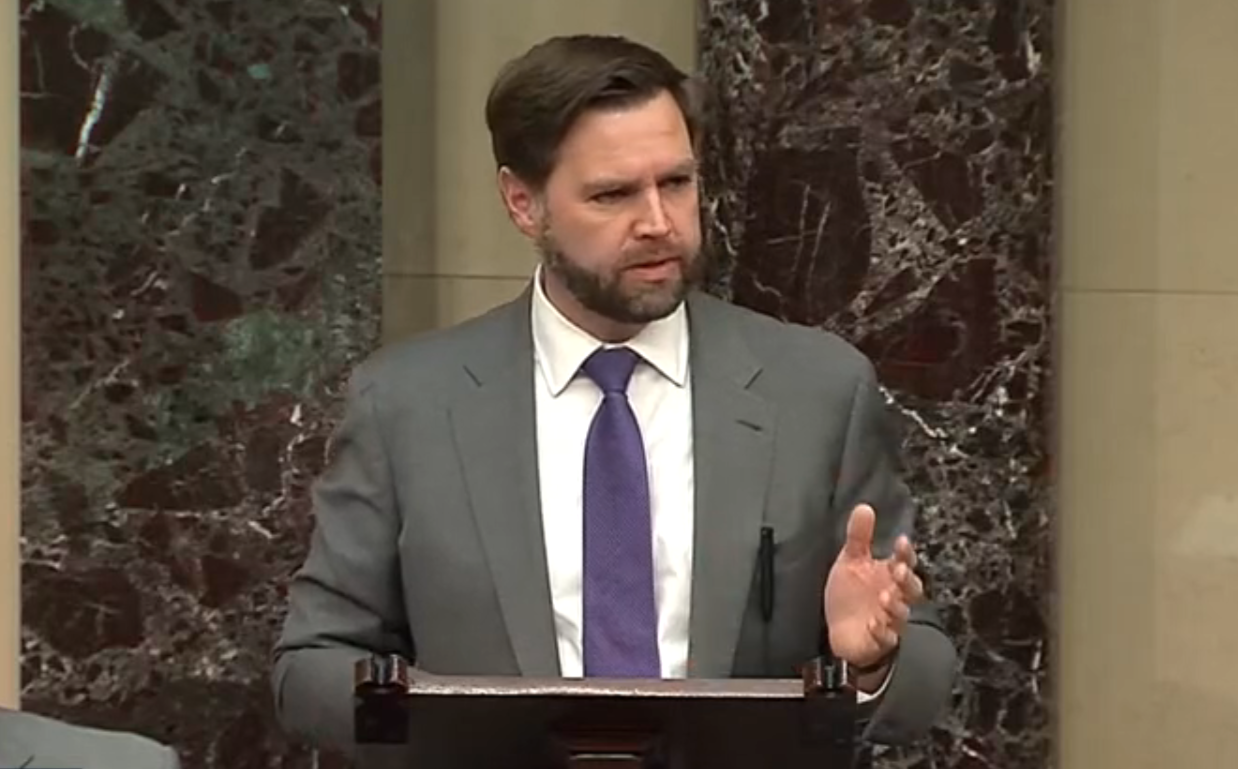
Vance appeared to soften the promise within about an hour, according to AP, by indicating the payments would not go to wealthy Americans. That was a notable change from Trump’s original formulation, which described the benefit as going to every adult citizen. The White House had not, as of Sunday, released legislative text spelling out eligibility, funding or payment timing.
What is confirmed is that the proposal is not yet law and has not been formally approved by Congress. House Speaker Mike Johnson said Sunday that the idea would need congressional action, according to AP, even after Trump later suggested to CBS News Texas that he did not believe lawmakers would need to authorize the payments.
That leaves major unanswered questions for households in every state, including who would qualify, whether income caps would apply, and whether the payments would go only to citizens or to a broader class of adult residents. Trump’s public remarks described adult U.S. citizens, while Vance’s comments suggested at least some means-testing could be added. No comprehensive bill text has been released.
For residents trying to determine whether they should expect a check, there is no confirmed payment schedule, no published eligibility table and no enacted funding source. AP also reported that Trump subsequently insisted the “$5,000’s going to happen,” but that statement did not resolve the legal hurdle identified by Johnson. At this stage, the plan remains a political promise rather than an operating federal program.
The timing is closely tied to the fall midterm elections. AP reported that Trump unveiled the proposal as Republicans try to improve their standing with voters and put affordability at the center of their message. The administration followed with a separate promise of $500 Obamacare rebate checks for an estimated 1 million Affordable Care Act enrollees in 30 states, another move AP described as part of a broader affordability push.
Budget and inflation concerns are a major part of the context. AP said the $5,000 plan would likely worsen the nation’s nearly $1.8 trillion annual budget deficit and add to worries about inflation. Those fiscal questions help explain why congressional leaders moved quickly to stress that legislation would be required and why Vance appeared to begin narrowing the proposal almost immediately.
For residents, the practical takeaway is limited but clear: nothing has been authorized, and no one can yet apply for or count on a $5,000 federal payment. Unless Congress drafts and passes a bill, and unless the White House provides specific eligibility rules, the proposal remains an election-season promise under active revision. Johnson said he would try to help make it happen, but as of September 13, the details and the path forward were still unresolved.