

Inflation is rising again, and for many households the reason feels painfully obvious every time they fill up the tank or open a utility bill. The latest data show why the public mood around prices remains far more anxious than a single headline number might suggest.
The May inflation report shows a clear energy problem

The latest Consumer Price Index report from the Bureau of Labor Statistics showed that overall consumer prices rose 4.2% in the 12 months through May 2026, a notable pickup from 3.8% in April. On a monthly basis, prices climbed 0.5% after a 0.6% increase the month before. That is a meaningful acceleration, especially after months in which inflation had appeared to be settling closer to a more manageable pace.
What stands out most is the role of energy. The BLS said the energy index rose 3.9% in May alone, following another 3.8% increase in April and a much larger 10.9% jump in March. Energy accounted for more than 60% of the total monthly increase in the all-items index, making it the dominant driver of the latest inflation burst. That kind of concentration matters because it tells us this was not a broad-based explosion across every category at the same intensity.
The annual figures make the point even more sharply. Over the past 12 months, the energy index surged 23.5%, while gasoline alone was up 40.5%. Electricity rose 5.9% over the year, and natural gas increased 3.0%. Those numbers help explain why inflation feels worse than some economists’ preferred underlying measures might imply: energy is one of the most visible and unavoidable household expenses, and large price spikes quickly shape consumer sentiment.
By contrast, core inflation was far calmer. The index for all items less food and energy rose 0.2% in May and 2.9% over the year. That gap between 4.2% headline inflation and 2.9% core inflation is the key to understanding the current moment. Underneath the surface, many categories are not spiraling out of control. But because energy is so central to commuting, heating, cooling, delivery costs, and day-to-day spending habits, it punches far above its weight in how Americans experience inflation.
Why energy inflation hits households harder than other price increases

Energy inflation is different from many other forms of inflation because people cannot easily opt out of it. A family might postpone buying a new television or switch from one brand of cereal to another, but driving to work, cooling a home in summer, or paying an electric bill are much harder to avoid. That gives fuel and utility prices an outsized psychological and financial impact.
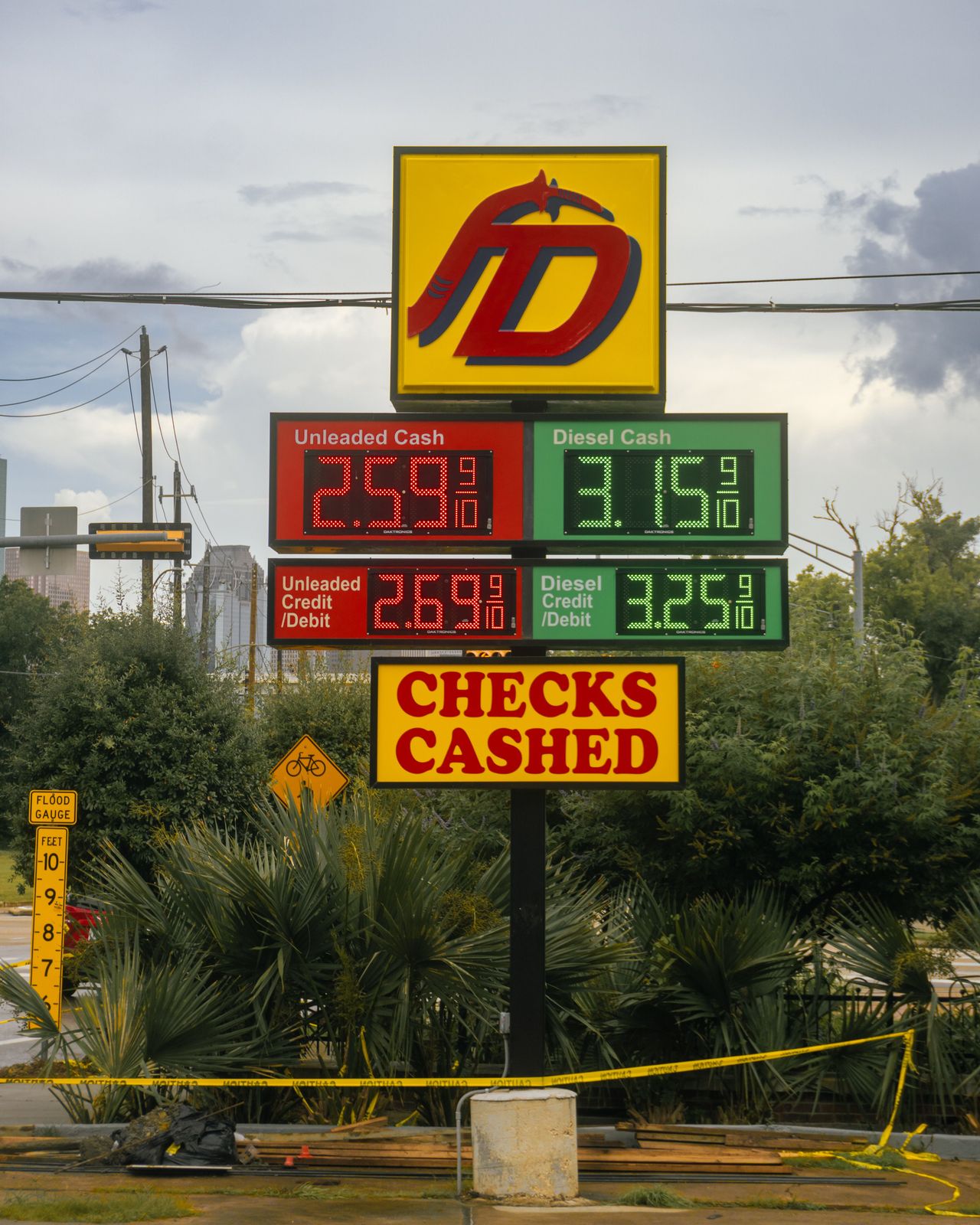
Gasoline is especially powerful because it is priced in public. Consumers may not know the exact month-to-month movement in medical services or insurance costs, but they see gas station signs every day. When prices rise quickly, it becomes a constant reminder that their budget is under pressure. A 40.5% annual jump in gasoline prices is not just a data point; it is a direct hit to commuters, delivery drivers, tradespeople, rideshare workers, and anyone living in areas where car travel is not optional.
The same dynamic shows up at home. Electricity prices rising 5.9% over the year may sound modest compared with gasoline, but utility bills are recurring and unavoidable. In warmer states, summer cooling costs can turn that increase into a serious strain. In lower-income households, energy costs take up a larger share of monthly spending, so even moderate increases can crowd out groceries, medicine, savings, or debt payments.
There is also an important ripple effect. Higher energy costs do not stay confined to the gas pump or the utility bill. They influence shipping, air travel, warehousing, and production costs across the economy. Even when businesses do not pass through every dollar immediately, energy inflation can seep into other categories over time. That is one reason central bankers and market analysts pay close attention when energy starts driving headline inflation higher for several months in a row.
For ordinary consumers, though, the distinction between direct and indirect effects hardly matters. What matters is that the same paycheck no longer stretches as far. Even if core inflation looks relatively contained, households still feel squeezed because energy costs are among the least flexible items in the budget. When those prices move sharply upward, the pain is immediate and difficult to offset.
The gap between headline inflation and lived inflation is getting wider

One of the most misunderstood features of inflation is that the official number is an average, not a personal reality. A 4.2% CPI reading captures broad price change across a large basket of goods and services, but households do not all buy the same basket. Someone who drives long distances, rents rather than owns, and lives in a region with high cooling costs may feel inflation far more intensely than someone with a shorter commute and lower household energy use.
That is why many Americans say inflation still feels severe even when analysts emphasize that core inflation is below 3%. Statistically, both statements can be true. If the categories rising fastest are the ones people purchase most often or cannot avoid, public frustration remains elevated. Energy is exactly that kind of category. It is visible, frequent, and deeply tied to everyday life.
The pattern in recent months reinforces the perception problem. In March, energy prices jumped 10.9% in a single month, the largest monthly increase since September 2005, according to BLS data. April brought another 3.8% increase, and May added 3.9%. When price shocks arrive in rapid succession, consumers do not experience them as isolated blips. They experience them as a continuing erosion of purchasing power.
There is also a timing issue. Even if energy prices stabilize later, households often absorb the damage before relief shows up. Credit card balances may rise, emergency savings may shrink, and discretionary spending may already have been cut. That lag helps explain why consumer confidence can remain weak even if future inflation reports begin to cool. People respond not only to where inflation is going, but to the financial damage already done.
This is the heart of today’s inflation story. The economy may not be facing an across-the-board inflation spiral of the sort seen at the peak of the post-pandemic surge. But the categories doing the most damage are the ones that shape public mood most strongly. That disconnect between macroeconomic interpretation and kitchen-table reality is why inflation remains such a potent political and economic issue.
What the May numbers mean for the Federal Reserve and the broader economy

For the Federal Reserve, the May report creates a more complicated policy picture. On one hand, the relatively subdued 0.2% monthly increase in core CPI suggests underlying inflation pressures outside food and energy are not exploding. On the other hand, a 4.2% headline reading and a 23.5% annual increase in energy prices are difficult to dismiss, especially if those costs begin feeding more persistently into services and goods across the economy.
Central bankers typically try to look through volatile energy moves when setting interest rates, because oil and gasoline prices can swing quickly for reasons monetary policy cannot directly control. But they also know consumers and businesses do not ignore headline inflation. If higher energy costs begin to influence wage demands, pricing decisions, or long-term inflation expectations, a temporary shock can become something stickier and more dangerous.
That is why the composition of the May report matters so much. Shelter still increased 0.3% in May, meaning the economy is not dealing with an energy-only story. Food also rose 0.2%, with food away from home continuing to put pressure on household budgets. At the same time, some categories including new vehicles and motor vehicle insurance showed signs of easing on a monthly basis, which complicates the broader inflation narrative.
For the wider economy, the biggest risk is that energy acts like a tax on consumers. Households forced to spend more on fuel and utilities usually spend less on restaurants, travel, apparel, home goods, and entertainment. That can weaken demand in large parts of the consumer economy, particularly if wage growth does not keep pace. Businesses then face a difficult balance: absorb higher operating costs, or pass them along to already strained customers.
Markets and policymakers will now be watching whether June brings confirmation or relief. The next CPI release is scheduled for July 14, 2026, and it will help determine whether May was another step in an energy-led inflation rebound or the crest of a shorter-term surge. Until then, the Fed is likely to stay cautious, because headline inflation moving back up is never something officials can comfortably wave away.
What Americans can expect if energy stays elevated

If energy prices remain high through the summer, the pressure on household budgets will likely intensify before it improves. Driving season typically keeps gasoline demand elevated, while hotter weather increases electricity usage in much of the country. That combination can make inflation feel harsher than the annual CPI figure alone suggests, especially for families already operating with little financial cushion.
The impact will not be evenly distributed. Rural households, outer-suburb commuters, and lower-income workers are generally more exposed to gasoline spikes because driving is often essential and alternatives are limited. Renters and homeowners in regions with extreme summer heat may also feel a disproportionate burden from electricity costs. For these groups, “inflation” is not an abstract economic term; it is a daily sequence of trade-offs.
Consumers may respond by cutting back in visible ways. Vacations get shortened, restaurant visits become less frequent, and nonessential purchases are delayed. Small businesses can feel that change quickly, particularly in sectors dependent on discretionary spending. If enough households retrench at once, an energy shock can cool parts of the economy even without a major deterioration in the labor market.
There is some reason not to overstate the danger. Core inflation at 2.9% suggests the underlying trend is still far below the worst period of the recent inflation era. If energy prices retreat, headline inflation could cool relatively quickly. But as of the May 2026 report, that relief has not arrived. The latest data instead show a fresh burst of price pressure concentrated in one of the most economically and politically sensitive categories in the CPI basket.
That is why Americans are still feeling inflation so acutely. The 4.2% figure is important, but the deeper story is about where the pressure is coming from. When energy drives the increase, the burden is immediate, visible, and hard to dodge. Until that changes, many households will continue to feel as though inflation is running hotter than the averages suggest.