

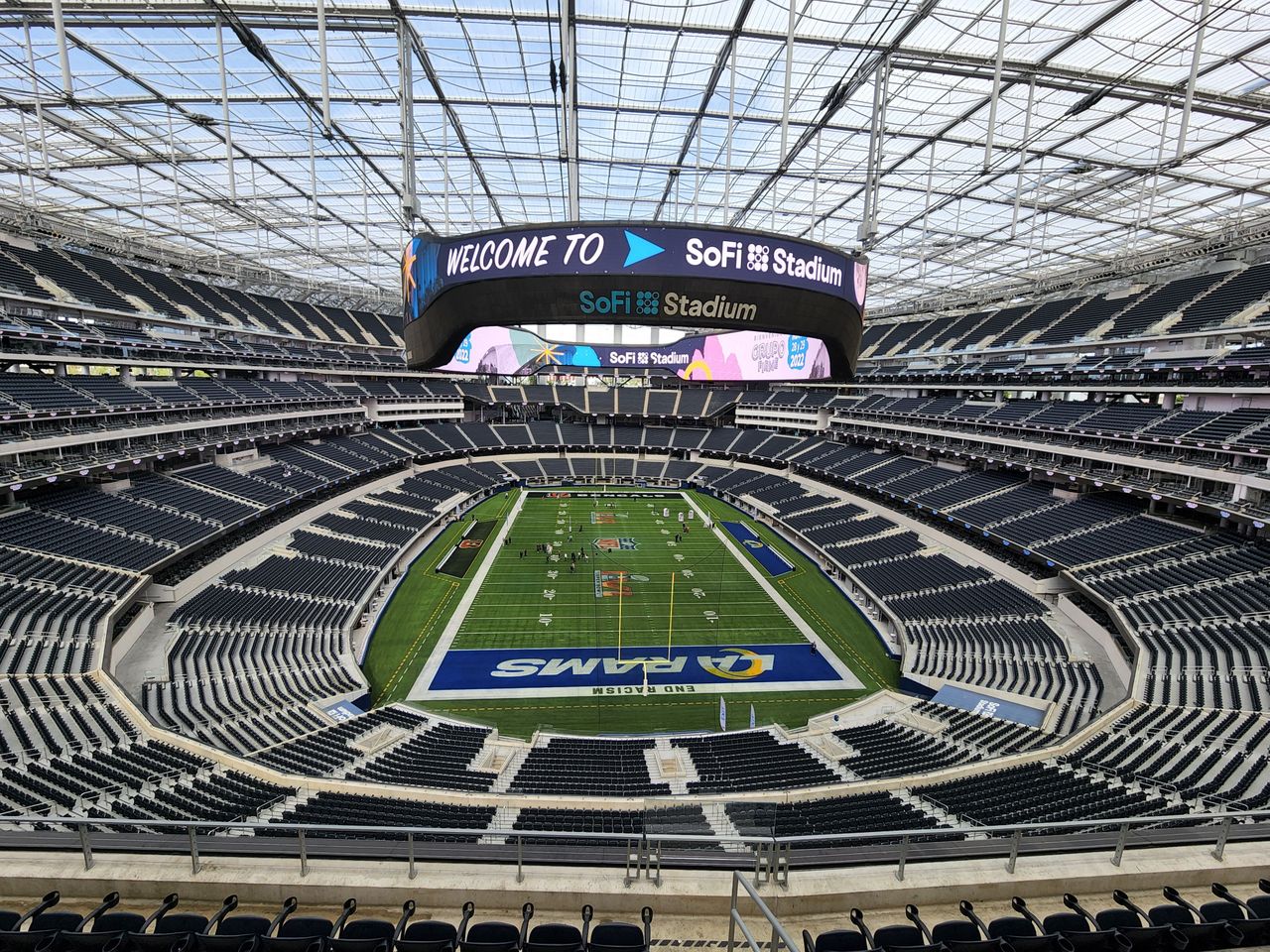
A 2-2 draw was supposed to be the beginning of Iran’s World Cup campaign. Instead, it became the latest sign that this tournament is unfolding under extraordinary political strain.
A departure overshadowed a World Cup opener
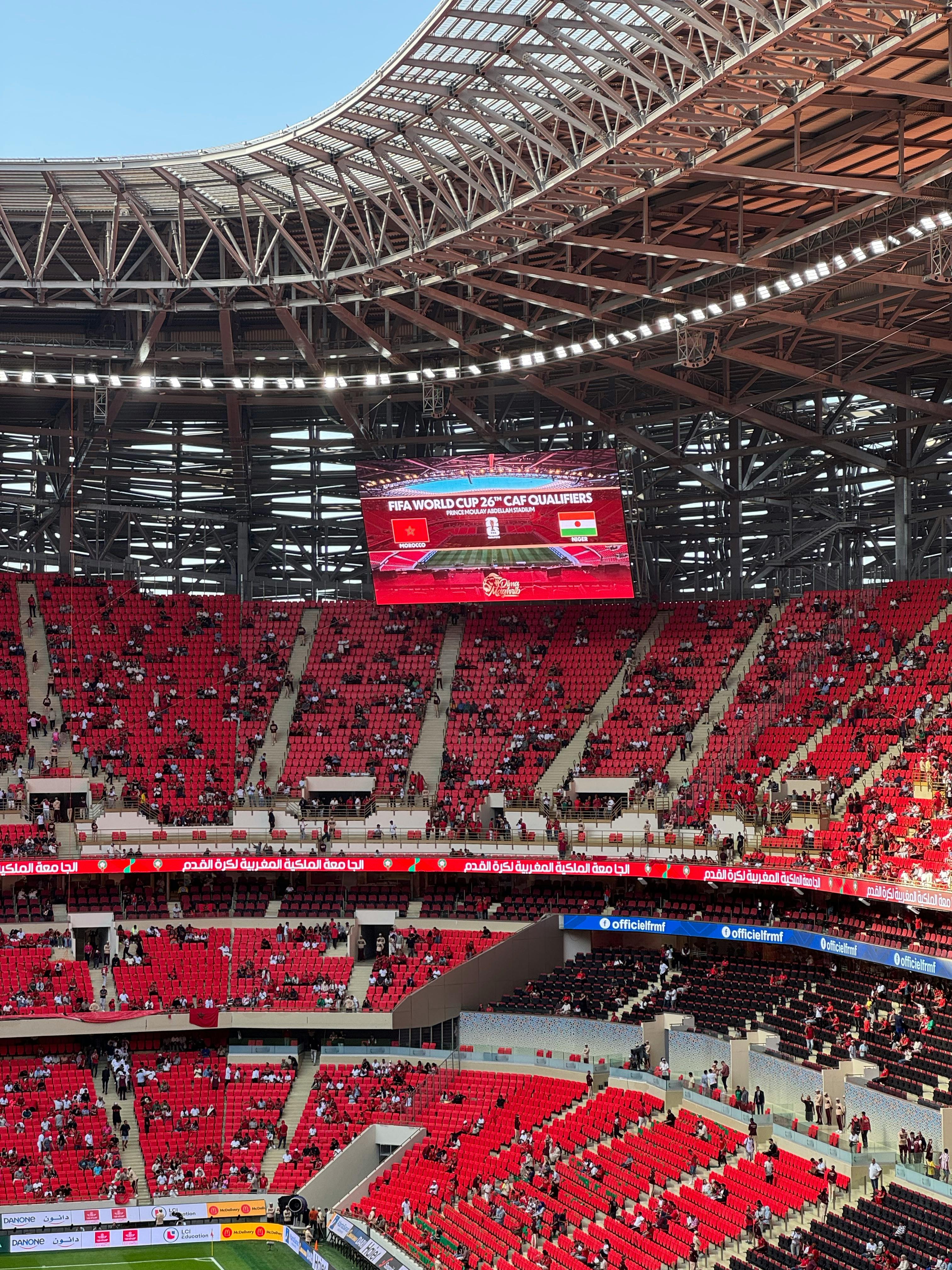
Iran opened its 2026 World Cup schedule on Monday, June 15, 2026, against New Zealand at SoFi Stadium in Inglewood, California. The match ended 2-2, a respectable if frustrating result for a team trying to steady itself in difficult circumstances. Yet the postgame discussion quickly shifted away from tactics, finishing and defensive shape.
According to the Associated Press and Reuters reporting carried by CBS News, Iran coach Amir Ghalenoei said the team was ordered to leave the United States only hours after the final whistle. He said the squad had expected to remain overnight in California before resuming its preparations. Instead, the players were told to board a flight back to their training base in Tijuana, Mexico.
That detail matters because post-match recovery is not a luxury at a World Cup. Teams typically plan carefully around sleep, treatment, meals and travel loads after an opener. By losing that overnight window, Iran felt it had been denied a routine part of elite tournament preparation.
Why was Iran based in Mexico in the first place
Iran’s unusual logistics did not begin after the New Zealand match. Before the tournament, the team had already relocated its training camp to Mexico rather than remain in the United States full-time. Reports from AP and Euronews said the shift came amid war-related tensions and visa complications affecting the delegation.
That arrangement left Iran functioning as a World Cup participant with one foot outside one of the host countries. Players were cleared for entry for matches, but several support staff and officials faced delays or were still awaiting permission close to the start of the tournament. In practical terms, that created a thinner operational margin than most teams would accept.
A national team’s performance depends on more than the starting XI. Analysts, medical personnel, logistics staff and federation officials all contribute to recovery and preparation. When some of those figures are missing or movement is restricted, small disadvantages can compound across a short tournament.
The U.S. response and the dispute over expectations
After Ghalenoei’s complaint, a U.S. official pushed back on the suggestion that Iran had been unexpectedly forced out. AP reported that American officials said Iran knew in advance it would have to leave shortly after the match. That response transformed the episode from a complaint about treatment into a dispute over what had actually been communicated.
The explanation was tied to U.S. entry restrictions and security screening. Reporting cited comments from Andrew Giuliani, head of the White House task force for the 2026 World Cup, who said the administration’s position was that individuals with direct ties to Iran’s Islamic Revolutionary Guard Corps would not be admitted. That statement gave the story a sharper political edge.
Even if the travel plan had been signaled earlier, the perception gap is significant. Iran’s camp clearly believed it would receive a more standard recovery window in California. U.S. officials, by contrast, framed the departure as consistent with preexisting conditions rather than a sudden change.
How the political climate shaped the team’s experience
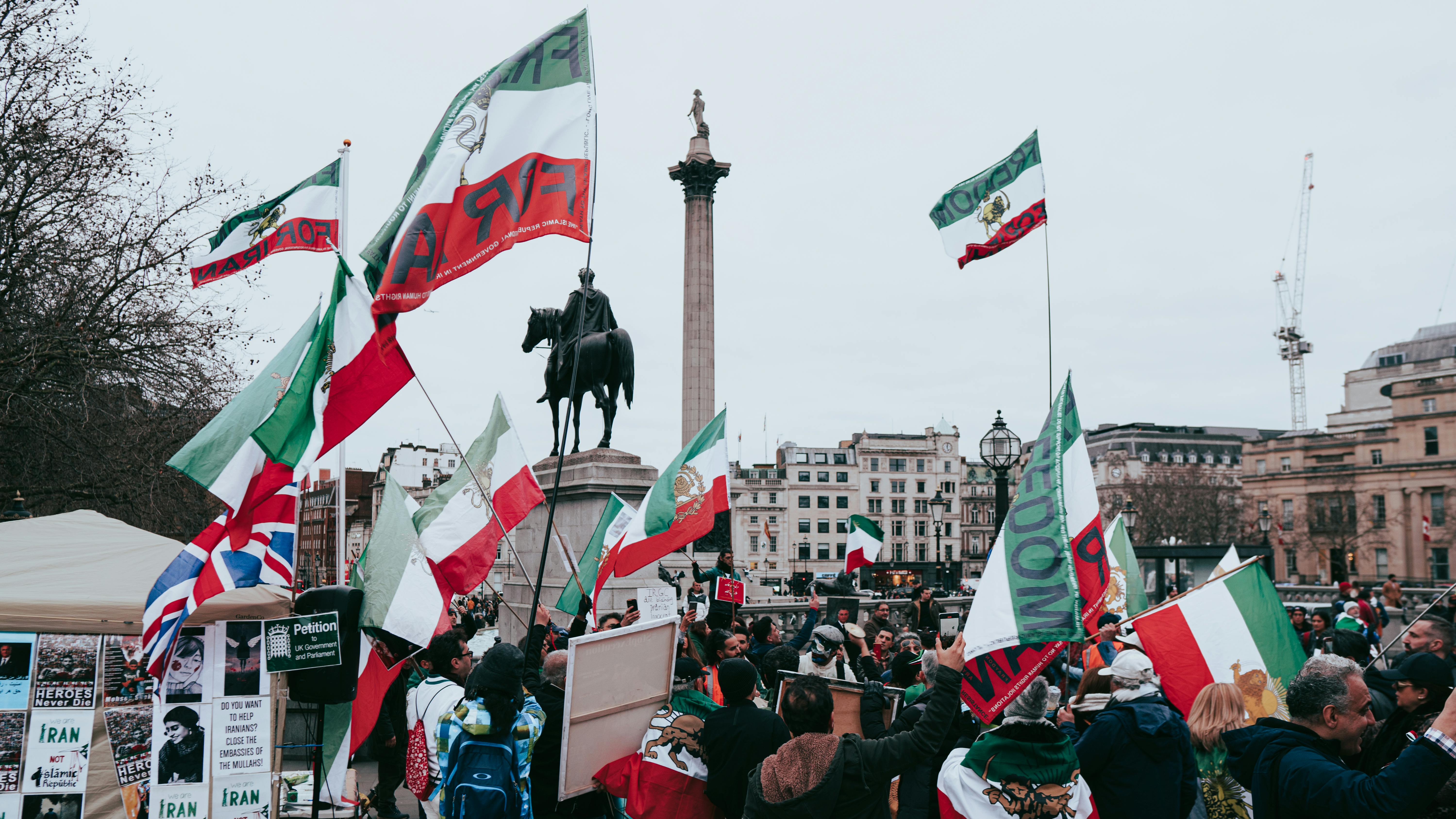
This was never going to be a normal tournament for Iran. AP reported before the opener that captain Mehdi Taremi described the team’s World Cup experience as deeply challenging amid the broader conflict involving the United States. His assessment reflected a squad carrying the emotional weight of events far beyond football.
The war backdrop has altered everything from camp planning to public reception. In Los Angeles, home to one of the largest Iranian diaspora communities in the world, Reuters reported that protests were expected around the match, with feelings divided among fans balancing pride in the team, anger at Tehran and anxiety over U.S. military action.
That made the opener politically charged before a ball was kicked. Once the team’s immediate return to Mexico became public, the episode reinforced a sense that Iran was participating in the tournament under exceptional constraints. In elite sport, environment matters, and Iran’s environment has been anything but stable.
What the early exit means for Iran on the field
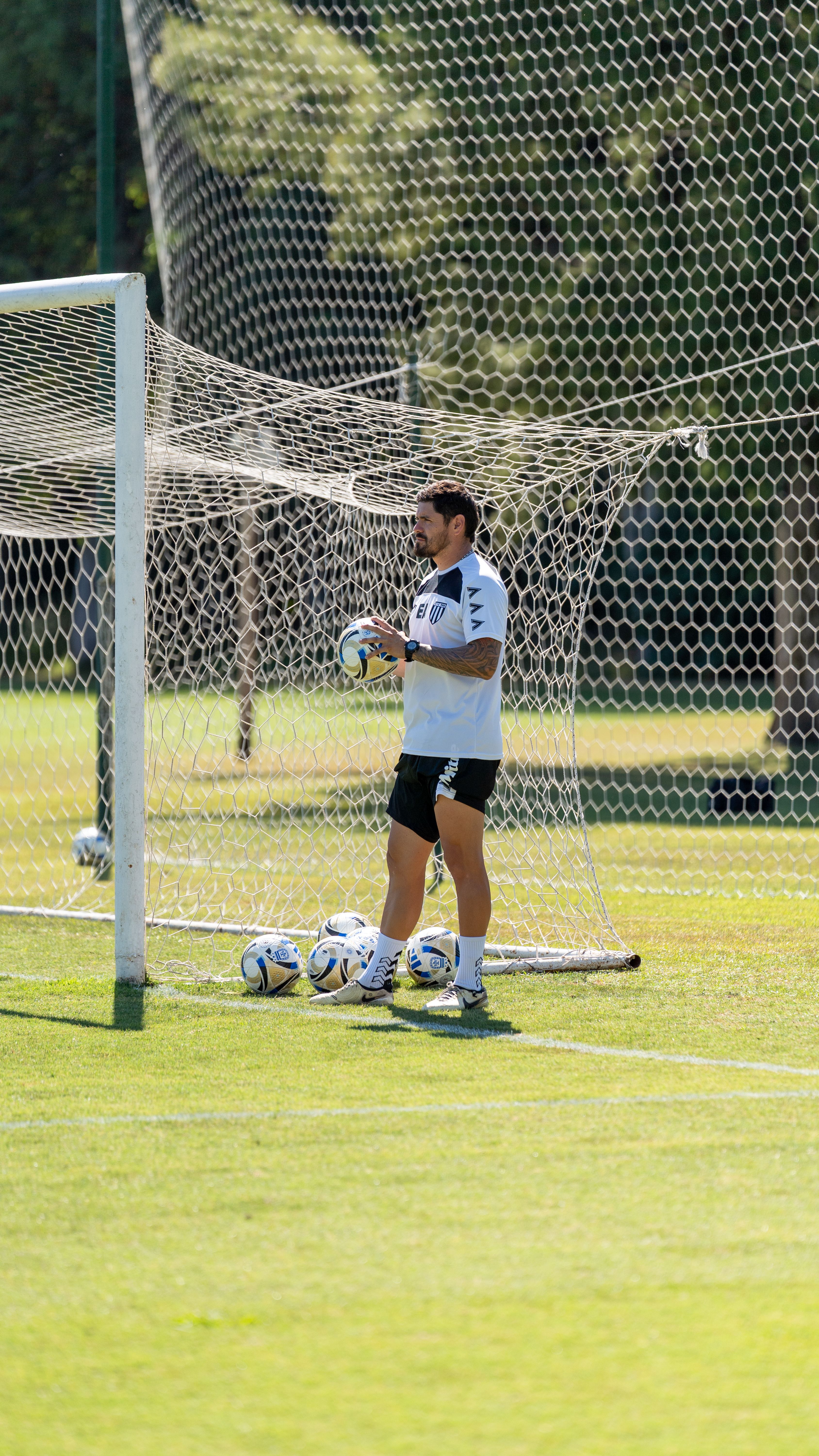
From a football perspective, the disruption is not trivial. Recovery after a high-intensity group-stage match is a structured process involving cooldown work, treatment, hydration, sleep and tactical review. When travel is inserted into those hours, performance staff lose control over critical variables that influence the next training cycle.
Ghalenoei argued that the forced return made an already difficult situation harder. That concern is easy to understand. World Cups are decided by narrow margins, and even modest inefficiencies can shape player freshness by the time the next match arrives.
Iran’s upcoming fixtures make that especially relevant. Reports ahead of the tournament listed Belgium and Egypt among the team’s remaining Group G opponents, a demanding schedule that leaves little room for compromised preparation. If Iran advances, resilience will be as important as technical quality. If it falls short, this opener may be remembered as the moment when off-field burdens became impossible to separate from results.
A bigger test for FIFA and the tournament itself
The episode also raises uncomfortable questions for FIFA. A World Cup hosted across multiple countries already presents complex border, visa and security issues. But the governing body also promises a level playing field, and Iran’s complaints suggest that standard tournament conditions have not been applied evenly.
Taremi said after the opener that FIFA should do more to help. That was not simply frustration after a draw. It was a direct challenge to the organizer’s ability to protect the sporting integrity of the competition when geopolitical realities intrude.
For the wider audience, Iran’s abrupt postgame departure is a reminder that global tournaments do not exist outside politics. The 2026 World Cup was designed as a celebration of scale and cross-border cooperation. Instead, in one of its earliest flashpoints, it exposed how quickly international sport can become entangled with diplomacy, security policy and war.