

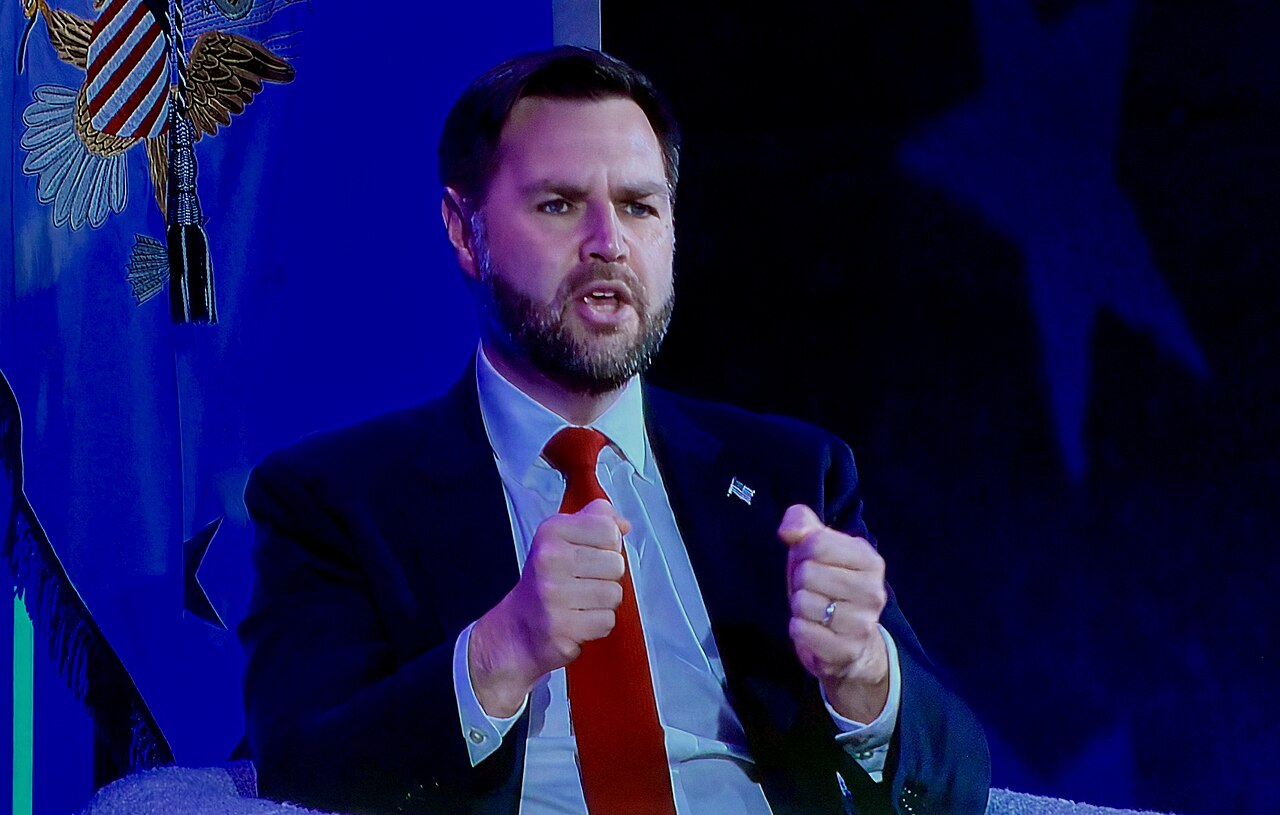
As U.S.-Iran diplomacy moved into a new phase in late June, the Trump administration paired direct negotiations with public warnings about future military action. That approach came into focus on June 21, when Vice President JD Vance headed to Switzerland for talks tied to the ceasefire, oil shipping and the future of the Strait of Hormuz.
Vance opens talks in Switzerland as ceasefire negotiations begin
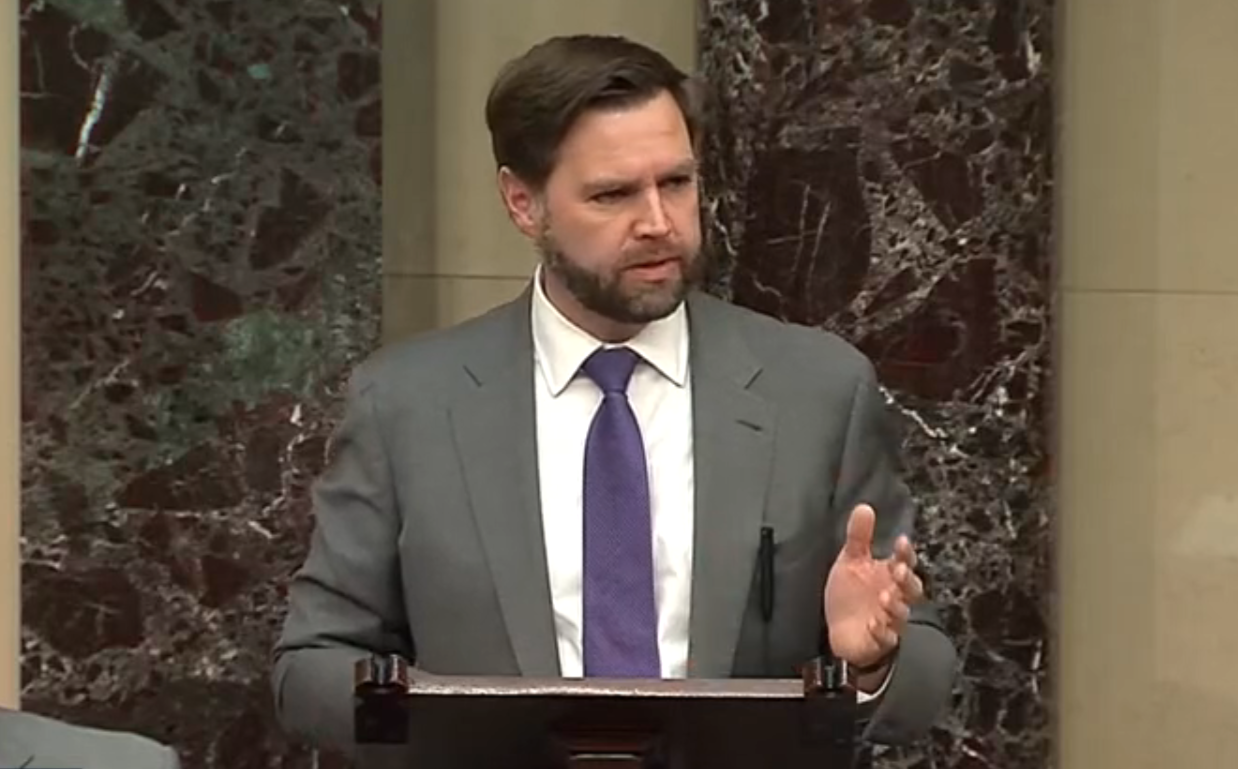
Vice President JD Vance arrived in Switzerland on June 21 for talks with Iranian officials aimed at advancing a broader agreement after the recent U.S.-Iran ceasefire, according to Reuters and the Associated Press. The meetings were centered at the Bürgenstock resort near Lucerne, where U.S. and Iranian representatives were expected to discuss implementation of a 60-day negotiating framework and steps tied to maritime security in the Strait of Hormuz.
Reuters reported earlier in the week that Switzerland had confirmed initial U.S.-Iran talks were planned after the ceasefire agreement was signed. Vance had previously indicated that the 60-day period under the memorandum of understanding would begin on June 18, framing the Switzerland meetings as part of a defined diplomatic timetable rather than an open-ended summit. That structure matters because the talks are not limited to military de-escalation; they also cover shipping access, sanctions-related arrangements and the next stage of nuclear negotiations.
The immediate backdrop was a dispute over the status of the Strait of Hormuz, the narrow waterway that handles a significant share of global oil and gas traffic. Reuters dispatches carried by financial news platforms said Vance and other U.S. officials were pressing the position that the route should remain open without tolls during the ceasefire period. AP also reported that U.S. officials described efforts to build mechanisms to keep the strait open while preserving the truce.
Switzerland hosts the talks, but the direct local effects remain limited

For Switzerland, the confirmed local impact is diplomatic and logistical rather than economic at the consumer level. Swiss authorities were hosting the negotiations at Bürgenstock, a high-security resort venue above Lake Lucerne, continuing the country’s long-standing role as a site for sensitive international talks, according to Reuters and AP reporting cited by public radio and other outlets.
What is not yet known is whether Switzerland will host additional rounds beyond the June 21 meetings or whether any formal signing ceremony will remain there if the parties reach a more durable accord. Public reporting has not identified a full calendar of future sessions, and officials had not released a comprehensive list of all participating delegations or technical working groups as of Monday, June 22. Some reports said Pakistan and Qatar were also involved in related discussions, but the exact format varied across outlets.
The talks nonetheless place Switzerland at the center of a fast-moving diplomatic effort with global economic implications. Because the Strait of Hormuz is a critical route for seaborne energy exports, any progress or breakdown in the Swiss-hosted meetings can quickly affect oil markets and shipping decisions well beyond Europe. For local residents, the most visible effects are likely tighter security, restricted access around the venue and heightened international media presence rather than direct policy changes at home.
Trump’s warnings show the pressure shaping the negotiations
The reason these talks matter is the combination of a fragile ceasefire, unresolved nuclear issues and the strategic importance of the Strait of Hormuz. Reuters reported that the broader agreement created a 60-day window to negotiate a permanent arrangement on Iran’s nuclear program while also restoring oil traffic through the waterway. That means the Switzerland meetings are both a peace follow-up and a test of whether the ceasefire can survive disputes over enforcement.
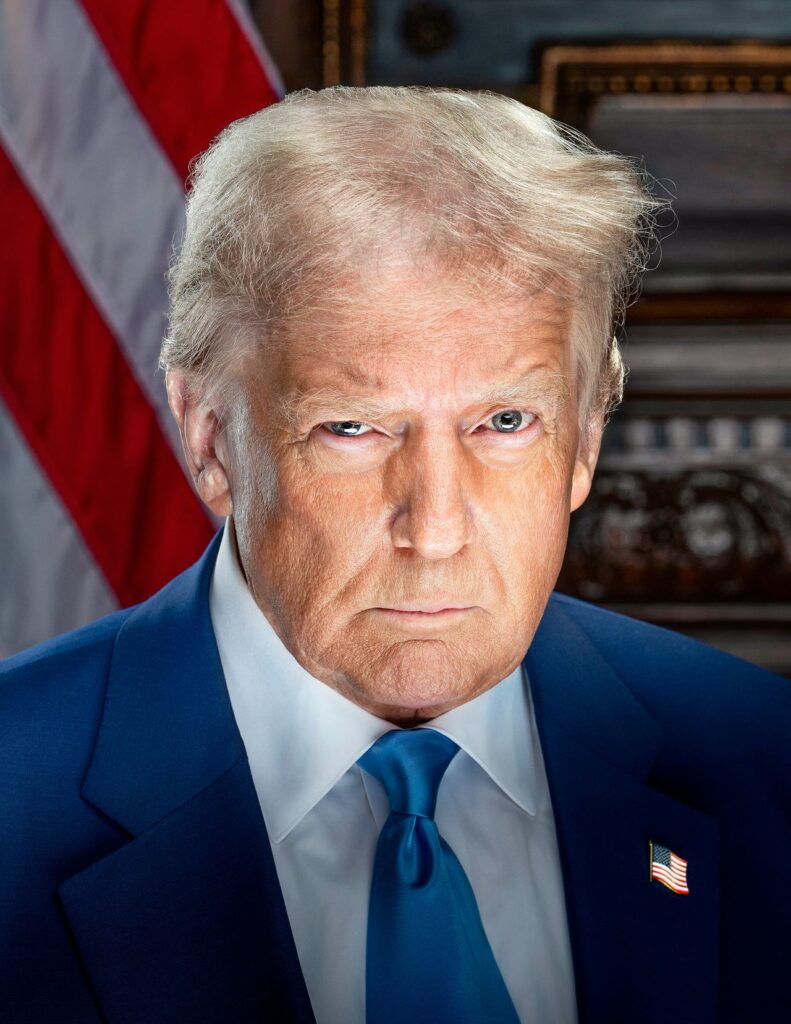
At the same time, President Donald Trump publicly warned that the United States could strike Iran again if Tehran or its regional allies escalated, according to Reuters, AP and Axios reporting from the weekend. Reuters also reported Trump’s position that no toll should be charged for passage through the strait during the ceasefire, while leaving open the possibility of a U.S.-imposed toll if talks collapse. Those statements underscored the administration’s dual-track strategy of negotiation backed by explicit pressure.
For readers watching what comes next, the practical takeaway is that the Switzerland talks are an early step, not a final settlement. No final deal text had been publicly released by the end of June 22, and officials were still describing the process as ongoing. The immediate benchmark is whether U.S. and Iranian negotiators can keep the ceasefire intact and maintain commercial movement through the Strait of Hormuz during the 60-day window.