

Public access to civic spaces around the White House has tightened repeatedly over the past decade as federal officials weigh security needs against historic openness. In Washington, that debate is now centered on Lafayette Square, the park directly north of the White House that has remained closed for nearly eight months. A federal planning review this week moved forward a proposal for permanent perimeter fencing, raising the possibility that the square may not fully reopen in the way visitors and demonstrators have long known it.
Federal officials are advancing a fencing plan after months of closure
Lafayette Square has been closed since January 19, 2026, when the National Park Service put in place a temporary, partial closure for what it described as a major restoration project tied to the nation’s 250th anniversary. In a Record of Determination, the agency said the work was scheduled to continue through May 31 and included irrigation lines, historic fountain repairs, new pumping systems, tree replacement, bench replacement and turf work. The closure was requested concurrently by the U.S. Secret Service in a January 16 letter, according to the Park Service.
That timeline has long since passed. The Washington Post reported on September 3 that Lafayette Square has been closed to the public for nearly eight months, even though renovation work was completed weeks ago, citing two people familiar with the project. On the same day, Trump administration officials publicly presented updated plans to permanently fence the park, according to the Post.
The proposal has already been under federal design review. The U.S. Commission of Fine Arts confirmed that it reviewed a concept for permanent perimeter security fencing on July 16 and did not take final action, instead requesting further development of the design. The Associated Press previously reported that the administration’s proposal covers the full 8-acre park and includes larger gates at major entrances.
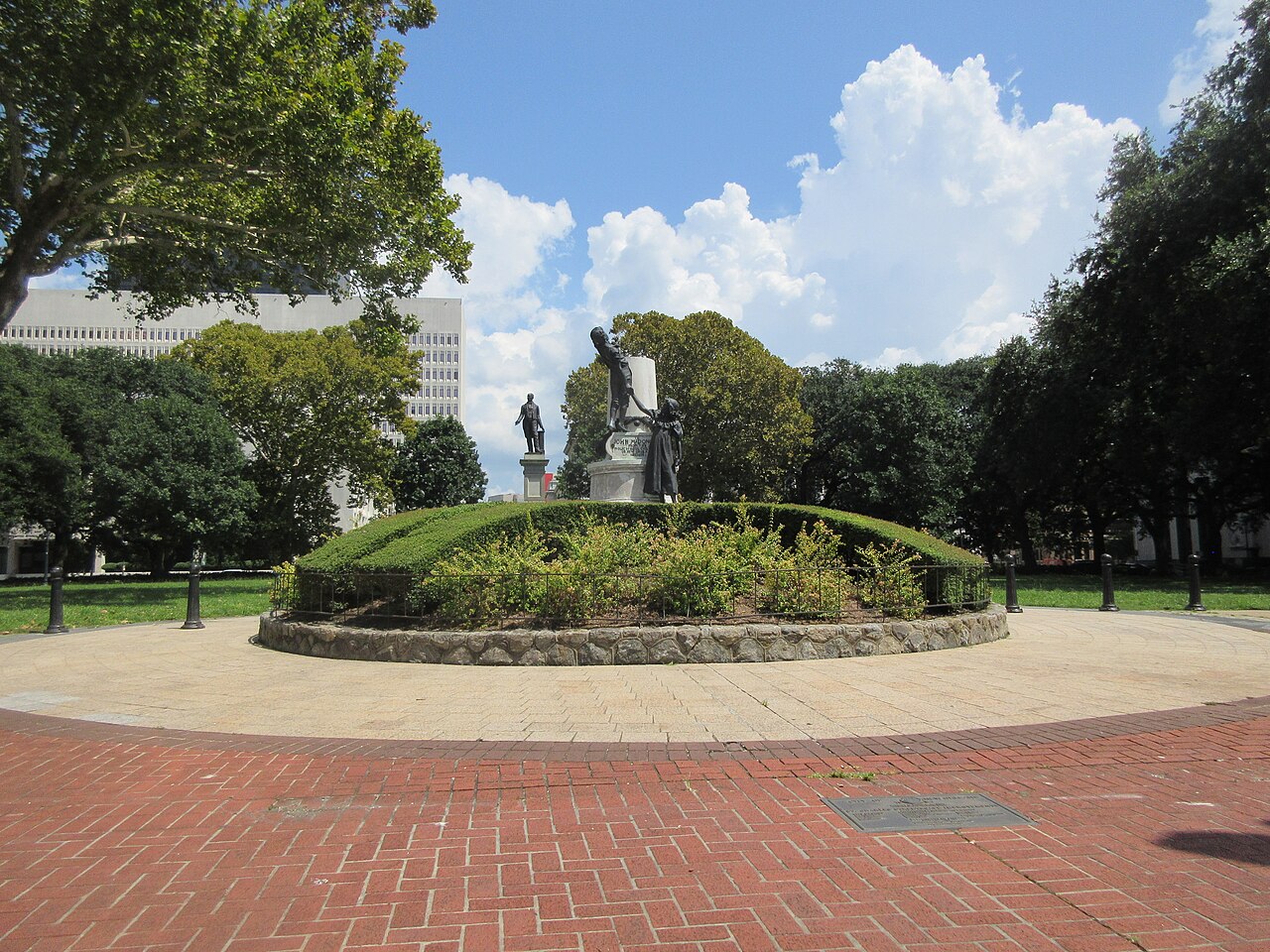
For Washington residents, workers and visitors, Lafayette Square is more than a landscaped park. It sits between Pennsylvania Avenue and H Street NW, faces the White House, and has long functioned as a gathering place for sightseeing, daily pedestrian traffic and First Amendment demonstrations. The park is also part of the larger President’s Park area surrounding the White House.
What is confirmed is that the square remains inaccessible well beyond the end date listed in the Park Service closure order. What is not yet known is whether there will be a full reopening before any permanent fence is installed, or what public access rules would govern the site if the fencing plan is approved. Federal agencies have not released a detailed reopening schedule.
The debate is also unusually local because Lafayette Square’s role in Washington civic life is distinct. At the July review meeting, according to the Commission of Fine Arts, commissioners specifically noted the park’s historic role as a site for First Amendment activity and said it should remain as open as possible while also being kept safe. Public concerns aired in federal reviews have included whether fencing could limit emergency exits or change how protests are managed in the space.
Federal officials have tied the fencing plan to broader White House security concerns. The Secret Service said in documents quoted by The Washington Post that projects such as the proposed Lafayette Park fence and a permanent visitor screening facility are intended to enhance security while maintaining public access. A White House spokesperson told the paper that the administration is trying to move the White House complex toward what it called a “21st century security posture.”
Those arguments build on longer-running concerns. According to the Post, administration officials have cited the unrest in Lafayette Square after the May 2020 death of George Floyd as evidence of vulnerabilities near the White House. The Associated Press also reported in July that the administration was pursuing the proposal at a time of heightened concern for presidential security, alongside plans for a 33,000-square-foot underground visitor screening facility.
For residents and visitors, the practical takeaway is that Lafayette Square is still closed as of early September 2026, and the federal review process is now focused not just on restoration but on the park’s long-term perimeter and access rules. The Commission of Fine Arts has asked for a revised design, and the National Capital Planning Commission held a meeting on September 3 as the project advanced. No agency has publicly confirmed a date for the square to reopen without new restrictions.