

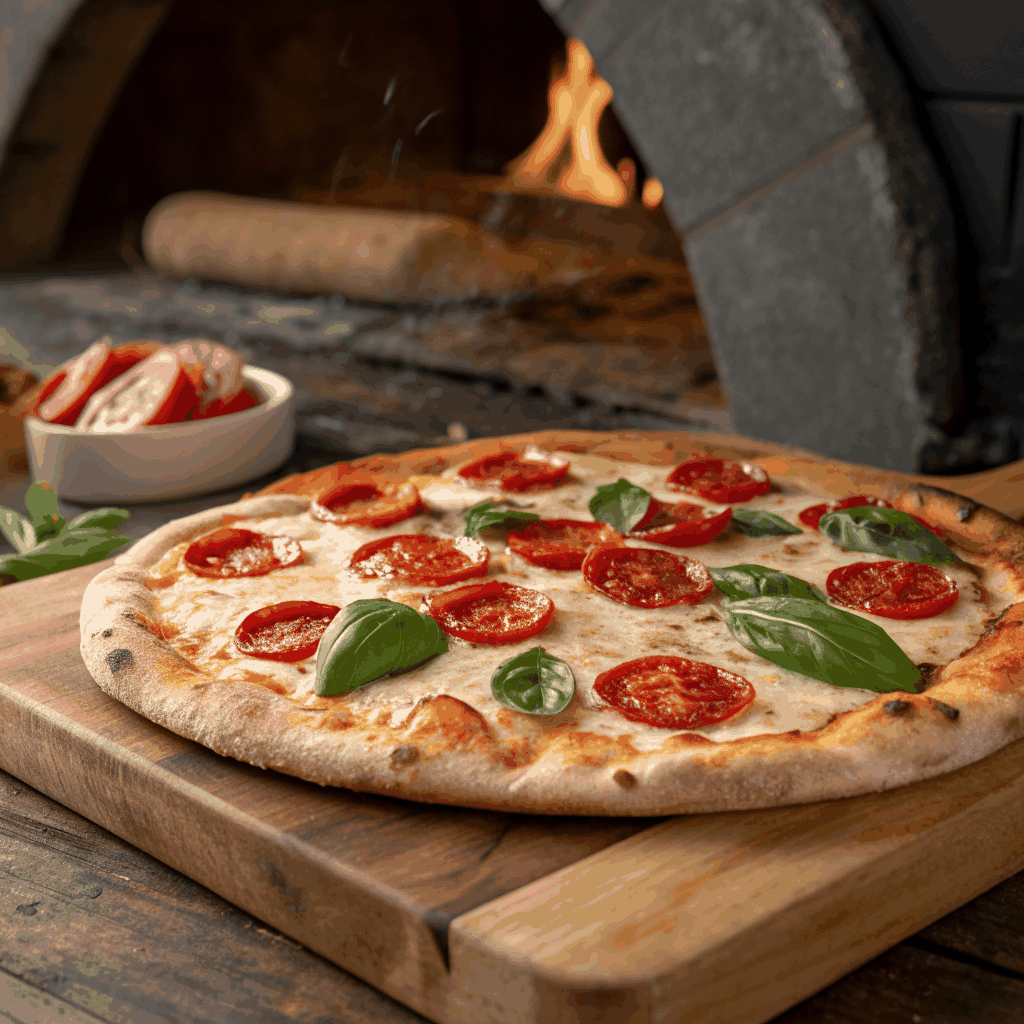
A great pizza starts with a great crust. While take‑out places can be convenient, nothing beats the satisfaction of pulling a golden, fragrant pie from your own oven. Follow this step‑by‑step guide to master the perfect homemade pizza dough, and then top it with any of SAVOR’s signature sauces for a truly unforgettable meal.
Essential Ingredients
- 500 g (about 4 cups) bread flour – high protein for chew.
- 325 ml (1 ⅓ cups) warm water (105‑110°F/40‑43°C) – encourages yeast activity.
- 10 g (2 tsp) instant yeast.
- 10 g (2 tsp) fine sea salt.
- 15 ml (1 tbsp) extra‑virgin olive oil – adds flavor and tenderness.
- Optional: 5 g (½ tsp) sugar – feeds the yeast for a slightly softer crumb.
Equipment Checklist
- Large mixing bowl or stand‑mixer with dough hook.
- Digital kitchen scale – for precise measurements.
- Plastic wrap or a damp kitchen towel.
- Baking stone or heavy baking sheet.
- Pizza peel (or the back of a baking sheet) for transferring.
Step‑by‑Step Instructions
1. Activate the Yeast
Combine warm water, instant yeast, and optional sugar in a small bowl. Stir gently and let sit for 5‑7 minutes until a light foam forms. This indicates the yeast is alive and ready.
2. Mix Dry Ingredients
In a large bowl, whisk together the bread flour and sea salt. Ensure the salt is evenly distributed to avoid direct contact with the yeast later.
3. Form the Dough
Make a well in the center of the flour mixture. Pour the foamy yeast mixture and olive oil into the well. Using a wooden spoon or the mixer’s dough hook, combine until a shaggy dough forms.
4. Knead for Structure
Turn the dough onto a lightly floured surface and knead for 8‑10 minutes, or use a stand‑mixer on low speed for 6‑7 minutes. The dough should become smooth, elastic, and slightly tacky—not sticky.
5. First Rise (Bulk Fermentation)
Shape the dough into a ball, coat it lightly with olive oil, and place it back in the bowl. Cover with plastic wrap or a damp towel. Let it rise in a warm, draft‑free area for 1‑1.5 hours, or until doubled in size.
6. Cold Fermentation (Optional but Recommended)
For deeper flavor, gently deflate the risen dough, divide it into two equal portions (for 12‑inch pizzas), shape each into a tight ball, and place into lightly oiled containers. Refrigerate for 12‑24 hours. This slow fermentation develops a subtle, nutty taste.
7. Prepare the Oven
Place a pizza stone on the middle rack and preheat the oven to its highest setting (500‑550°F / 260‑290°C) for at least 45 minutes. If you don’t have a stone, invert a heavy baking sheet.
8. Shape the Pizza Base
Allow the dough to come to room temperature (about 30 minutes). On a lightly floured surface, gently press the ball starting from the center, pushing outward to form a 12‑inch circle. Stretch the dough by rotating it and gripping the edge, allowing gravity to help achieve a thin center with a slightly thicker rim.
9. Add SAVOR’s Signature Sauce
Spread a thin layer (about 2 tbsp) of your chosen SAVOR sauce – Garlic‑Herb Marinade (if you enjoy a savory base), Smokey Chipotle Tomato Sauce for a bold kick, or Spicy Mango Vinaigrette for a sweet‑spicy twist.
10. Top It Off
Keep toppings light to avoid soggy crust. Classic combinations include:
- Fresh mozzarella, sliced tomatoes, basil leaves.
- Pepperoni, caramelized onions, a sprinkle of oregano.
- Grilled chicken, roasted red peppers, arugula, and a drizzle of lemon‑olive oil.
11. Bake the Pizza
Slide the prepared pizza onto the hot stone using your peel. Bake for 10‑12 minutes, or until the crust is golden and the cheese bubbles. Rotate halfway through for even browning.
12. Rest and Serve
Remove the pizza, let it rest for 2‑3 minutes (this helps the cheese set), then slice with a pizza cutter. Finish with a final drizzle of olive oil or a pinch of flaky sea salt for extra flavor.
Common Troubleshooting Questions
- My crust is tough: Over‑kneading or using too much flour can develop excess gluten. Ensure the dough feels elastic, not dense.
- Pizza is soggy: Use less sauce, pre‑bake the crust for 2‑3 minutes (blind bake), and keep toppings dry.
- Crust doesn’t puff: The oven may not be hot enough. A preheated stone or steel is essential for a rapid rise.
Variations to Try
- Whole‑wheat dough: Substitute 25 % of the bread flour with whole‑wheat flour for added fiber.
- Gluten‑free version: Use a blend of rice flour, tapioca starch, and xanthan gum, following a similar hydration ratio.
- Herb‑infused dough: Incorporate minced rosemary or thyme into the dough for aromatic crust.
Conclusion
With this guide, you have all the tools to create a pizza crust that rivals your favorite pizzeria. Pair it with one of SAVOR’s signature sauces, add your favorite toppings, and enjoy a homemade slice that’s both authentic and unforgettable.
Share your pizza creations on Instagram with #SAVORPizza and let us see how you make the perfect crust your way!