

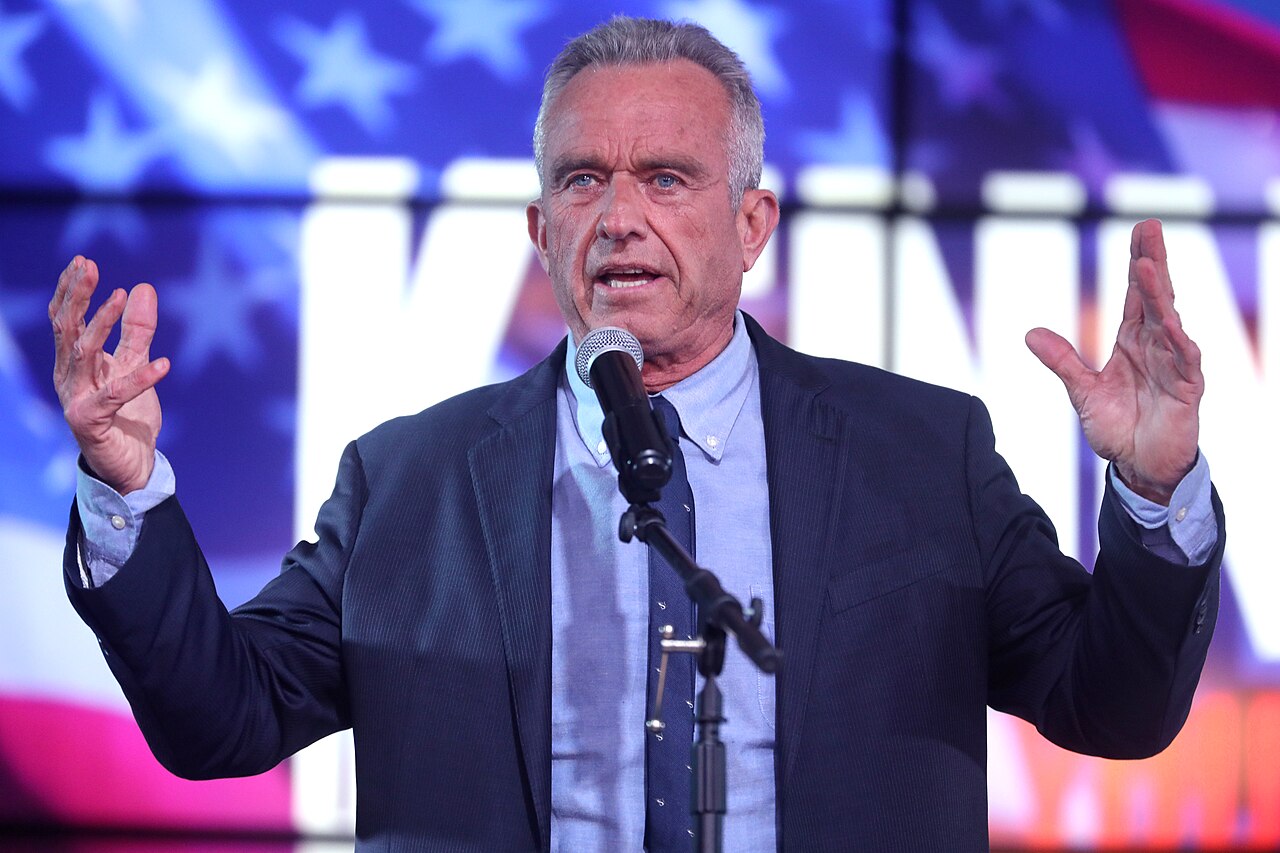
The Trump administration has made fraud enforcement in federal health programs a central part of its healthcare oversight this year. That campaign reached two state governments on July 21, when Health and Human Services Secretary Robert F. Kennedy Jr. announced that California and Minnesota would not receive more than $1 billion in Medicaid payments pending further review. The action immediately put two large state healthcare systems under added federal scrutiny.
HHS deferred more than $1 billion in Medicaid payments
The U.S. Department of Health and Human Services said on July 21 that the Centers for Medicare & Medicaid Services deferred more than $1 billion in federal Medicaid payments to California and Minnesota while the states submit more documentation for what the agency described as high-risk claims. According to the HHS announcement, the total includes about $867.5 million for California and $199 million for Minnesota.
Kennedy said at a press briefing that the payments were being paused because of suspected fraud and noncompliance, and he stated that the money would remain deferred until the states support the claims with adequate records. Reuters and other national outlets reported the administration framed the action as part of a wider crackdown on fraud, waste and abuse in federally funded healthcare programs.
CMS said its reviews found recurring claims in categories that federal officials believe require added scrutiny before matching funds are released. HHS also announced an expansion of exclusion authority for CMS and the department’s Office of Inspector General, a step Kennedy said would allow the federal government to remove bad actors from healthcare programs more aggressively.
The deferred payments affect two states with large Medicaid systems, but federal officials have not publicly released a full claim-by-claim breakdown of every service category involved. HHS said California’s deferred amount is tied to claims that still require support, while Minnesota’s deferred amount is subject to the same documentation review. The agency did not publish a comprehensive list of providers, facilities or local programs directly affected.
In California, the size of the deferral is substantially larger, reflecting both the scale of the state’s Medicaid program and the specific claims under federal review. Reporting from The Washington Post and Healthcare Dive noted that California officials have previously said federal regulators had not yet provided specific examples of fraud, waste or abuse behind earlier deferrals. Minnesota officials have likewise disputed the administration’s characterization in prior funding disputes.
What remains unclear is how quickly either state can satisfy federal reviewers and whether the deferred payments overlap with earlier Medicaid funding actions this year. As of this week, HHS has confirmed only the dollar amounts being withheld pending review and the requirement that both states provide additional documentation before the funds can be released.
HHS said the reason for the payment deferrals is a focused financial review of claims that officials consider high risk under federal Medicaid rules. In its statement, the department said states receiving federal Medicaid money must demonstrate that each claimed dollar meets federal requirements before matching funds are issued. That explanation places the action within the administration’s broader effort to tighten oversight of large public health programs.
The move also fits a pattern of increasing federal scrutiny of Democratic-led states over healthcare and social-service spending. Reuters reported that Kennedy and CMS Administrator Mehmet Oz presented the payment pause as an enforcement step, not a permanent cancellation, and said the money could be released if the states provide documentation showing the claims are legitimate.
For residents, the practical takeaway is that the federal government has deferred payments, not eliminated the Medicaid programs themselves. Neither HHS nor the two states has published a final timetable for resolving the review. The next confirmed step is a documentation process between CMS and state officials, which will determine whether the deferred funds are eventually released.