

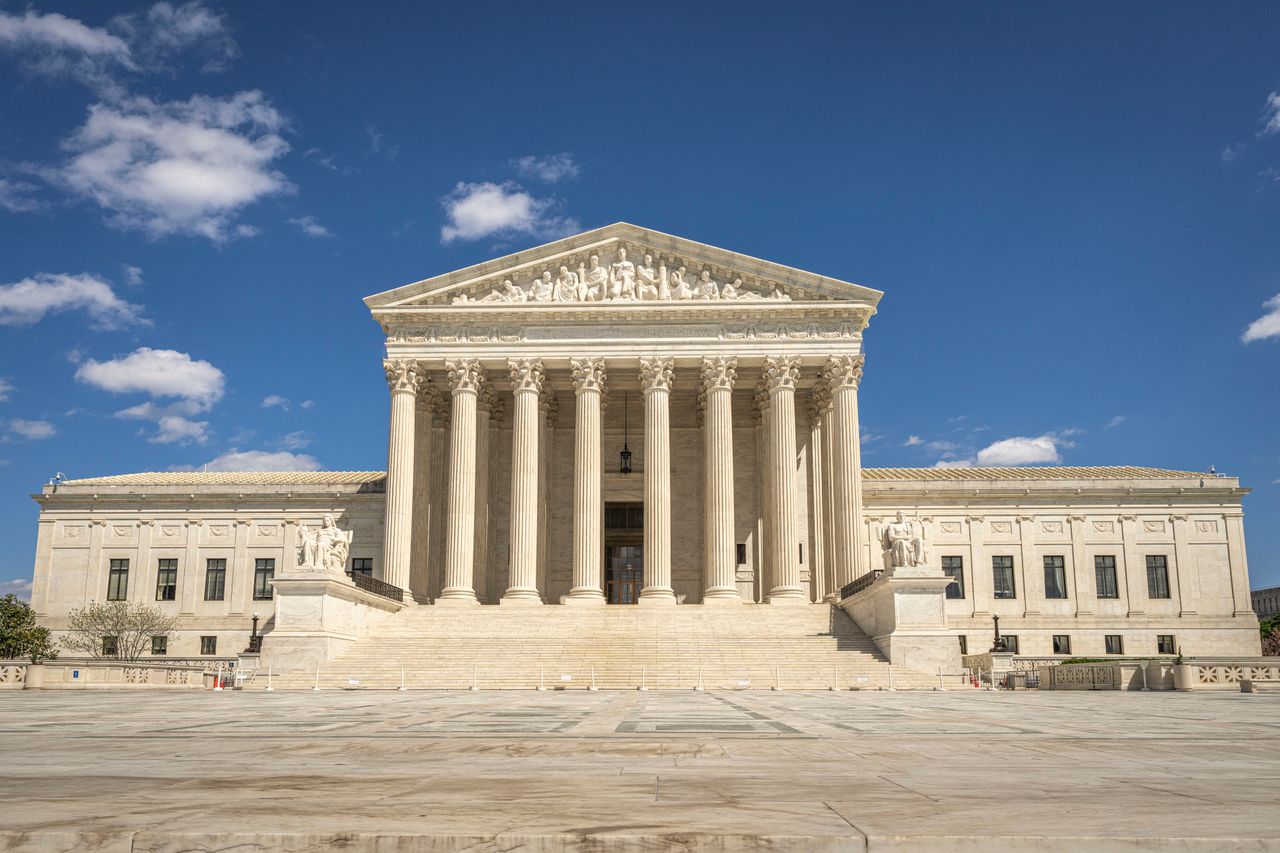
The U.S. Supreme Court’s June 30 decision upholding state bans on transgender athletes in girls’ and women’s school sports is already reshaping the legal landscape nationwide. The most immediate impact is falling on states including California, Minnesota and Maine, where inclusive policies are now facing fresh lawsuits, federal investigations and renewed political scrutiny.
Supreme Court ruling changes the legal landscape
In a 6-3 decision issued June 30, the Supreme Court upheld laws in Idaho and West Virginia that bar transgender girls and women from competing on female school sports teams, according to reporting from the Associated Press, CBS News and the Los Angeles Times. The court said those state laws do not violate the Constitution or Title IX, the federal law that bars sex discrimination in education.
The ruling directly resolved the two state cases before the court, but it did not create a nationwide mandate requiring every state to adopt the same policy. That distinction matters because a number of states still allow students to participate in school sports consistent with their gender identity, and those states are now the likely focus of the next round of legal fights.
The Associated Press reported that lawsuits in places including California and Connecticut were left unresolved by the decision. Axios separately reported that the ruling sets up the next legal battle over trans-inclusive policies, because it preserves state authority to impose bans while leaving inclusive state rules in place unless they are separately challenged.
That means the scale of the issue is no longer limited to the 25 to 27 states, depending on the count used by news outlets, that already had bans in place. The more immediate question is how courts, federal agencies and state officials will treat the remaining states that continue to permit transgender participation in girls’ and women’s sports.
Minnesota is one of the clearest examples of that pressure becoming formal legal action. The Washington Post and the Star Tribune reported that the U.S. Justice Department sued Minnesota in March 2026, alleging that the state Department of Education and the Minnesota State High School League violated Title IX by allowing transgender athletes to compete in girls’ sports.
California is facing multiple layers of scrutiny. The U.S. Department of Education announced Title IX investigations this year involving sports participation policies, including an investigation into the California Community College Athletic Association and prior findings against the California Department of Education and the California Interscholastic Federation. Federal officials said those actions centered on whether policies allowing participation based on gender identity conflict with Title IX.
Maine also remains part of the broader enforcement push, though the full scope of any next-step litigation after the Supreme Court ruling is not yet clear. Coverage from national outlets has identified Maine, along with California and Minnesota, as a state already targeted by the Trump administration over trans athlete rules.
What is not yet known is whether additional states will immediately revise their policies or wait for courts and federal agencies to act. States with inclusive rules have not moved in lockstep, and no comprehensive new list of states expected to change policy after June 30 has been publicly confirmed.
The legal pressure is increasing because the Supreme Court gave states a clear constitutional and Title IX defense for sex-based team classifications in school sports, according to AP, CBS News and Education Week. That does not automatically invalidate inclusive policies elsewhere, but it strengthens the hand of federal officials and litigants challenging those policies.
The Trump administration had already been building that strategy before the ruling. The U.S. Department of Education announced 18 Title IX investigations on January 14, 2026, involving K-12 districts, colleges and state education agencies over policies that permit participation based on gender identity. The department said the cases were intended to test whether those policies deny female athletes equal opportunities under federal law.
For residents, the practical effect will likely be seen first in schools, athletic associations and state education agencies rather than in immediate day-to-day changes outside those systems. Families, coaches and student-athletes in states with inclusive rules should expect continued court fights, possible federal directives and policy reviews, while states that already have bans are likely to cite the June 30 ruling as settled legal support for keeping those laws in place.
The ruling does not end the dispute nationally. It marks a new phase in which the central question is no longer whether states may impose bans, but whether states that do not impose them can continue defending inclusive policies against mounting legal and federal pressure.