

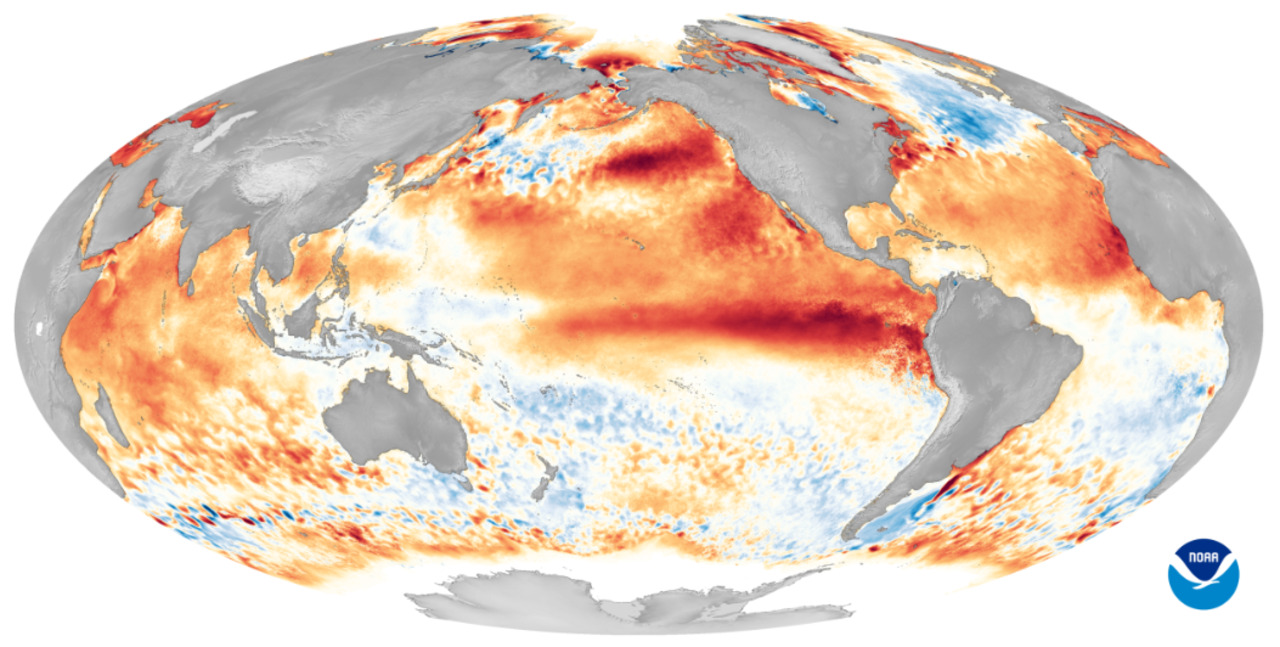
A powerful El Niño event is expected to shape weather patterns worldwide through the coming months, adding to heat risks in a warming climate. On September 23, 2026, researchers with the University of Chicago’s Climate Impact Lab released an analysis projecting that the current “super El Niño” could contribute to hundreds of thousands of additional heat-related deaths globally by February 2027. The report frames the event as an immediate public-health threat as well as a measure of the kind of temperatures climate change is expected to make more common in future decades.
Climate Impact Lab issues global heat mortality projection
The Climate Impact Lab said on September 23 that the current super El Niño could cause 451,000 additional heat-related deaths worldwide during the first nine months of the event, from June 2026 through February 2027, compared with a normal year. According to the group’s report, that estimate is based on projected temperature anomalies and temperature-mortality relationships across 24,378 regions around the world. Reuters separately reported the same day that the analysis came from researchers with the University of Chicago’s Climate Impact Lab.
The report said global land temperatures in the coming months are projected to run about 1.2 degrees Celsius, or 2.1 degrees Fahrenheit, above normal because of the current El Niño. Researchers also said those conditions would produce 44% more extremely hot days than expected in a typical year. The analysis stated that 239,000 of the projected deaths are expected in the next six months alone, with an uncertainty range of plus or minus 11,000.
UC Berkeley, highlighting work co-authored by professor Tamma Carleton, said the deaths are expected between June 2026, when the El Niño event began, and February 2027. The university said researchers intend to update the projections as the event unfolds. Climate Impact Lab also said its full methodological details will be published in an upcoming peer-reviewed journal.
The report identifies the broadest impacts outside the United States, with the heaviest projected losses in the African Sahel, Southeast Asia, India and Brazil. Climate Impact Lab said the countries across the Sahel are forecast to see 66,800 additional heat deaths from September through February, including 31,400 in Nigeria, 17,500 in Sudan, 10,000 in Niger and 8,000 in Chad. It also projected 19,400 additional deaths across the Philippines, Vietnam, Thailand and Cambodia, plus 19,300 in Indonesia.
For U.S. readers, the report’s main relevance is that it describes a global hazard rather than a country-specific federal warning or domestic emergency declaration. The researchers have not released a public U.S. state-by-state breakdown in the materials reviewed, and they have not identified a confirmed total for any individual American city or county. That means the national implications for local health systems, utilities and emergency managers in the United States are not yet quantified in the same way they are for some overseas regions.
What is confirmed is that the analysis treats heat as a direct mortality risk and argues that near-term interventions can reduce deaths. The report pointed to measures such as heat warnings, health outreach, cooling centers, hydration stations, worker protections and expanded health-system capacity. Those recommendations were described as examples of actions supported by the group’s adaptation research, not as mandates from U.S. public agencies.
Climate Impact Lab attributed the projected mortality surge to the combination of a strong El Niño and long-term warming that has raised the baseline from which heat extremes occur. The report said the current event is effectively exposing much of the world to temperatures that resemble conditions climate change is projected to deliver about 20 years from now. Inside Climate News also reported that researchers described the event as a preview of future warming, with added risks from drought, wildfire and flooding beyond heat deaths alone.
The methodology described by Climate Impact Lab combines seasonal forecasts from the European Centre for Medium-Range Weather Forecasts’ SEAS5 system with prior research on how temperature affects mortality. The group said its estimates compare projected deaths with the 1996-2025 average and carry uncertainty from both the seasonal forecast ensemble and the mortality relationships used in the model. Researchers also said the estimate may rise because current seasonal projections only extend through February 2027, while El Niño-related heat effects could continue later into 2027.
For residents and public officials, the practical message is that this forecast is not a count of confirmed deaths but a projection intended to show where preventive measures could save lives. Researchers said the strongest near-term benefit would come from targeting resources before the hottest periods arrive. The Climate Impact Lab said it plans to continue updating its forecasts as the super El Niño develops and as new data becomes available.