

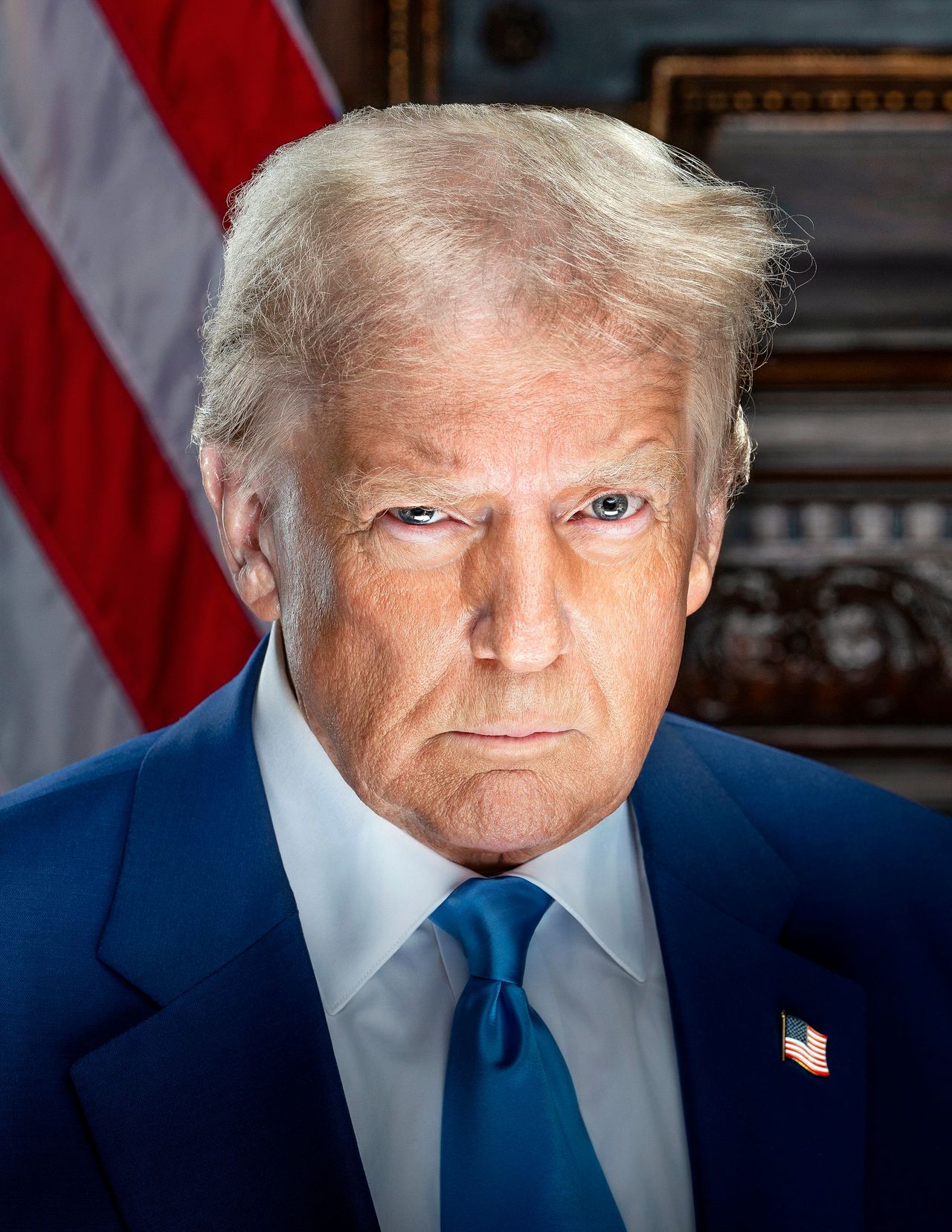
President Donald Trump on July 24 escalated a long-running U.S.-Europe dispute over technology regulation, trade policy and antitrust enforcement. The immediate trigger was a new European Union penalty against Google, one of the largest U.S. tech companies operating in Europe. In a social media post, Trump said the EU was “robbing” American companies and taxpayers and said the United States would begin a trade investigation.
Trump announced a Section 301 investigation after the EU fined Google €890 million
Trump said Friday, July 24, that the United States would “immediately” begin a Section 301 investigation into European Union trade practices after the European Commission fined Google €890 million, or about $1 billion, according to Reuters, the Associated Press and the Commission’s own announcement. The president tied his response directly to the EU’s latest enforcement action against a U.S. technology company and said the bloc was unfairly targeting American firms.
The European Commission announced the Google penalty on July 23 and said it came in two decisions under the Digital Markets Act, the EU law designed to limit the market power of large online platforms. According to the Commission, Google was fined €460 million over self-preferencing in Google Search and €430 million over restrictions that limited businesses from directing users to alternative purchase channels outside Google Play.
Google said it had worked to comply with the Digital Markets Act and warned that the ruling could reduce some product features for European users, according to AP. Reuters reported that Trump described the fine as illegal and discriminatory and paired that criticism with the formal threat of a U.S. trade probe under Section 301, a law Washington has used in past disputes to examine foreign trade barriers.
The enforcement action itself came from Brussels, where the European Commission serves as the EU’s top competition and digital rules enforcer. What is confirmed is that the fine applies to Google’s business conduct in the European market, and that Trump’s response was issued from Washington as part of a broader trade message aimed at the 27-nation bloc.
What is not yet known is the precise scope of any U.S. retaliation if the Section 301 investigation formally advances. Neither the White House nor the Office of the U.S. Trade Representative had publicly released a list of potential products, tariff rates or timelines tied specifically to this new dispute at the time Trump announced the move. That leaves uncertainty for U.S. companies with supply chains, advertising operations or digital services connected to Europe.
The issue still matters nationally because many of the companies involved are headquartered in the United States and have customers, workers and investors across the country. AP and Axios both reported that the dispute could test a broader U.S.-EU trade relationship already strained by tariffs and repeated disagreements over how Europe regulates large American technology platforms.
The immediate cause of Trump’s statement was the European Commission’s July 23 ruling against Google, but the broader context is a years-long conflict over whether EU digital competition rules fairly regulate dominant platforms or disproportionately burden U.S. companies. The Commission has said the Digital Markets Act is meant to make digital markets more competitive and to stop gatekeeper platforms from favoring their own services or blocking rivals.
U.S. officials and major technology companies have increasingly argued that European enforcement actions function as a de facto tax on American corporate success. Reuters reported that Trump framed the fines as money being taken from U.S. firms and, ultimately, from American taxpayers. Axios also reported that the latest dispute follows earlier EU actions involving other major U.S. tech groups, including Apple and Meta.
For readers and businesses watching the issue, the main takeaway is that the policy fight is no longer limited to courtroom-style regulatory proceedings in Europe. It has moved into trade enforcement language from the White House, with a possible Section 301 process that could reshape how the U.S. responds to foreign digital rules. As of July 24, the announced investigation marked the clearest sign yet that the Google case could spill beyond regulation and into a broader trade confrontation.