

A new federal child savings program moved from policy to funding this week as the Trump administration began seeding eligible accounts with public money. On July 6, President Donald Trump said more than 500,000 children had already received the first $1,000 government deposits into newly created Trump Accounts.
Trump administration says first 500,000-plus accounts have now been funded
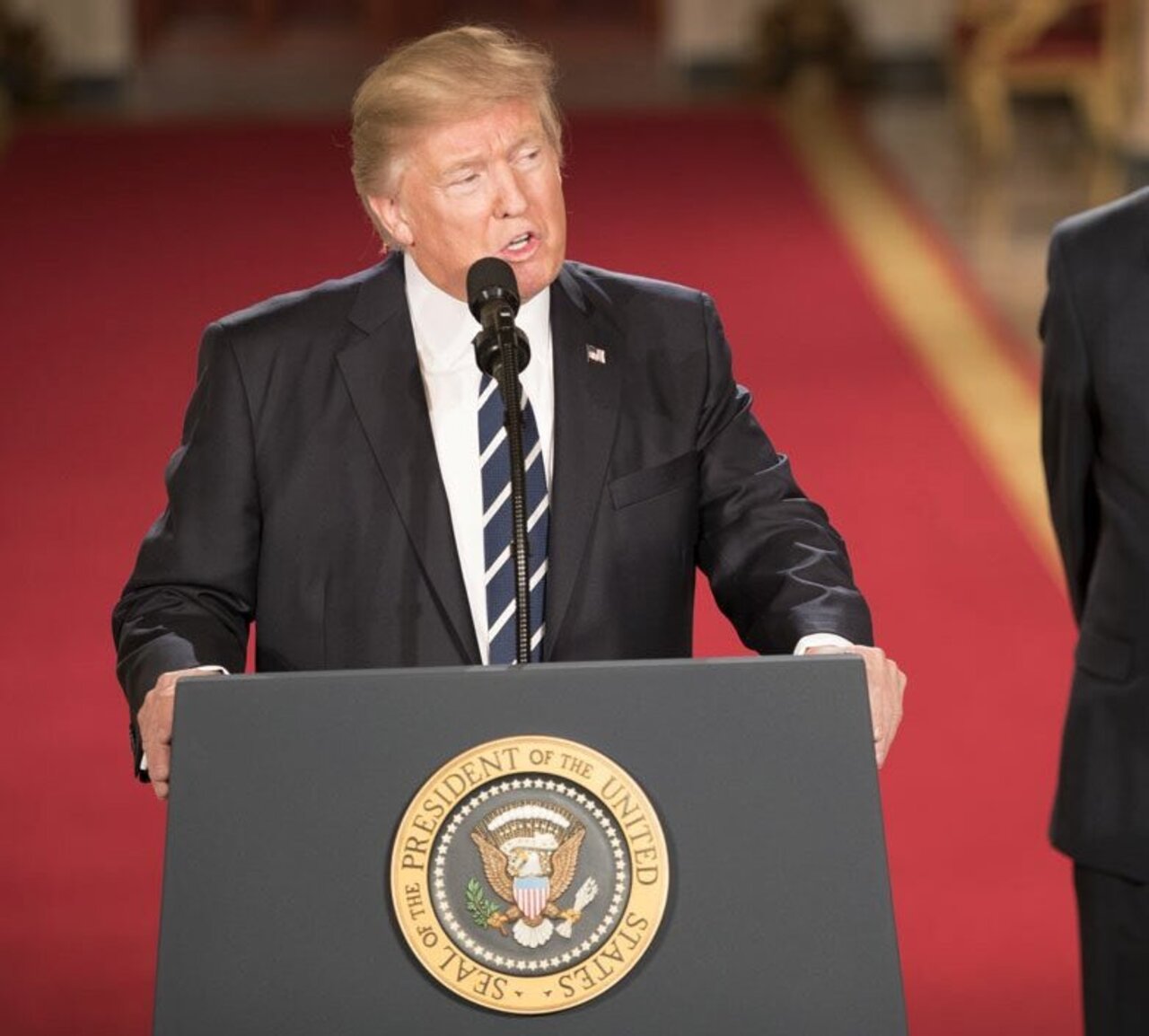
Trump said on July 6 that the federal government had deposited $1,000 into more than 500,000 Trump Accounts, according to Reuters and a White House statement issued the same day. The accounts are part of a federally backed savings and investment program for eligible U.S. children, with the money intended to give them an early financial stake that can grow over time.
The broader rollout had officially begun on July 4, when the Treasury Department announced the launch of the full Trump Accounts app and the next phase of account funding. Treasury and IRS guidance says eligible children are those born between January 1, 2025, and December 31, 2028, if an account is established for them and the other program requirements are met.
Administration materials say the accounts can receive a one-time $1,000 federal pilot contribution for eligible children, while families, employers and others may add more money later. Treasury has also said contributions began on July 4 and that the accounts are designed as tax-advantaged vehicles for minors. The White House said the initial wave of deposits would put hundreds of millions of dollars into accounts linked to American children.
The confirmed figure so far is national, not state-by-state. Trump’s July 6 statement described more than 500,000 funded accounts across the country, but the administration has not released a comprehensive public breakdown showing how many of those deposits went to children in each state.
That means families, employers and local officials in individual states do not yet have a verified count for their own areas based on publicly released federal data. Treasury has separately said millions of accounts have been registered or activated in earlier phases, and outside reports have cited figures above 6 million total registrations, but those totals are distinct from the number of accounts that have actually received the $1,000 federal seed deposit.
What is also not yet fully public is a complete list of demographic or geographic distribution data for the first deposit wave. Federal agencies have described the program as national in scope, but have not published a detailed map of which states, counties or cities account for the largest share of the funded accounts. For now, the clearest verified number remains the nationwide total cited by Trump and reported by Reuters.
The program was created under Trump’s tax-and-family policy agenda, with the administration describing the accounts as a way to promote long-term saving, investing and what it calls broader asset ownership for children. White House and Treasury officials have repeatedly framed the accounts as a mechanism to build wealth over time by starting children with an initial balance invested early.
According to Treasury, the accounts are meant to be managed through the official app, where families can view balances, make additional contributions and access educational materials. AP reported that children generally cannot tap the funds until age 18, and then only under rules tied to specific uses such as education or a home purchase, depending on program terms.
For families, the practical takeaway is that the initial federal money is now moving into accounts, but the rollout is still evolving. More state-level detail could emerge in future Treasury or IRS updates, and additional employer or private contributions may expand balances beyond the federal $1,000. As of this week, the confirmed development is that the first large funding wave has begun and more than 500,000 children have already been included.