

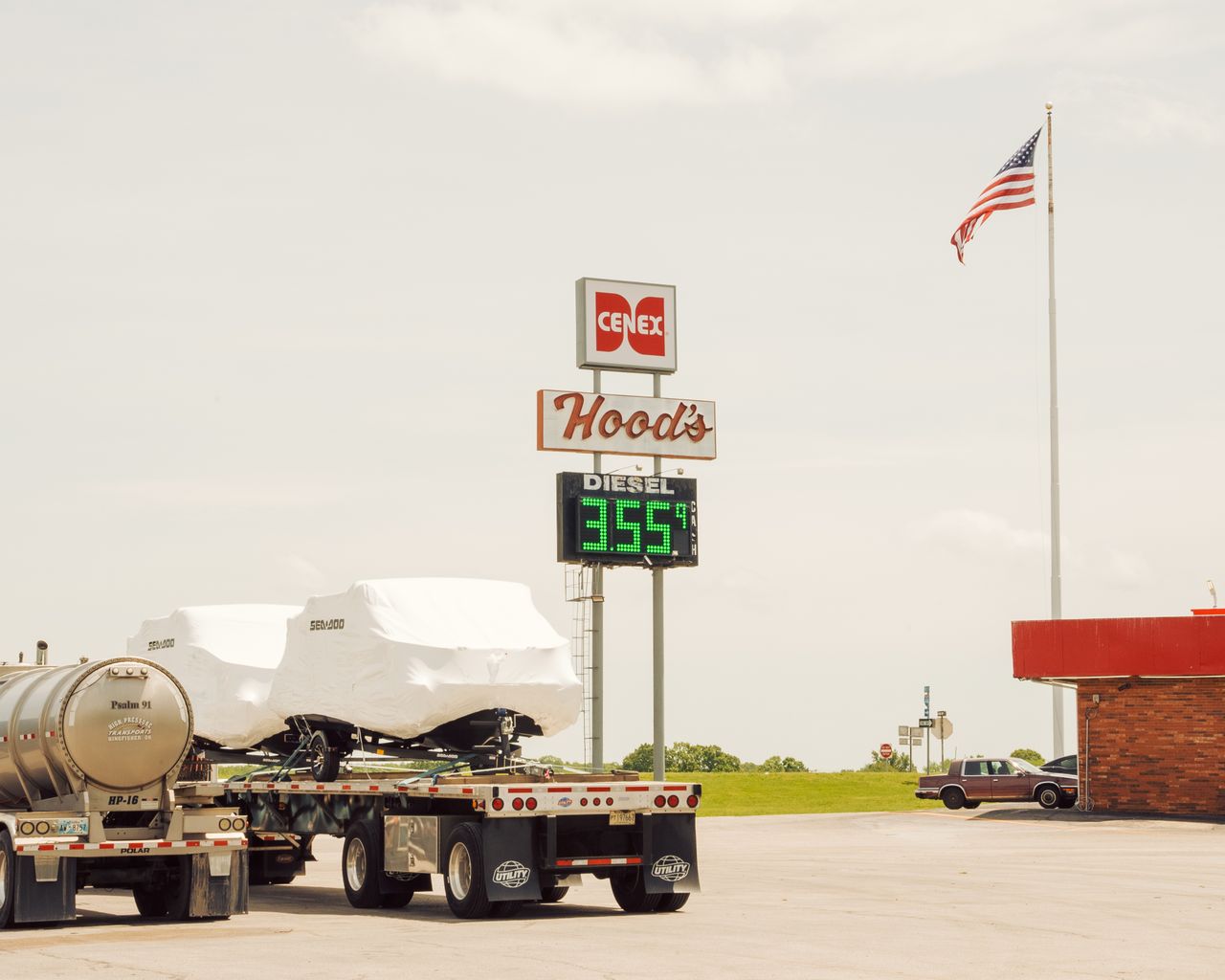
Diesel prices have surged to record levels in the United States as wars affecting global energy flows tighten supplies and raise costs across freight, farming and manufacturing. That national pressure narrowed sharply on September 22, when President Donald Trump said his administration was weighing limits on U.S. diesel exports as a way to keep more fuel at home. The idea could move prices in the short term, but administration officials and refining groups have said the policy could also reduce overall fuel production and create new supply problems.
Trump put diesel exports at the center of the debate
Trump’s Sept. 22 comments elevated a policy option that had been discussed for days by Republican lawmakers and fuel market analysts: a temporary curb on diesel exports. S&P Global reported that Trump said, “let’s not send out the diesel,” moving the proposal from political pressure to a live policy debate. Reuters reported on Sept. 23 that Energy Secretary Chris Wright publicly disagreed, saying a U.S. diesel export ban “would not work” and could push up gasoline and jet fuel prices.
The scale of the market explains why the proposal is drawing close attention. S&P Global, citing GasBuddy data, reported that U.S. refineries produce roughly 5.3 million barrels a day of distillates, including diesel, while domestic demand is about 3.6 million barrels a day. That leaves a sizable export stream, but analysts said those barrels are part of a broader refinery system that cannot easily isolate diesel without affecting other fuels.
Industry opposition formed quickly. The American Fuel & Petrochemical Manufacturers said Sept. 23 that more than 30 business, energy and manufacturing groups urged Trump to reject export restrictions. The American Petroleum Institute also stated that limiting access to global markets could force refiners to cut runs, reducing diesel, gasoline and jet fuel output together rather than boosting domestic supply in a simple one-for-one way.
The immediate effect would not be uniform across the country. Reuters and Interior Secretary Doug Burgum said restrictions could hurt places that still depend in part on imported fuels, including California, even if more diesel stays within U.S. borders overall. AAA data for Sept. 23 showed California diesel above $8.40 a gallon, far above lower-price states such as Alabama, illustrating how regional fuel markets already move differently.
What remains unclear is how any restriction would be structured. The White House denied a report on Sept. 23 that it was preparing a 90-day export ban, according to Reuters, even as Trump continued to back the broader idea of limiting exports. The administration has not released a formal policy text, a timetable, or a state-by-state impact estimate.
For residents and businesses, the practical issue is that diesel affects far more than filling up a truck. Diesel powers freight haulers, farm equipment, trains and parts of the construction economy, so price swings can show up in shipping bills and goods prices beyond the pump. Analysts cited by CBS News and Reuters said any near-term relief from export controls would likely be uneven, while the risk of higher gasoline and jet fuel prices could spread more widely.
The pressure behind the idea is rooted in an unusually tight global diesel market. Reuters, AP and other outlets reported that the wars in Iran and Ukraine have constrained oil and fuel flows, helping send U.S. diesel prices above $6.50 a gallon nationally this week. EIA outlooks have also pointed to low distillate inventories, strong export demand and domestic production constraints as reasons diesel markets remain especially vulnerable.
Supporters of export restrictions argue that keeping more barrels at home could cool domestic prices quickly. That case has been amplified by lawmakers from farm states, where diesel is a direct cost for harvesting, hauling and processing crops. But the main counterargument, repeated by refinery groups, S&P Global and Energy Secretary Wright, is that refiners optimize for the whole barrel, not one product, and lower exports could make some refinery runs less economic.
That is why critics say the policy could backfire. S&P Global estimated refiners might have to cut crude runs by nearly 1.9 million barrels a day, or about 12%, if export outlets close and surplus diesel builds up. If that happens, the result would not just be less diesel moving overseas; it could also mean less gasoline, less jet fuel and another layer of volatility in an already strained fuel market.