

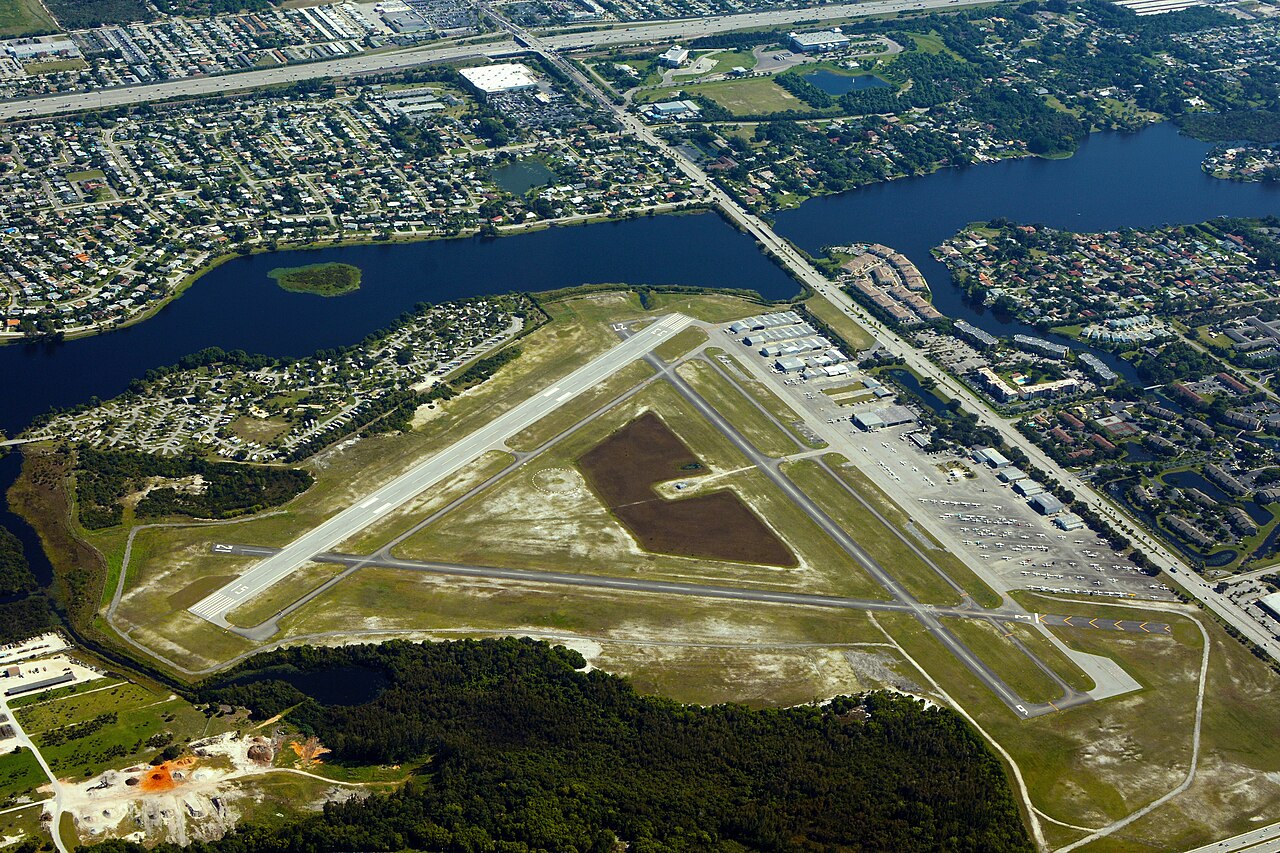
As more public facilities and institutions take on President Donald Trump’s name, the legal terms behind those changes are drawing new scrutiny. In South Florida, the renaming of Palm Beach International Airport has now become a test case for how a public honor can intersect with private trademark control.
Palm Beach County’s airport officially changed names on July 9
Palm Beach International Airport officially became President Donald J. Trump International Airport on Thursday, July 9, according to Reuters and the airport’s public notices. The name change followed Florida legislation signed by Gov. Ron DeSantis in March, and the airport said the rebranding is expected to cost about $5.5 million for signs, branding and related updates. Passengers still need to use the longtime PBI code for bookings until Aug. 18, even though the Federal Aviation Administration authorized the new DJT identifier to take effect Thursday, Reuters reported.
The renaming did not happen through a simple honorary proclamation alone. Palm Beach County commissioners approved a naming-rights and license agreement on May 5 with DTTM Operations, LLC and Donald Trump, according to county agenda records. That agreement gives the county a perpetual, non-exclusive right to use the name for airport purposes including signage, advertising, marketing, merchandising, promotion and branding.
The same county document says Trump, described in the agreement as the licensor, is barred from receiving royalties, fees or revenue from the purchase or sale of merchandise by the county or airport retailers. That restriction is central to the public case that the renaming itself does not directly enrich him through airport gift-shop or county-run sales.
For Palm Beach County residents and travelers, the confirmed changes are visible and administrative. Updated road signage has begun appearing, the airport’s official name has changed, and county records show the agreement remains in place in perpetuity unless FAA approval is denied or revoked, the state law changes, or the airport is otherwise lawfully renamed. The airport serves as the main commercial airport for the area around West Palm Beach and Palm Beach.
What is not yet known is whether any branded merchandise will actually be sold at the airport. NPR reported that airport spokesperson Rebeca Krogman said the airport has no current plans to sell branded merchandise and is unaware of vendors currently selling airport-branded items. That means the most debated financial question is not tied to an active retail program inside the terminal, at least for now.
The larger local issue is that Palm Beach County received only a non-exclusive license. Because the county does not hold exclusive control over the branded name, lawyers interviewed by NPR said the Trump side could still authorize other uses beyond the airport itself. That distinction matters because the agreement’s no-revenue restriction is written around county sales and airport retailers, not every conceivable marketplace.
The reason lawyers say there is a workaround is embedded in the structure of the deal. County records show the airport name is treated as a licensed mark, with visual standards and approved uses, while a Florida Senate bill analysis says airport names under the law are “brand designations” and do not create a new legal entity. In other words, the public airport got authority to use the name, but not ownership of the broader trademark rights.
Trademark attorney Josh Gerben told NPR that the non-exclusive structure creates a potential loophole for sales outside the airport. Under that reading, if third parties were licensed to sell items bearing the airport name online or elsewhere, those transactions would not necessarily fall under the county agreement’s ban on royalties from county or airport-retailer sales.
Trump and the Trump Organization have said they are not seeking to profit from the renaming. NPR reported that Trump Organization spokesperson Kimberly Benza said the company’s trademark filings are part of its normal brand-protection practice and that the president and his family would not receive royalty, licensing fee or other financial consideration from the airport renaming. As of July 9, no public plan for outside merchandise sales had been announced, leaving Palm Beach County with a renamed airport and an unresolved question about how far the trademark rights may reach.