

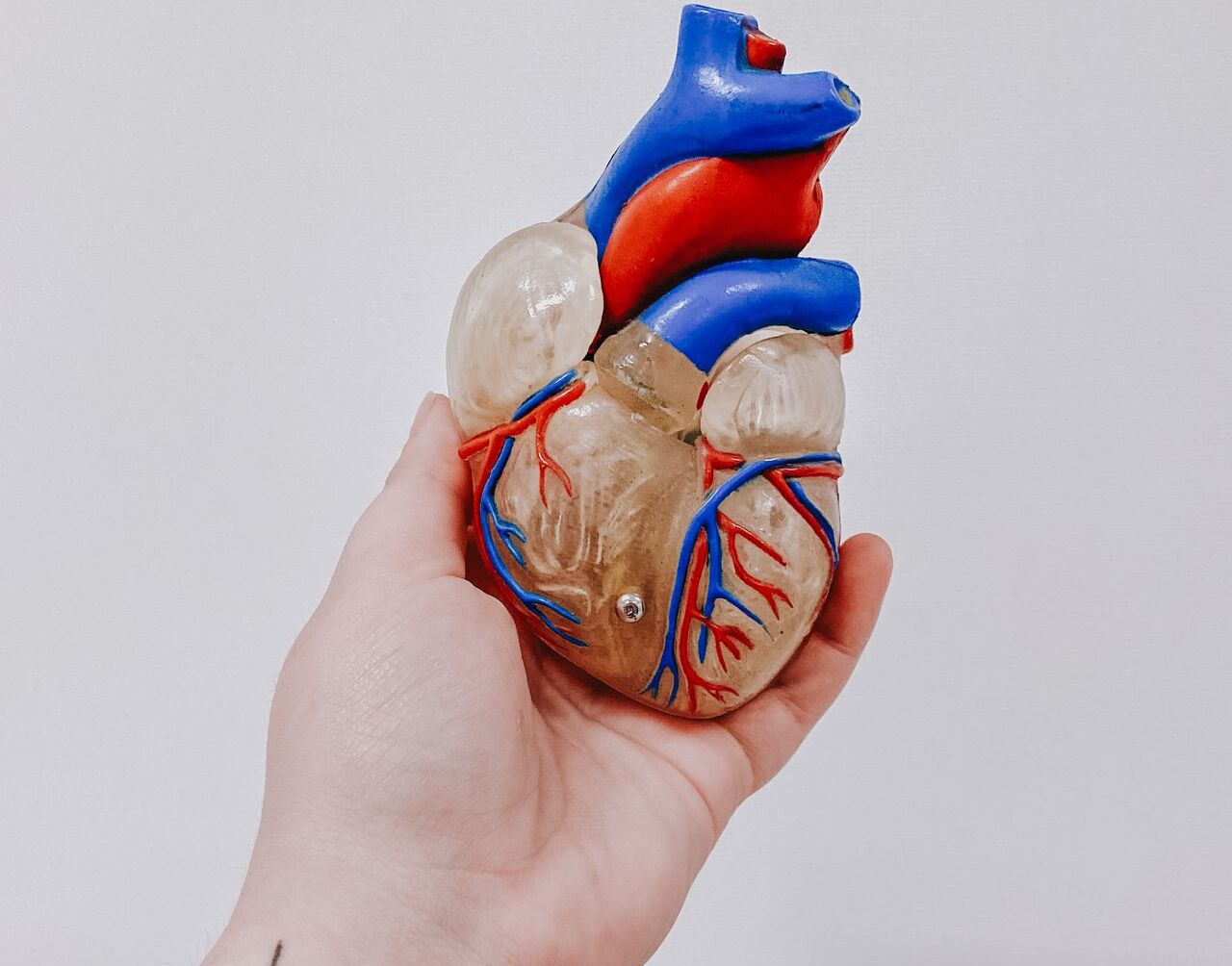
A new debate in transplant medicine is testing one of the field’s oldest ethical boundaries. On July 8, 2026, attention turned to a proposal known as “Death by Organ Donation,” a concept discussed by bioethicists that would link euthanasia and organ recovery in a way that directly causes death.
A New Proposal Puts a Core Transplant Rule at the Center of Debate
The proposal receiving new scrutiny was outlined by Dr. Robert Truog of Harvard Medical School and Dr. Carter Winberg, a Canadian critical care physician studying bioethics at Harvard, according to NPR’s July 8 report on the paper. Their argument centers on euthanasia patients who already intend to die and also want to donate organs for transplantation.
Under the proposal, doctors would anesthetize a consenting patient and remove organs such as the heart, lungs, liver and kidneys while those organs are still functioning. NPR reported that supporters say this would preserve organs in better condition than the current practice used in countries where euthanasia is legal and organ donation can occur only after a lethal injection has already been administered.
That approach directly conflicts with the Dead Donor Rule, a longstanding ethical standard requiring that organ donors be declared dead before organ recovery begins. Federal transplant guidance in the U.S. also reflects that framework: HRSA states that the organ donation system is governed by federal and state law, while CMS said in a March 2026 announcement that death must be declared according to accepted medical standards before organ recovery starts.
The debate is not over a new U.S. law or hospital policy. Based on the available reporting, it is an academic and ethical proposal, not a change adopted by the U.S. transplant system.
In the United States, the immediate practical impact is limited because active euthanasia remains illegal in all 50 states, according to Cornell Law School’s Legal Information Institute. That means the proposal is not something U.S. hospitals can implement under current law.
What is legal in some parts of the country is medical aid in dying or physician-assisted suicide, which is legally distinct from euthanasia. Cornell’s legal summary says those laws, with varying safeguards, exist in Oregon, Washington, Vermont, California, Colorado, Hawaii, Maine, New Jersey, New Mexico, the District of Columbia and Delaware, which was added in 2025.
Even so, the NPR report said critics fear that debating “Death by Organ Donation” for euthanasia patients could eventually influence arguments about assisted-dying patients or even hospice settings. That concern is one reason the discussion is drawing attention in the U.S. despite the legal barrier.
What is not yet known is whether any U.S. medical society, federal regulator or transplant network committee plans to formally consider the concept. No public record in the referenced material shows a pending federal proposal to legalize it, and current U.S. policy still bars organ recovery from causing a patient’s death.
The argument is gaining traction partly because euthanasia is legal in several countries, including Canada, the Netherlands and Spain, as NPR reported. In those systems, some patients who choose euthanasia also want to become organ donors, creating pressure to revisit whether existing transplant rules best respect patient autonomy.
Supporters frame the issue around consent and beneficence. NPR reported that Truog said some patients may see organ donation as a final altruistic act, while Johns Hopkins bioethicist Ruth Faden said the concept appears less disturbing when evaluated through the lens of patient choice, provided there are strong safeguards and fully informed consent.
Opponents focus on a different ethical line: whether consent can justify a physician directly causing death through surgery. University of Rochester bioethicist Lainie Friedman Ross told NPR that taking a living patient into an operating room and removing organs until death occurs crosses that line, while Chicago-Kent professor emerita Lori Andrews warned it could damage trust in both end-of-life care and organ donation.
That trust question is especially sensitive now. AP reported in 2026 and 2025 on increased federal scrutiny of the organ procurement system after disturbing near-miss cases and broader concerns about public confidence. For patients and families, the immediate reality is unchanged: in the U.S., organ donation after death remains tightly regulated, and the dead donor standard is still in place.