

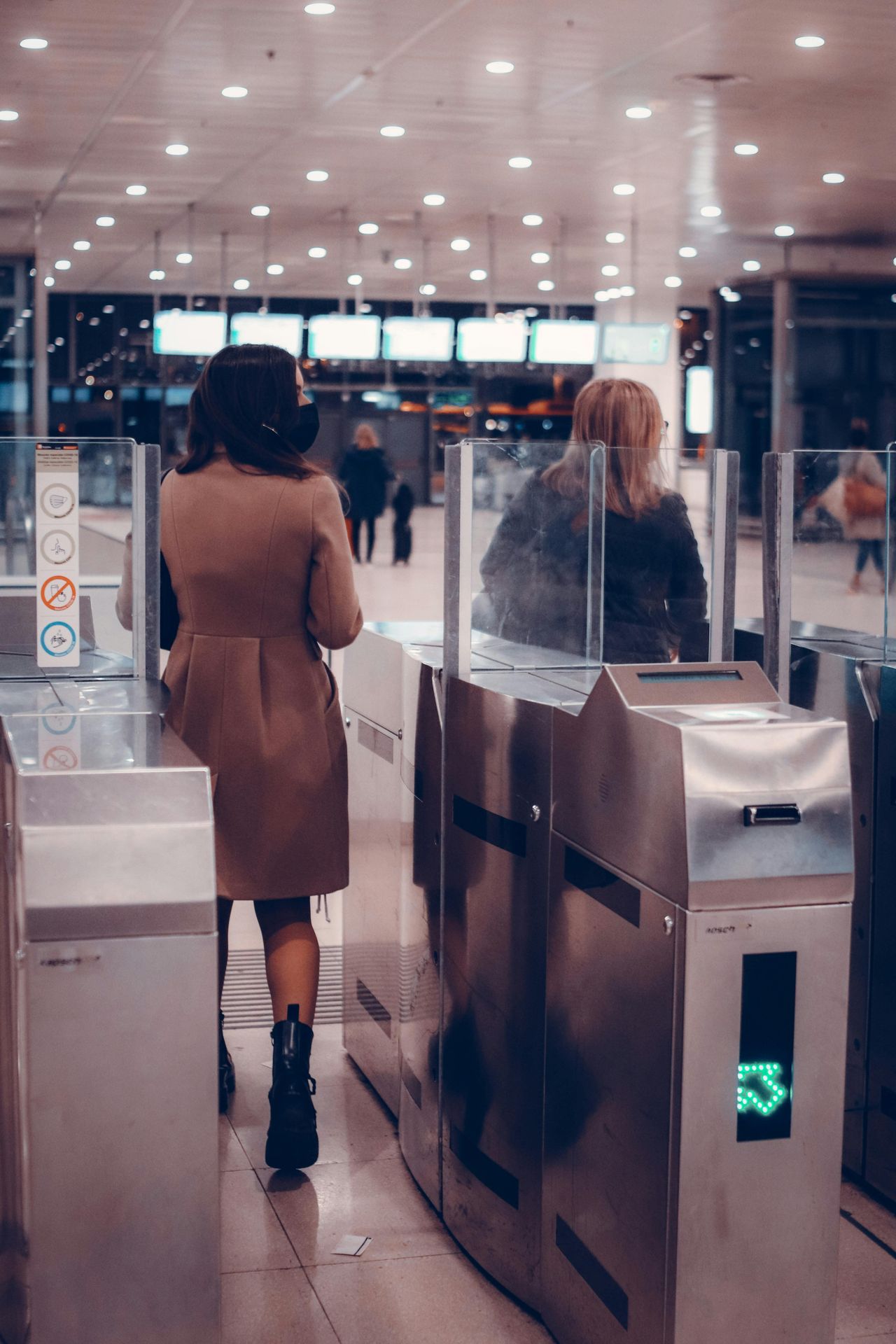
Airport security has long been the part of flying travelers dread most. Now TSA is leaning into a future where, for some passengers, the line itself is becoming far less of an obstacle.
What TSA actually launched — and what it does for travelers
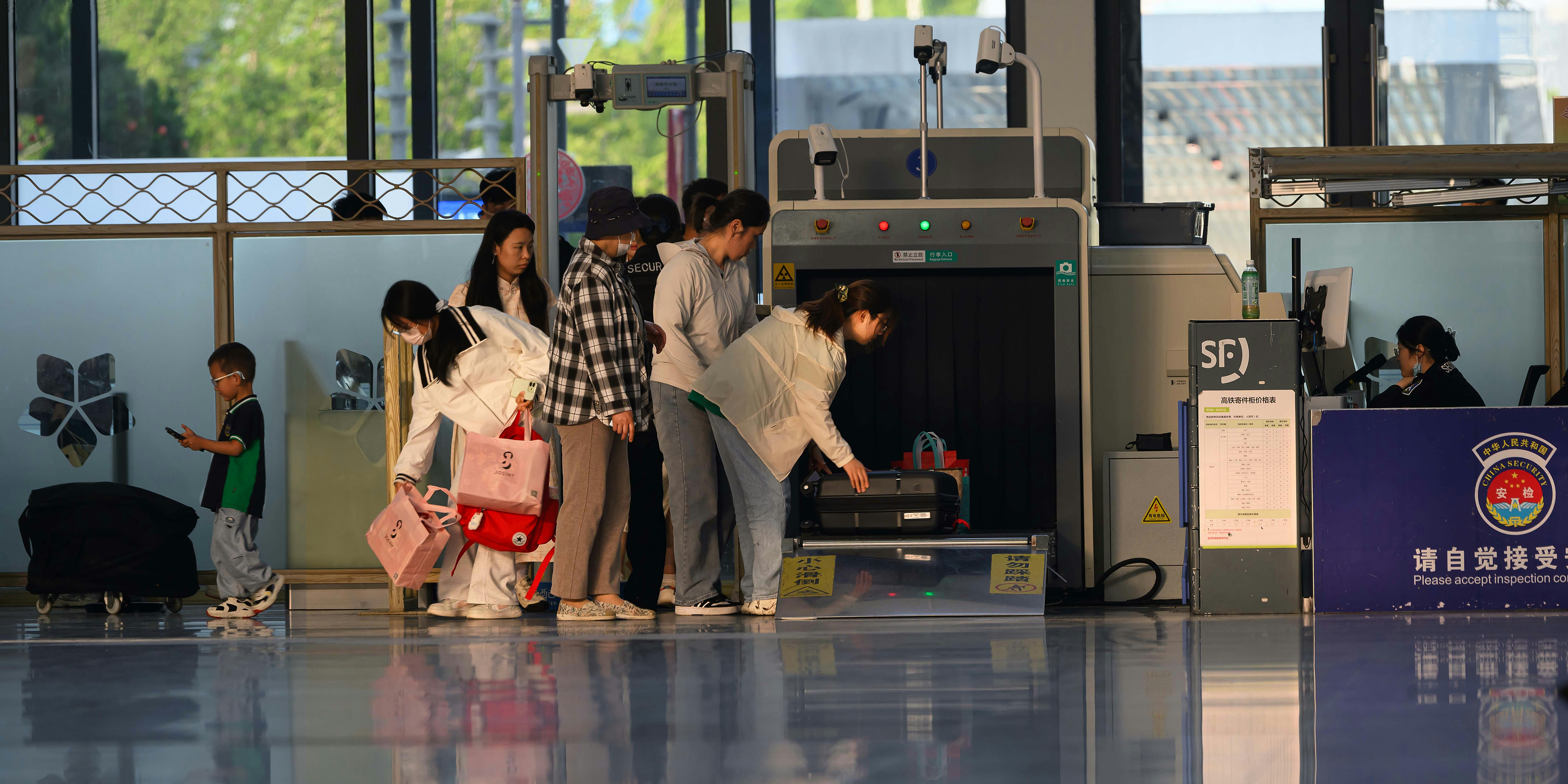
The headline-grabbing idea that travelers can “skip airport security lines entirely” needs one important clarification: TSA has not eliminated screening. Every passenger still has to be vetted and screened before entering the secure side of an airport. What TSA has done is expand programs and technology that can make the checkpoint process dramatically faster, to the point that the traditional line feels almost bypassed for eligible travelers.
The most important piece is TSA PreCheck, the long-running trusted traveler program that gives approved passengers access to expedited lanes. TSA says PreCheck members generally move through faster screening and can usually keep shoes, belts, light jackets, laptops, and compliant liquids in place. That matters even more after TSA’s July 8, 2025 nationwide move away from routine shoe removal for most travelers, a change the Department of Homeland Security said should reduce wait times while preserving security standards. Reuters reported that officials tied the shift to improved screening technology and modernized procedures.
A newer layer is Touchless ID for TSA PreCheck travelers. TSA materials describe it as a facial recognition-based identity verification option that lets eligible passengers use a dedicated Touchless ID queue in participating airports instead of handing over a physical ID at the podium. In practice, that means less fumbling with documents, fewer pauses at the front of the line, and a smoother handoff from identity check to screening. TSA has framed the system as a secure, contactless way to confirm identity rather than a replacement for security itself.
That distinction matters because much of the public confusion comes from marketing language around “skipping the line.” What travelers are really getting is a shorter, more predictable path through the checkpoint. In some airports, especially during peak travel periods, that can feel like an entirely different experience from the standard queue, even though the underlying security process remains in place.
Why this shift is happening now
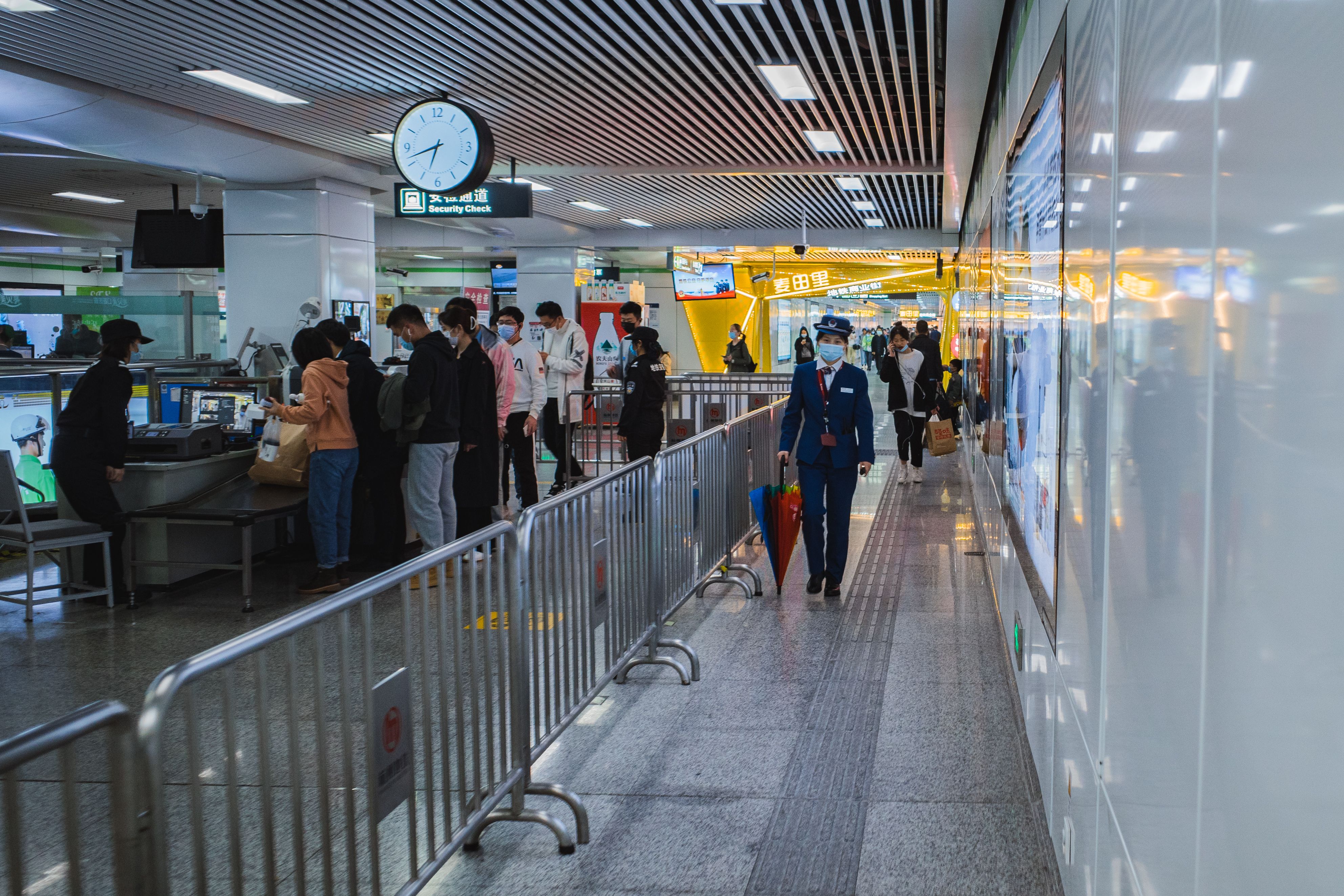
TSA’s move toward faster, more automated processing is not happening in a vacuum. U.S. airports are handling enormous passenger volumes, and federal officials have been under pressure to improve the customer experience without weakening security. Reuters noted that more than 1 billion passengers flew through U.S. airports in fiscal 2023, a scale that makes even modest checkpoint improvements meaningful. When screening systems save just seconds per traveler, those seconds compound into shorter lines and less terminal congestion.
There is also a technology story behind the policy shift. TSA and DHS planning documents have repeatedly highlighted Touchless Identity as part of a larger effort to modernize checkpoints. In budget and planning materials, the agency has described expansion of TSA PreCheck Touchless Identity as a customer experience priority and a way to create a more seamless token-based verification process. In plain terms, TSA is trying to replace stop-and-start manual checks with a faster flow that uses biometric matching and digital records for eligible passengers.
The REAL ID enforcement deadline, which took full effect on May 7, 2025, has added urgency to that modernization push. TSA now requires compliant state IDs or another acceptable form of identification, such as a passport, for adult passengers at checkpoints. That rule did not create the new fast-track system, but it did sharpen the agency’s focus on identity verification and on tools that can reduce friction when large numbers of travelers arrive with different document types and varying levels of preparedness.
There is also a behavioral reason the push matters. Travelers increasingly judge an airport by predictability as much as speed. A 12-minute checkpoint that always stays near 12 minutes feels far better than a line that could take 10 minutes one day and 45 the next. Programs like PreCheck, Touchless ID, and other queue-management systems aim to smooth that variability. That is why TSA and airport partners are investing not just in throughput, but in consistency.
The programs that make the “skip the line” promise feel real

For most travelers, the closest thing to skipping airport security lines is still TSA PreCheck. It remains the foundation of expedited domestic screening, and TSA continues to promote it through multiple enrollment providers. The agency describes it as a Department of Homeland Security trusted traveler program for low-risk passengers, and its value proposition is simple: faster lanes, fewer removals, and less checkpoint hassle. That alone can turn a stressful airport arrival into a routine walk-through.
Touchless ID makes that experience even more streamlined. TSA’s own partner messaging describes it as a way for eligible PreCheck travelers to use their face as their identification in a dedicated queue at participating airports. That means the process can move with fewer manual document checks and less repeated handling of IDs and boarding passes. For frequent fliers, especially business travelers moving through the same hubs repeatedly, that can shave enough friction out of the experience that it feels like an airport fast pass.
Then there is CLEAR, which often gets bundled into the same conversation even though it is not itself a TSA security program. CLEAR uses private biometric identity verification to move members to the front of the document-check portion of the checkpoint, after which they still undergo TSA screening. CLEAR also markets the ability to combine its service with TSA PreCheck for the fastest route through the checkpoint. In practice, that pairing is what many travelers mean when they say they can nearly skip the line entirely.
Global Entry also belongs in the broader picture, though it serves a different purpose. It primarily speeds reentry into the United States through customs for pre-approved, low-risk international travelers, but membership includes TSA PreCheck benefits. That makes it especially valuable for people who travel abroad several times a year. The cumulative effect of these programs is clear: TSA is not abolishing airport security lines, but it is helping create a tiered system where enrolled travelers often avoid the worst of them.
What travelers should know before assuming they qualify

The biggest misconception is that this is automatic or universal. It is not. TSA PreCheck requires an application, identity verification, background vetting, and approval. Touchless ID is currently available only to eligible PreCheck travelers and only at participating airports and with participating airline pathways. In other words, the fastest experience depends on where you are flying, which carrier you are using, and whether your enrollment data and travel profile match the system requirements that day.
Travelers should also understand that “touchless” does not mean “invisible.” TSA says passengers still clear identity verification, Secure Flight vetting, and other security processes. If a traveler is flagged for additional screening, if the biometric match does not work, or if an airport is operating under a different checkpoint configuration, the process can revert to a more traditional manual check. Convenience exists inside the security framework, not outside it.
Privacy questions are part of the conversation as well. TSA has said it does not copy or store a traveler’s digital ID in normal use, except in limited testing environments designed to evaluate the accuracy of facial comparison technology. That assurance is important because public acceptance of touchless verification depends heavily on how clearly the government explains what data is collected, how long it is retained, and who can access it. Faster screening only works as a durable policy if travelers trust the system behind it.
There is also the question of cost. PreCheck is a paid program, CLEAR is a separate paid service, and not every traveler flies often enough to justify both. For a weekly business traveler, the value may be obvious. For a family that flies once or twice a year, the math is less clear. The right choice depends on frequency, home airport congestion, and how much certainty matters compared with the membership fee.
What this means for the future of airport security
The broader takeaway is that TSA is steadily moving toward a checkpoint model built around risk-based screening, digital identity, and automation. The old airport experience treated nearly every passenger the same until the moment of screening. The emerging model separates travelers much earlier, using enrollment status and identity tools to sort people into faster or more traditional lanes. That does not remove security; it redistributes time and attention toward unknown or higher-friction cases.
This evolution also helps explain why changes that seem small on their own can become powerful when layered together. Shoes stay on for most travelers. PreCheck reduces what needs to come out of bags. Touchless ID removes much of the document-check pause. CLEAR, where available, can move members ahead in the verification queue. Stack those steps together, and the checkpoint begins to resemble a managed flow rather than a bottleneck. For seasoned travelers, that is the practical meaning behind the claim that security lines can almost disappear.
Airports are likely to keep pushing in this direction because customer experience has become a competitive issue. Long, chaotic checkpoint lines affect terminal crowding, concession spending, airline operations, and passenger sentiment. Faster screening is no longer just a convenience; it is part of the airport’s overall performance. That is why the next few years will probably bring broader biometric deployment, more tailored screening lanes, and deeper integration between airline apps, digital IDs, and checkpoint systems.
So, did TSA launch a program that lets you skip airport security lines entirely? Not literally. But in the real-world sense that matters to travelers, the agency is expanding a set of tools that can make the old-style wait feel increasingly avoidable. For eligible passengers with the right enrollment and airport setup, that future is not theoretical anymore. It is already unfolding at the checkpoint.