

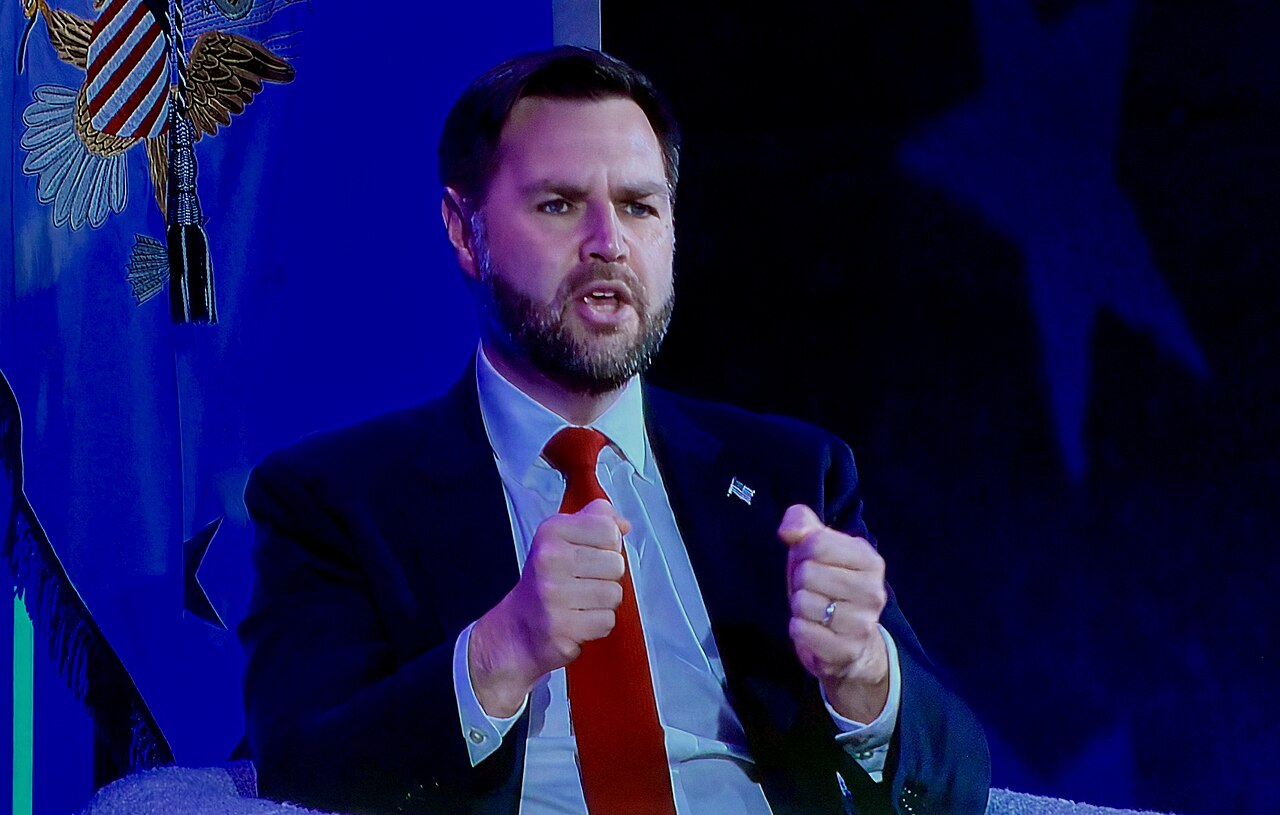
President Donald Trump cannot seek another elected term under the 22nd Amendment, shifting early attention to the next Republican standard-bearer. That has placed Vice President JD Vance at the center of growing 2028 speculation in Washington and across the GOP. Trump’s own recent comments have added to that discussion, even as Vance says his focus remains on governing and the 2026 midterms.
Trump’s comments and Vance’s standing have intensified 2028 talk
The clearest recent marker came on June 3, 2026, when Reuters reported that Trump said in a podcast interview that a Vance-Marco Rubio ticket would be “unbeatable” in 2028. The remark did not amount to a formal endorsement, but it publicly elevated Vance again in the conversation over who could inherit Trump’s coalition. Reuters also described the 2028 field as an open race already drawing maneuvering from both parties.
Vance has responded more cautiously in public. In Reuters-reported comments carried in August 2025 and resurfacing in later coverage, he said he was “not really focused” on the politics of 2028 and pointed instead to the 2026 election cycle. That position has remained a consistent part of his public messaging even as political coverage has increasingly framed him as a front-runner.
Associated Press coverage added another sign of Vance’s national profile this year. In April 2026, AP reported that the release of Vance’s forthcoming book was likely to intensify speculation about a presidential bid, while noting that Vance had indicated he would wait until after the 2026 midterms to decide on any campaign. That combination of visibility, message control and timing has kept him in the top tier of early Republican names.
What is confirmed is that Vance is serving as vice president, is receiving public praise from Trump, and is widely described by major national outlets as a potential 2028 candidate. AP has reported that he is widely expected to contend, and Reuters has repeatedly placed him alongside Secretary of State Marco Rubio in the developing succession conversation. Those are concrete signs of political positioning, even without a declaration.
What is not confirmed is a formal Vance campaign, a launch timetable or a campaign structure. Vance has not announced a presidential bid, and there is no official filing showing a declared 2028 campaign in the material cited here. Trump also has not made a formal endorsement of Vance over other possible Republican contenders.
There is also no verified public roadmap yet for how Vance would build a national operation state by state. Reporting has pointed to appearances in places such as Iowa and to increased visibility in administration messaging, but a comprehensive campaign plan has not been released. For voters and donors, that means the evidence so far is political signaling, not an official start.
The main reason Vance is viewed as a likely candidate is structural as much as personal. The National Archives’ text of the 22nd Amendment states that no person can be elected president more than twice, which bars Trump from running for another elected term after his current presidency. That constitutional limit creates a succession contest inside the Republican Party whether or not Trump wants to shape it personally.
Vance’s position gives him advantages that potential rivals do not automatically have. As vice president, he has a national platform, daily visibility and a direct connection to Trump’s political base. Reuters and AP coverage has also shown that party observers increasingly see the contest through the lens of Vance and Rubio, especially as each takes on prominent administration roles.
For the public, the practical takeaway is that 2028 jockeying has already begun even without formal campaign launches. Vance has not declared, and he continues to say he is focused on governing and the 2026 midterms, but the combination of Trump’s comments, constitutional term limits and sustained national attention has made him one of the most closely watched Republicans in the next presidential cycle.