


It sounds like progress. Then the grocery bill, rent renewal, and utility statement arrive.
That is why the difference between a 3.4% pay gain and a 3.8% rise in prices matters more than the raise itself.
Why a Pay Raise Can Still Feel Like a Loss

Nominal wage growth is the number most people hear first. It is the headline raise on a paycheck, the increase an employer announces, or the year-over-year gain economists cite when they say earnings are rising. But nominal pay is only half the story, because households do not live in nominal terms. They live in real terms, which means what their wages actually buy after inflation takes its share.
That is the heart of the problem. If wages climb 3.4% while prices rise 3.8%, purchasing power falls. A worker may technically earn more dollars, yet those dollars command less at the cash register, on the rent check, or in a monthly insurance payment. Economists call that a decline in real wages, but most families would describe it more simply: it feels like falling behind while being told things are getting better.
The arithmetic is not abstract. A worker earning $1,000 a week who gets a 3.4% raise moves to $1,034. But if the cost of the typical basket of goods and services rises 3.8%, maintaining the same lifestyle would require $1,038. That leaves a shortfall. It is small enough to be dismissed in policy debates, yet large enough to be felt repeatedly in everyday life, especially when multiplied across groceries, commuting, childcare, debt payments, and medical costs.
This is why public frustration often survives upbeat labor-market messaging. Official wage measures can look respectable while consumers remain uneasy. The Bureau of Labor Statistics has shown repeatedly that what matters is the relationship between earnings and inflation, not wages in isolation. In early 2026, for example, BLS reported that total compensation for civilian workers rose 3.4% over the 12 months ending December 2025, while other BLS releases showed consumer prices and real earnings moving differently depending on the month and measure used. The point is not that all workers are losing ground today. It is that whenever inflation outruns pay, even briefly, the damage to household confidence is immediate and real.
The Numbers Behind the Squeeze
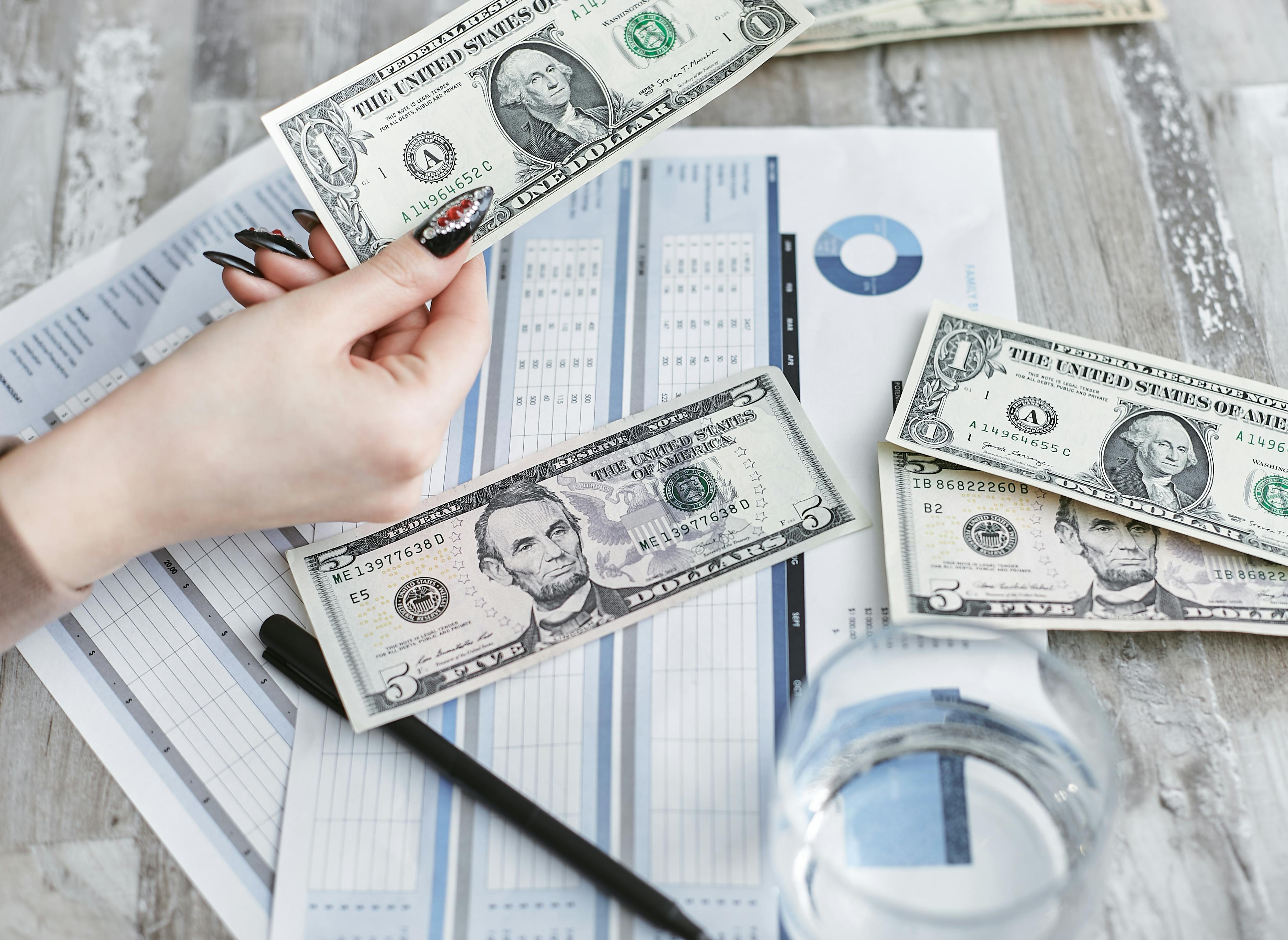
A 0.4 percentage point gap may not sound dramatic, but over time it compounds into a meaningful hit to living standards. Suppose that gap persists for several years. Workers would need to spend a larger share of income just to preserve the same standard of living. That reduces savings, delays debt payoff, and makes emergencies harder to absorb. A family that once had room in the budget for repairs, school expenses, or a weekend trip may suddenly find itself choosing between essentials.
This erosion is especially painful because inflation does not land evenly. Broad indexes like the Consumer Price Index capture the average change in prices across many categories, but households experience their own inflation rate depending on where they live and what they buy. Someone with high childcare costs, a long commute, or a recent rent increase can feel much worse than the national average suggests. In that sense, an official 3.8% inflation rate may understate the pressure on many working families.
There is also a timing problem. Prices often rise quickly and visibly, while wage adjustments come more slowly. Gasoline can jump in a week. Grocery items can ratchet up over months. Rent resets can lock in higher costs for a year. Pay, by contrast, is usually reviewed annually, and not everyone has bargaining power. That lag means workers can spend months absorbing higher costs before any wage increase appears, and even then the raise may only partly catch up.
Recent BLS data underscore how fluid this picture can be. In one release, real average hourly earnings increased 0.3% from March 2025 to March 2026 because hourly earnings rose 3.5% while CPI increased 3.3%. In another, median weekly earnings for full-time workers in the first quarter of 2026 were up 3.4% from a year earlier, compared with a 2.7% CPI increase over the same period. Those figures show that real wage growth can recover. But they also prove the broader point: when inflation moves above pay, households feel poorer immediately, and the emotional memory of that squeeze can outlast the month when the data finally turn positive again.
Why People Feel Worse Than the Headlines Suggest

This gap between official optimism and lived experience is not a mystery. It comes from the difference between aggregate economic storytelling and household budgeting. Macroeconomic data can say the labor market is resilient, unemployment is low, and wages are still rising. All of that can be true at once. Yet if essentials are eating up a bigger share of income, families do not experience resilience. They experience compression.
Housing is usually the clearest example. Rent is often the single biggest monthly expense, and when it rises faster than wages, everything else gets squeezed. Add higher utility bills, insurance premiums, and food costs, and suddenly the margin for error disappears. Even if inflation cools later, the higher price level remains. That is a crucial point many discussions gloss over: disinflation means prices are rising more slowly, not that they are returning to where they were before.
Behavior changes quickly under that pressure. Consumers trade down to cheaper brands, delay replacing cars and appliances, reduce dining out, and cut back on leisure spending. They may keep working and still feel poorer because the quality of life attached to each paycheck declines. Retailers and restaurant chains often notice this before policymakers do, because customers begin editing their baskets long before they stop spending altogether.
Psychology matters too. People are more sensitive to recurring losses than to abstract gains. A $40 jump in a weekly grocery bill is noticed immediately. A modest wage increase spread across pay periods may barely register, especially after taxes and benefit deductions. Reuters and other major outlets have repeatedly highlighted this disconnect in periods when real income pressure distorts consumer sentiment. People are not imagining the problem. They are reacting rationally to a world in which their income statement says “up,” but their standard of living says “down.”
That is why the wage-price gap deserves more attention than it gets. It explains weak consumer confidence during otherwise decent economic periods. It helps clarify why many workers reject the idea that a strong labor market automatically means broad prosperity. And it shows why political frustration can build even when traditional indicators appear stable. When the essentials of daily life outrun pay, the economy may still be functioning, but it no longer feels like it is working for ordinary people.
Who Gets Hurt Most When Inflation Beats Pay

Not all workers face this gap in the same way. Higher-income households generally have more room to absorb price shocks, larger savings cushions, and a greater share of spending in categories they can postpone. Lower- and middle-income households spend more of their income on necessities, which means inflation in food, rent, electricity, and transportation hits them with much greater force. For them, there is less slack in the budget and fewer painless places to cut.
Workers with fixed schedules and limited bargaining power are also vulnerable. Many salaried employees receive one annual adjustment, if any, regardless of how quickly costs move in between. Hourly workers in tight labor markets may occasionally gain leverage, but that advantage is uneven across industries and regions. Public-sector workers, contract employees, and workers in sectors facing weak demand often have little ability to push for raises that match rising living costs in real time.
Geography adds another layer. National inflation figures average together very different local realities. A 3.8% national increase can coexist with much sharper housing or insurance increases in specific cities and states. Likewise, wage growth differs across regions and occupations. BLS regional releases show these variations clearly. In March 2026, for instance, the Chicago metropolitan area posted a 4.1% increase in wages and salaries, above the national compensation growth rate. That kind of local strength matters, but it is not universal, and workers outside faster-growing markets may see a much weaker balance between pay and expenses.
Age and debt burdens matter as well. Younger workers managing student loans, rising rents, and expensive entry-level housing can feel trapped even if headline wages are improving. Older workers may face medical costs or caregiving responsibilities that general inflation data do not fully capture. Families carrying credit card balances suffer a double blow when prices rise and interest costs remain high, because a shrinking real paycheck makes debt harder to service.
The broader social effect is cumulative. When millions of households experience a quiet reduction in purchasing power, the result is not just personal stress. It is weaker savings, delayed household formation, reduced mobility, and less confidence in institutions. People begin to doubt whether effort is translating into progress. That erosion of trust is economically significant because modern consumer economies rely heavily on confidence. If households believe every raise will be swallowed by higher prices, they will spend, save, and vote differently.
What This Gap Means for the Economy Next

The wage-price gap is not merely a household budgeting issue. It is a signal about the quality of growth. Economies are healthiest when productivity, pay, and living standards rise together. They are more fragile when income gains look solid in nominal terms but fail to deliver real improvements. In that environment, consumers continue working, businesses continue hiring, and policymakers continue talking about resilience, yet the underlying mood remains brittle.
For central bankers, this creates a difficult balancing act. If inflation remains sticky, officials may keep monetary policy tighter for longer, hoping to prevent another acceleration in prices. But tighter policy can also slow hiring and wage growth. That leaves workers squeezed from both sides: prices remain elevated while bargaining power weakens. The ideal outcome is falling inflation without a sharp labor-market downturn, but history shows that landing softly is much easier to describe than to achieve.
For businesses, the lesson is straightforward. Compensation strategy cannot be judged only by the sticker value of a raise. Employers that want to retain staff need to understand what employees are actually experiencing in housing, commuting, healthcare, and food. A nominal pay increase that trails living costs may technically satisfy a compensation review but still feel like a cut. Over time, that hurts morale, retention, and productivity, even if the company believes it is being competitive.
For households, the practical takeaway is equally clear: watch real income, not just pay. The most useful question is not “Did I get a raise?” but “Can my paycheck buy more than it did a year ago?” That is the metric that shapes financial security. It determines whether savings can grow, whether debt can shrink, and whether families can plan beyond the next billing cycle.
And for the broader public conversation, this is the story that deserves more attention. A 3.4% wage gain sounds encouraging. A 3.8% rise in prices sounds manageable. But put them together and the meaning changes completely. The gap is where the lived economy resides. It is where optimism turns into frustration, where good headlines fail to persuade, and where millions of people decide that despite working hard and earning more, they are still moving backward. That is not a communication problem. It is the real economic story.