

The image was impossible to ignore once aerial photos surfaced. Four numbers, faint but unmistakable, turned a stretch of one of America’s most symbolic landscapes into the center of a fresh political storm.
A giant message appears in one of the country’s most visible public spaces
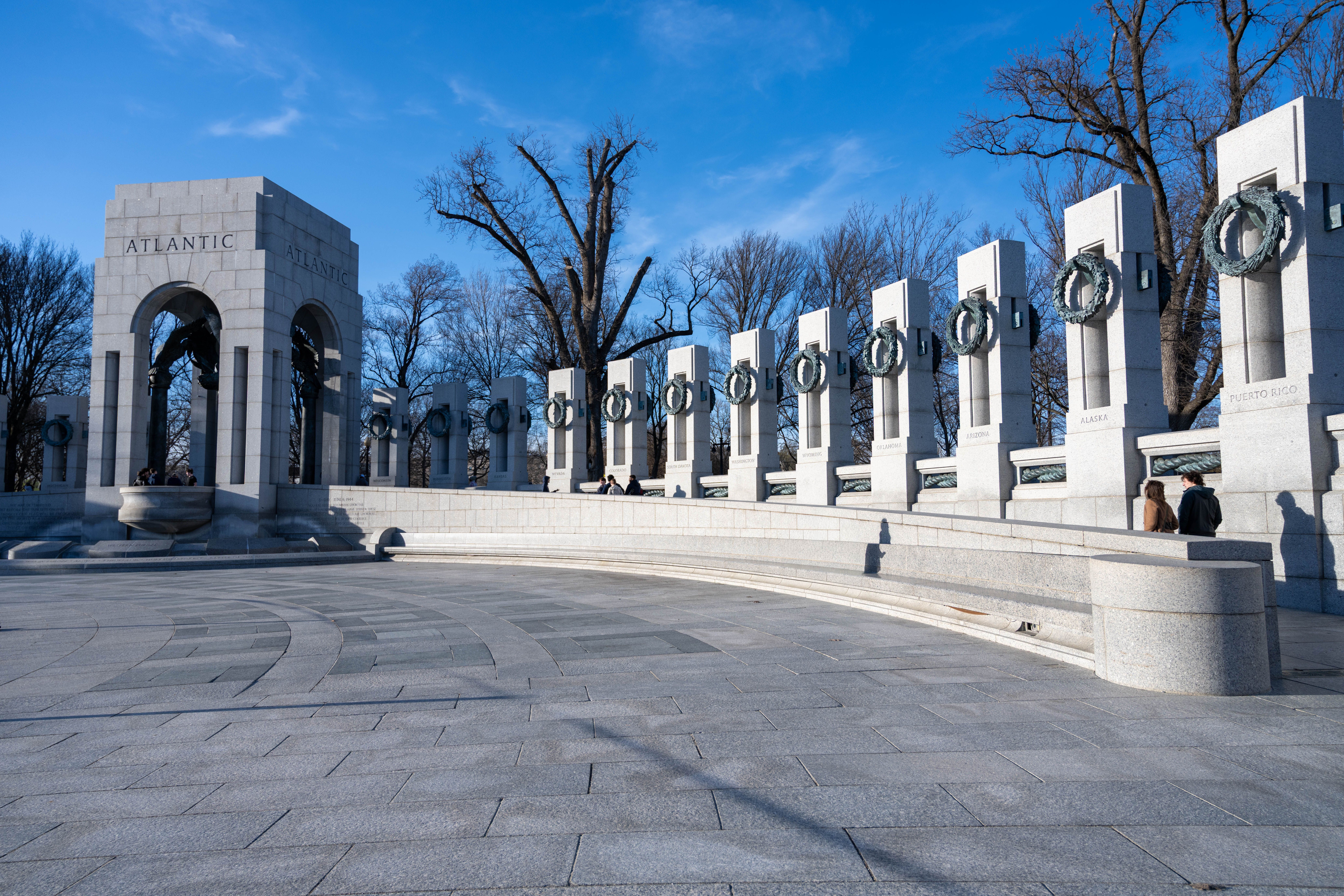
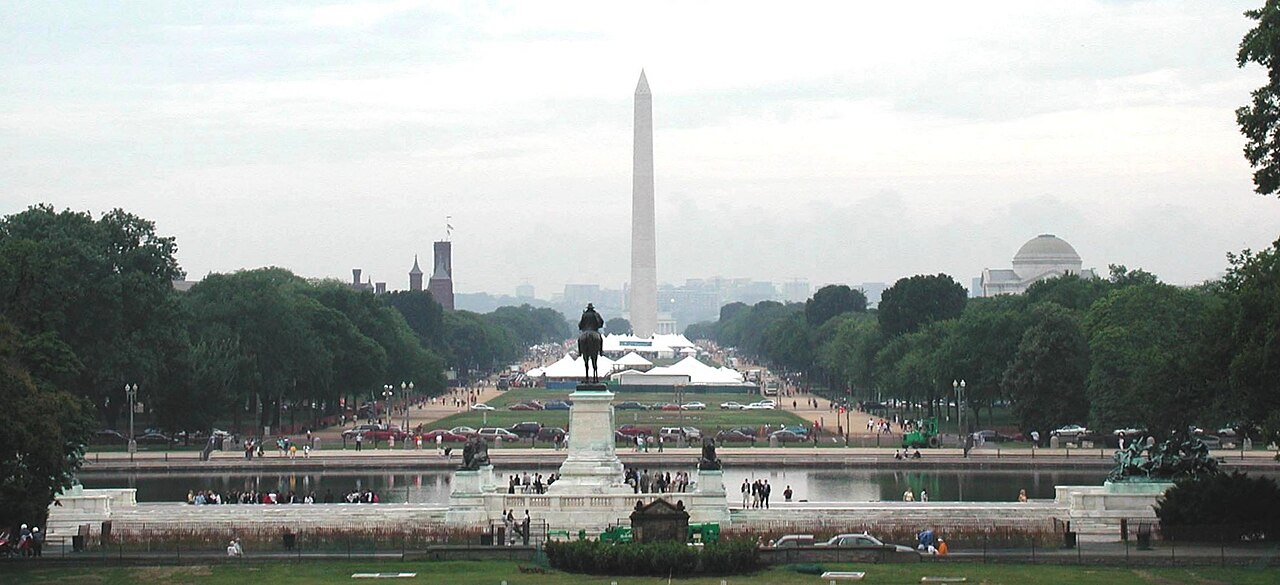
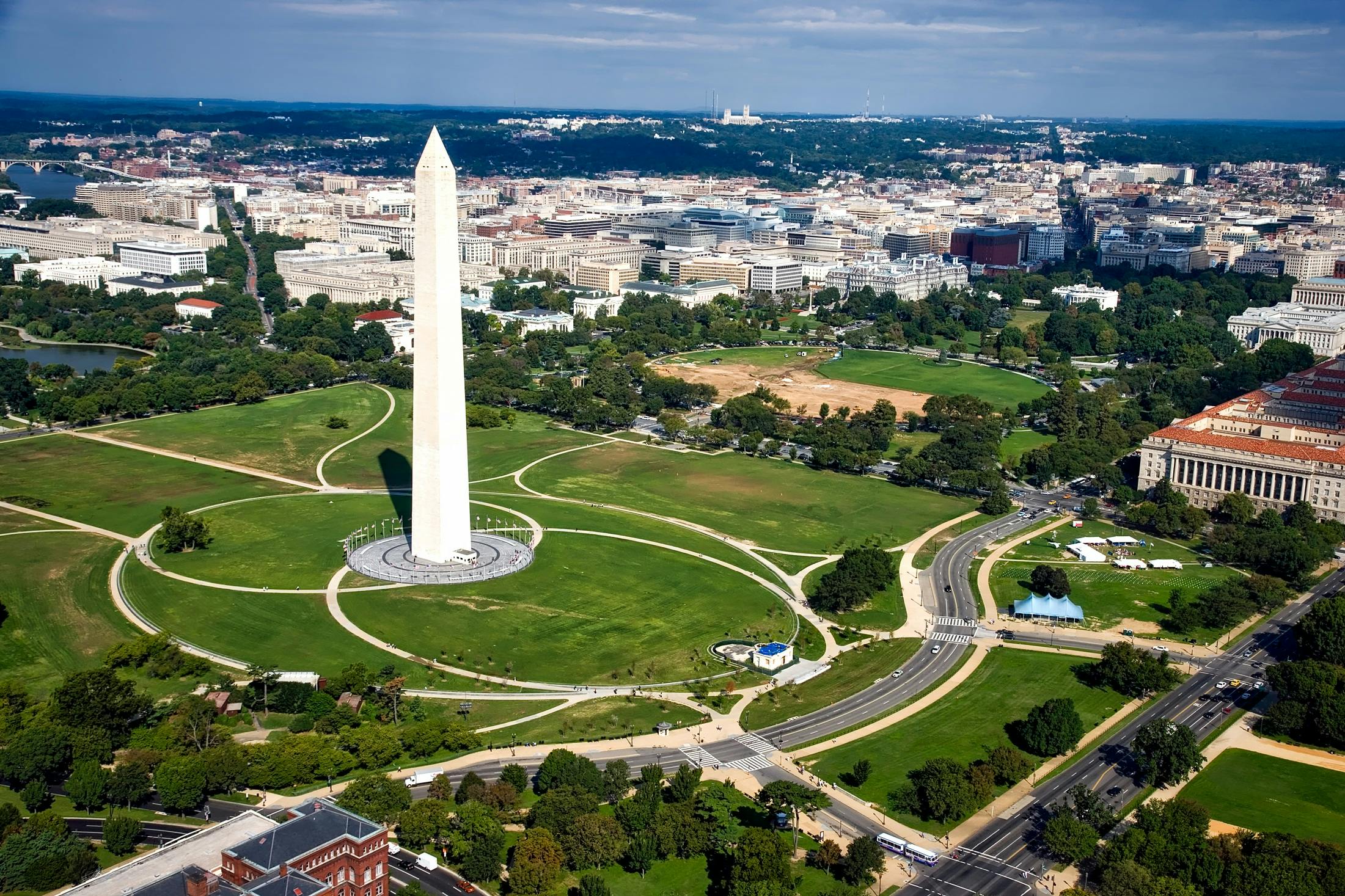
The markings appeared on the National Mall near the World War II Memorial, according to Reuters reporting published on June 11, 2026. A Reuters photographer atop the Washington Monument saw the numerals in the grass shortly before authorities arrived, and images quickly spread across newsrooms and social media feeds. From ground level, the message was far less obvious, but from above it read as a deliberate, oversized act.
The U.S. Department of the Interior said it was investigating what appeared to be a large tracing of “8647” into the grounds of the Mall. U.S. Park Police responded around 11:30 a.m., and multiple outlets, including The Washington Post and NBC Washington, reported that other emergency personnel and members of the National Guard were also seen at the scene. Officials said the cause of the grass discoloration had not yet been determined.
Interior officials described the act as vandalism and made clear they were treating it seriously. That response matters because the National Mall is not just another patch of urban lawn. It is federally managed civic ground, a place that carries ceremonial, historical, and constitutional significance far beyond its physical footprint.
That significance is also practical. The National Park Service says the National Mall and Memorial Parks receive an estimated 32 million visitors a year. A visual disruption there is not a local curiosity; it is a national image almost by definition.
Why the numbers “8647” carry such a charged political meaning

The uproar was never only about damaged grass. The power of the image comes from what many people believe the numbers mean: “86” as slang for removing, rejecting, or getting rid of something, and “47” as a reference to Donald Trump as the 47th president. That shorthand has circulated in political culture for months, and in some circles much longer.
As Reuters and other outlets noted, the phrase has increasingly been used by critics of Trump. But the meaning is contested, and that is part of why the National Mall incident exploded so quickly. To some, it reads as blunt anti-Trump protest language. To others, especially Trump allies, it suggests something darker and potentially threatening.
That argument had already been inflamed by a separate controversy involving former FBI Director James Comey. NBC’s reporting on the issue noted that federal charges tied to a 2025 social media post featuring “86 47” brought the phrase into a more legally and politically sensitive arena. By June 2026, the numbers were no longer obscure political slang; they were loaded shorthand in a country primed to read symbolism as intent.
That context explains why a lawn message could command immediate national attention. Numbers are often more potent than slogans because they invite interpretation while signaling insider knowledge. In polarized political environments, that ambiguity can make a message spread even faster.
The National Mall is more than scenery, and that shapes the reaction
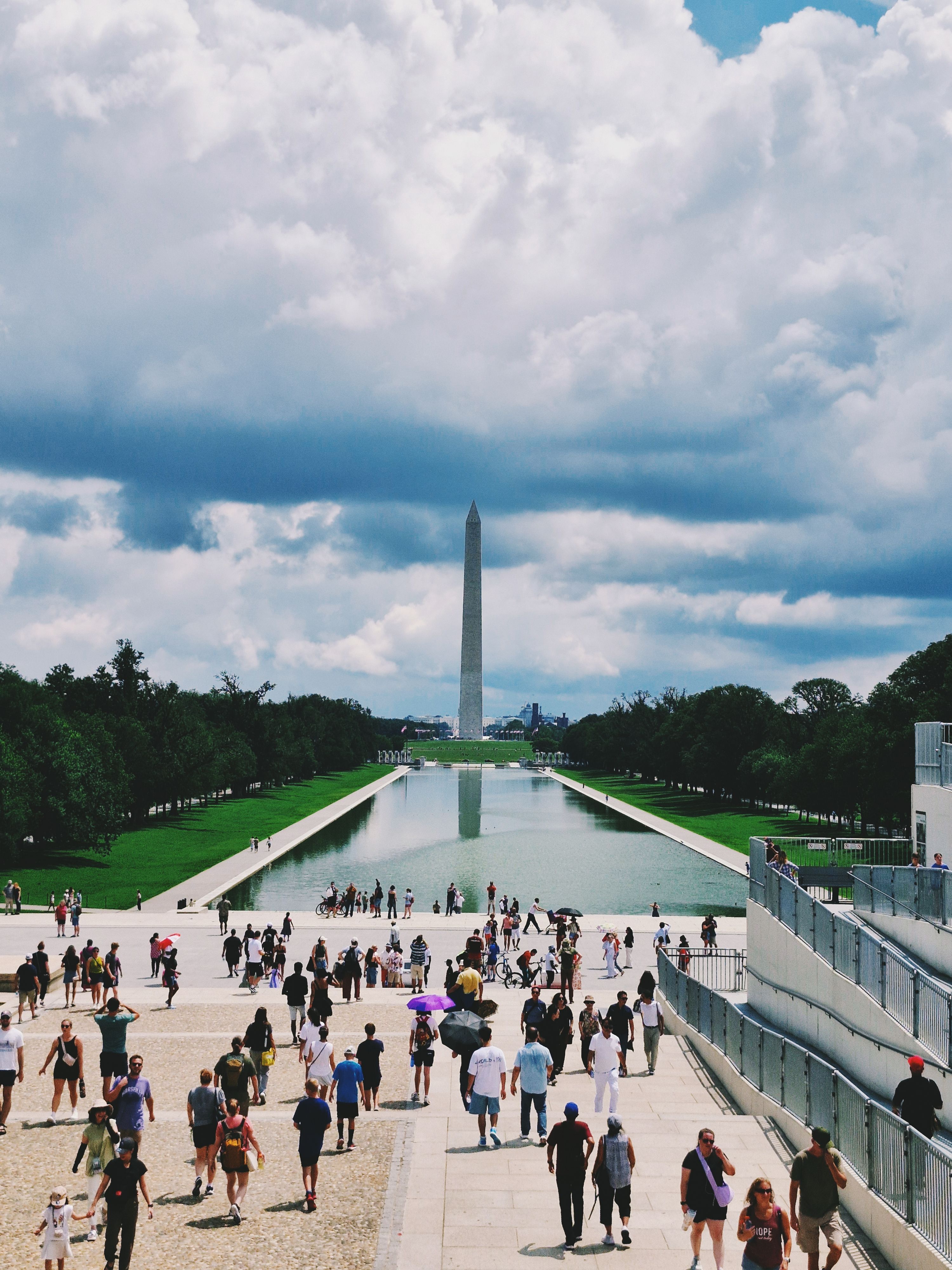
Part of the fascination comes from where this happened. The National Mall is sometimes called America’s front yard, but that phrase can undersell its role. It is the country’s grand public stage, the place of inaugurations, marches, memorial visits, military observances, festivals, and moments of mourning and protest that become part of the national memory.
Because of that, any alteration to the Mall reads symbolically whether intended or not. A protest sign waved there vanishes in hours. A phrase cut or chemically traced into the grass suggests duration, planning, and spectacle. It also changes the relationship between protest and place by turning the landscape itself into the medium.
Timing adds another layer. Reuters reported that the Mall is preparing to host the Great American State Fair, a 16-day event scheduled from June 25 to July 10, 2026, as part of the broader 250th-anniversary programming. That means the grounds are already under heightened scrutiny, with federal agencies balancing security, appearance, logistics, and politics in one of the country’s busiest ceremonial corridors.
In that environment, the “8647” marking becomes more than vandalism or message. It becomes a test of how the government manages public symbolism on contested ground. Every response, from investigation to cleanup, inevitably carries political meaning of its own.
Why people cannot stop talking about it
The story has the ingredients of a modern fixation: a cryptic message, a famous setting, a visible aerial image, and a political code that many Americans recognize but interpret differently. It is both visual and arguable, which is exactly the kind of story that thrives in a fragmented media landscape. People are not just reacting to what they see; they are debating what they are allowed to conclude from it.
There is also an unusual tension between scale and subtlety. The marking was huge enough to be news, yet not fully legible from ordinary ground-level viewing. That made the discovery feel covert and theatrical at the same time. It looked less like a traditional demonstration and more like an intervention designed for photographs, helicopters, and drone-era attention.
Public fascination also reflects a broader exhaustion with symbolic escalation in American politics. Small gestures now routinely generate large interpretive battles. A number, a meme, a coded phrase, or a piece of visual shorthand can instantly become evidence, provocation, or identity marker depending on who is looking.
In that sense, the “8647” saga is about more than one act on one lawn. It reveals how Americans now process public meaning: quickly, emotionally, and through lenses shaped by distrust. The numbers etched into the grass were static, but the national reaction around them has been anything but.
What this episode says about protest, power, and public memory
At its core, this story forces an old question into a new form: what counts as political expression in a democracy’s most sacred common spaces? The National Mall has long hosted intense disagreement, but most of that history involved bodies, voices, banners, and permitted demonstrations. Altering the landscape itself crosses into a different category, one that most officials will define as defacement rather than speech.
Still, the fascination persists because the act was aimed at the overlap between public space and public memory. The Mall is designed to project permanence, national continuity, and civic order. Marking it with a disputed anti-presidential message challenges all three at once. Even people who dislike the method can understand why it landed so forcefully.
What happens next will matter. Investigators will try to determine how the discoloration was created, whether chemicals were used, and who was responsible. The cleanup will likely be straightforward compared with the political afterlife of the image, which now joins a long list of moments when symbolic acts on national ground outgrew their physical scale.
That may be the real reason the story keeps circulating. “8647” is not just a number sequence in damaged grass. It is a snapshot of an era in which public spaces, coded language, and political identity collide instantly and visibly, with the entire country invited to argue over what it means.