


A few seconds of reckless behavior turned into a life-altering shooting. The newly released Pasadena video is shocking not only for what it shows, but for what it suggests about firearms discipline inside a police department.
What Happened Inside the Pasadena Police Garage

The incident took place on September 7, 2025, inside the Pasadena Police Department’s parking garage before the night shift began. According to ABC7 Los Angeles and FOX 11, dashcam footage shows a patrol car pulling up behind two officers who were standing near another vehicle. One of the standing officers quickly drew his handgun and pointed it toward the patrol car before holstering it again.
Police Chief Gene Harris said the officer seated in the patrol car then drew his own firearm while still in the driver’s seat. The weapon discharged through the windshield and struck the other officer in the shoulder. CBS Los Angeles reported that the department described the episode as unsafe, out-of-policy horseplay involving loaded firearms.
The injured officer survived and has since recovered, according to Chief Harris. ABC7 reported that the officer who fired the shot was identified as Roy Alatorre and was fired from the department. FOX 11 also reported that administrative discipline was completed, while the Los Angeles County District Attorney’s Office continued reviewing whether criminal charges were warranted.
The release of the video came in June 2026, roughly nine months after the shooting. Pasadena officials said the delay was tied to the need to protect the integrity of the investigation, even as California law generally requires law enforcement agencies to release critical incident video within 45 days. That timing has become part of the controversy surrounding the case.
Why the Video Hit Such a Nerve
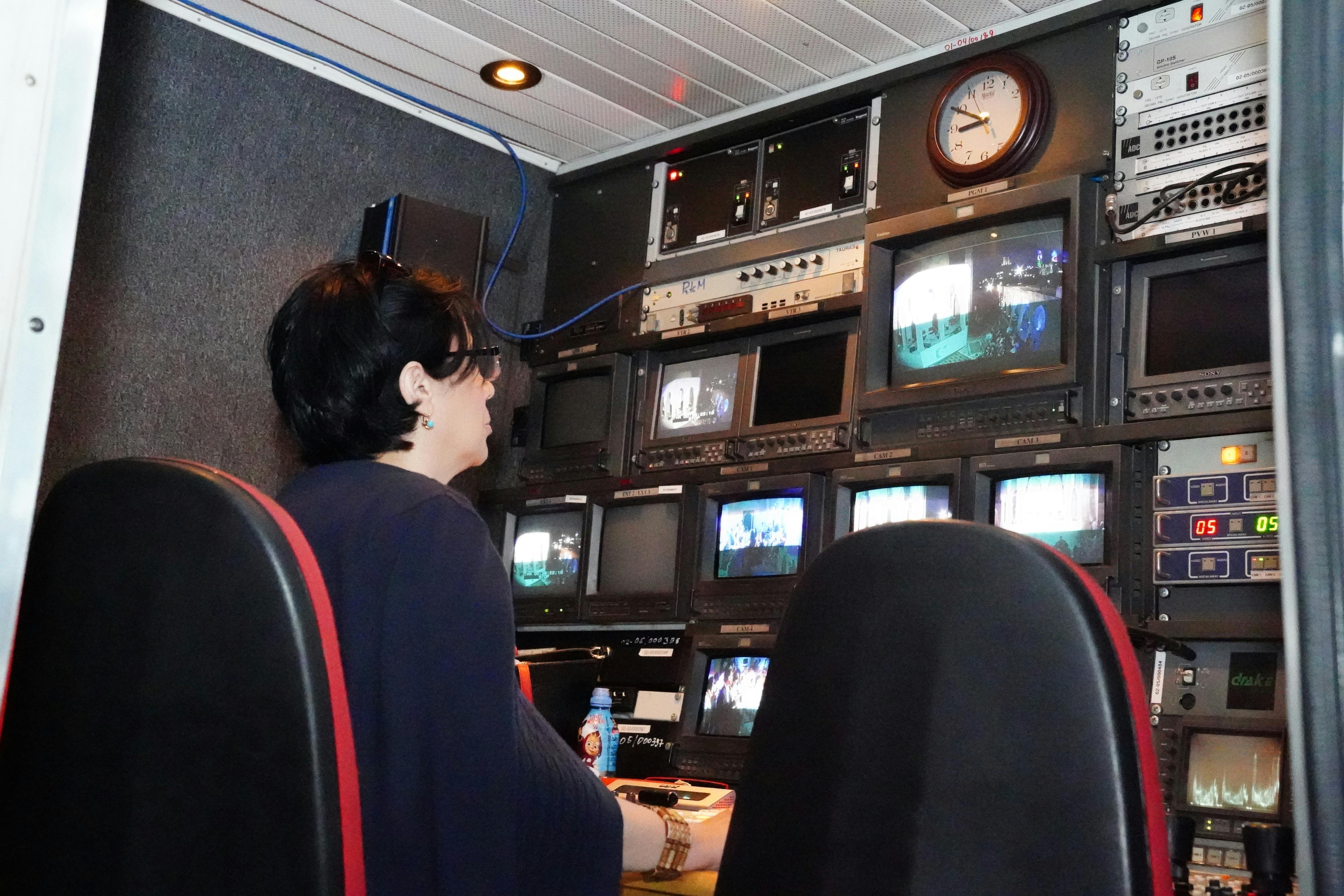
The footage resonated so strongly because it contradicts the image of constant tactical control that police departments project. In the video, the officers do not appear to be confronting a threat, making an arrest, or reacting under pressure. Instead, the gunfire emerged from a casual interaction in a controlled department setting, which made the lapse look even more avoidable.
Chief Harris publicly condemned the behavior, saying horseplay and failures to follow safety rules would not be tolerated. Pasadena Mayor Victor Gordo was equally blunt, calling the conduct extremely unacceptable behavior and saying the injured officer was lucky to be alive. Those statements underscored how seriously city leaders viewed the incident once the video became public.
The phrase horseplay itself has drawn attention because many viewers see it as too soft for conduct involving loaded service weapons. When a firearm is pointed at another person, even briefly and jokingly, the risk is immediate and catastrophic. That language matters because it shapes how the public interprets whether police leaders are minimizing misconduct or confronting it honestly.
Video also has a way of collapsing bureaucratic distance. A written report can sound clinical, but footage of a shot fired through a windshield and an officer clutching his shoulder brings the danger into unmistakable focus. In this case, the images did more than document the event; they forced a wider conversation about professionalism and trust.
The Larger Questions About Police Training and Culture
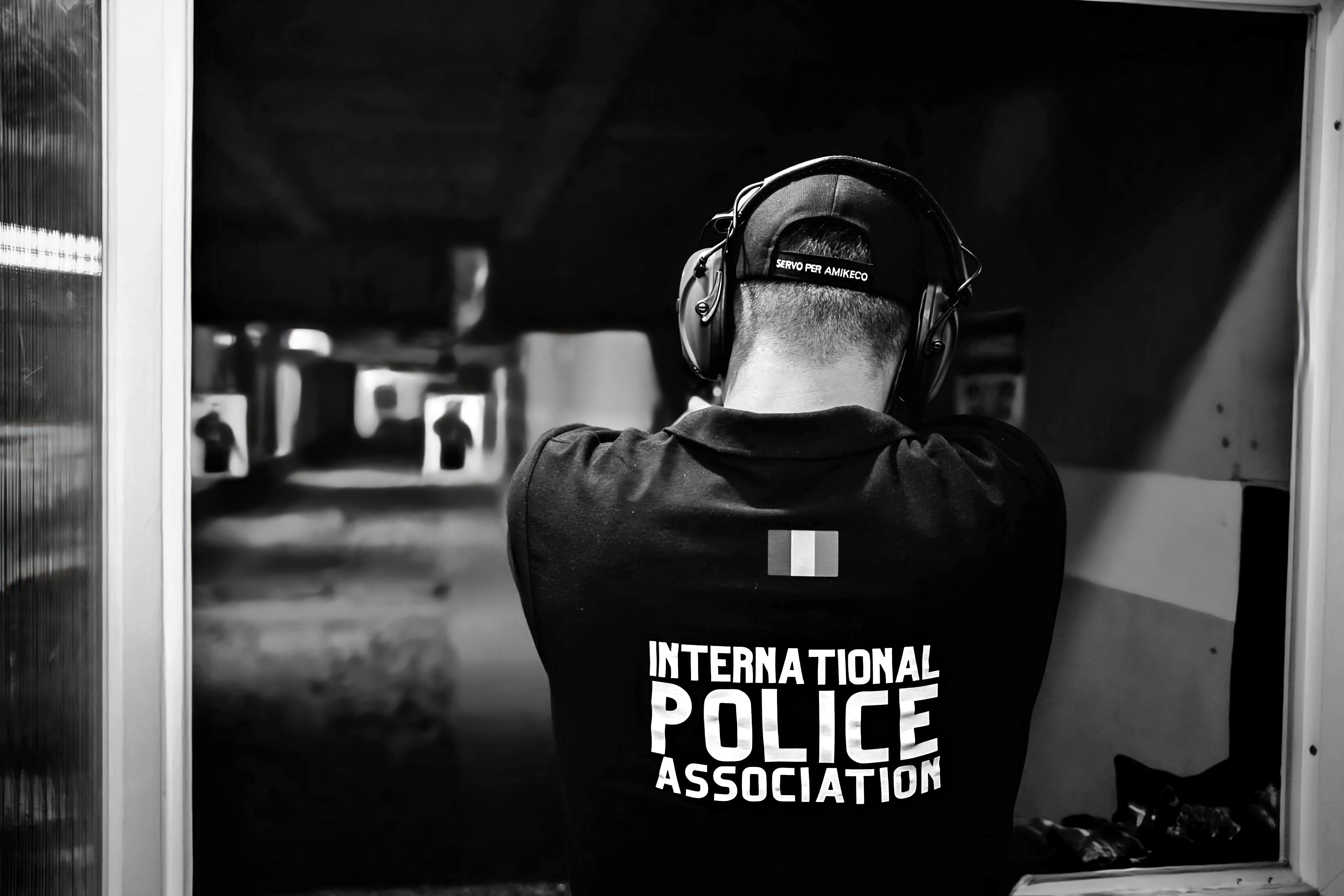
Basic firearms safety principles are not complicated: never point a gun at anything you do not intend to shoot, and always treat every firearm as loaded. What makes the Pasadena case so disturbing is that these are foundational rules, not advanced tactics. The alleged conduct shown in the video suggests a breakdown not merely of judgment, but of culture.
Police departments spend heavily on range training, qualification standards, and use-of-force instruction. Yet incidents like this reveal that technical training alone is not enough if informal behavior inside a department tolerates shortcuts, bravado, or joking with weapons. A culture problem often appears in the ordinary spaces of police work, such as locker rooms, garages, briefing areas, and downtime before shifts.
That is why leadership responses matter as much as discipline after the fact. If supervisors do not intervene early against smaller acts of carelessness, risk can normalize. The Pasadena case appears to show precisely the kind of informal environment where unsafe conduct can flourish until it produces a disastrous outcome.
For the public, the case raises an uncomfortable question: if officers can disregard gun safety among colleagues in a secure garage, what confidence should residents have in split-second discipline on the street. That may be an inference rather than a proven conclusion, but it helps explain why the video has become more than a local embarrassment. It has become a credibility test.
Accountability, Transparency, and the Criminal Review

One major issue now is whether internal discipline is enough. Pasadena has said the officer who fired is no longer employed by the city, and the administrative investigation is complete. But both ABC7 and FOX 11 reported that the criminal investigation and force review were still pending as of June 11, 2026.
That distinction matters because employment consequences and criminal liability are not the same thing. A firing addresses departmental standards, while a criminal review asks whether the conduct violated the law. In police cases, the public often watches closely for consistency, comparing how officers are treated with how civilians might be charged after a negligent shooting.
Transparency is another central issue. CBS Los Angeles reported that the department framed the video release as part of maintaining public trust. Yet the long gap between the September 2025 shooting and the June 2026 release has fueled skepticism, especially because California’s disclosure rules generally push agencies toward earlier release of critical incident video.
Even so, the publication of the footage has given the public something concrete to assess rather than leaving the matter to rumor or internal summaries. That does not erase concerns about timing, but it does show how video evidence can reshape accountability. Once people can see the conduct for themselves, official language is tested against reality.
What This Incident Means Beyond Pasadena

This shooting is likely to linger because it touches several broader anxieties at once: gun safety, police culture, transparency, and unequal accountability. It is not a conventional officer-involved shooting with a suspect, a chase, or a rapidly evolving threat. It is a case about preventable recklessness in a place where discipline should have been at its highest.
For police leaders elsewhere, the lesson is clear. Departments cannot assume that formal rules are enough if everyday norms allow officers to handle weapons casually. Preventing another incident like this requires more than annual training. It requires supervision, early correction, and a culture in which unsafe behavior is challenged immediately, regardless of rank or familiarity.
For the public, the Pasadena video is a reminder that trust is built not only on how police respond to danger, but on how they behave when no danger exists. Competence is measured in routine moments as much as in emergencies. In that sense, the most revealing part of the video is not just the shot itself, but the ease with which the situation escalated.
The case is still unfolding, and the outcome of the district attorney’s review will determine whether the consequences extend beyond termination and internal discipline. But the core fact is already established in the public mind: a loaded gun was used irresponsibly, a fellow officer was wounded, and the video made the failure impossible to explain away.