

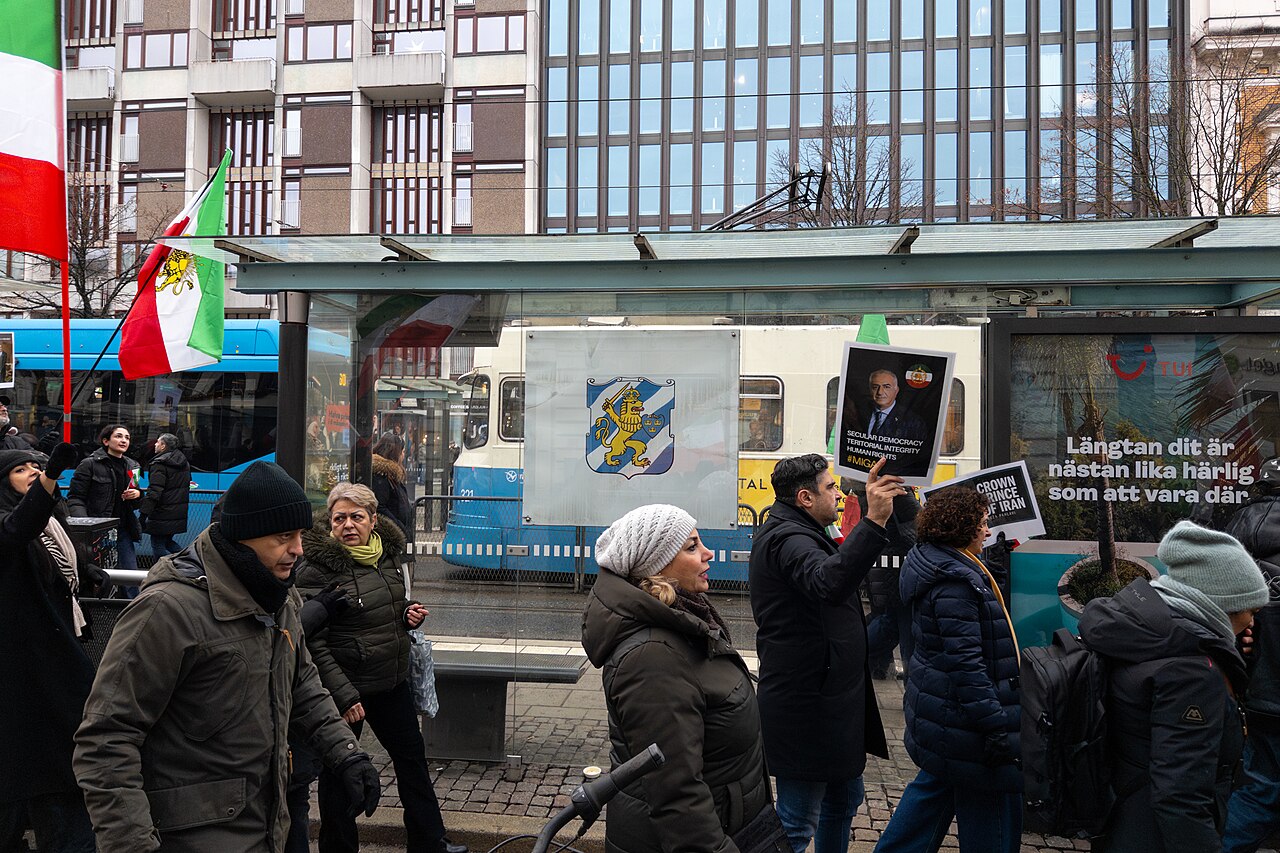
The promise of peace has not brought calm to Iran. For many ordinary citizens, the talks have only sharpened the gap between diplomatic headlines and daily hardship.
A weary public is running out of patience

Across Iran, frustration has been building for months as people absorb the combined strain of war, sanctions, inflation, and uncertainty. Recent reporting from the Associated Press described a population living between exhaustion and confusion, with many households struggling to keep up with rapidly rising food costs and the broader economic fallout from the conflict. Even when diplomatic progress is announced, relief often feels distant.
That disconnect matters. A ceasefire may look meaningful from negotiating rooms in Doha, Islamabad, or Geneva, but in Iranian cities the central question is more practical: will life become affordable again? Families facing job losses, disrupted supply chains, and shrinking purchasing power are less interested in symbolic breakthroughs than in visible improvements at the market, the pharmacy, and the fuel station.
The result is a public mood shaped not only by fear of renewed fighting, but by disappointment with the slow pace of change. Many Iranians appear to want peace urgently, yet they also doubt whether talks alone can reverse the damage already done.
The economy is turning anger into a political force
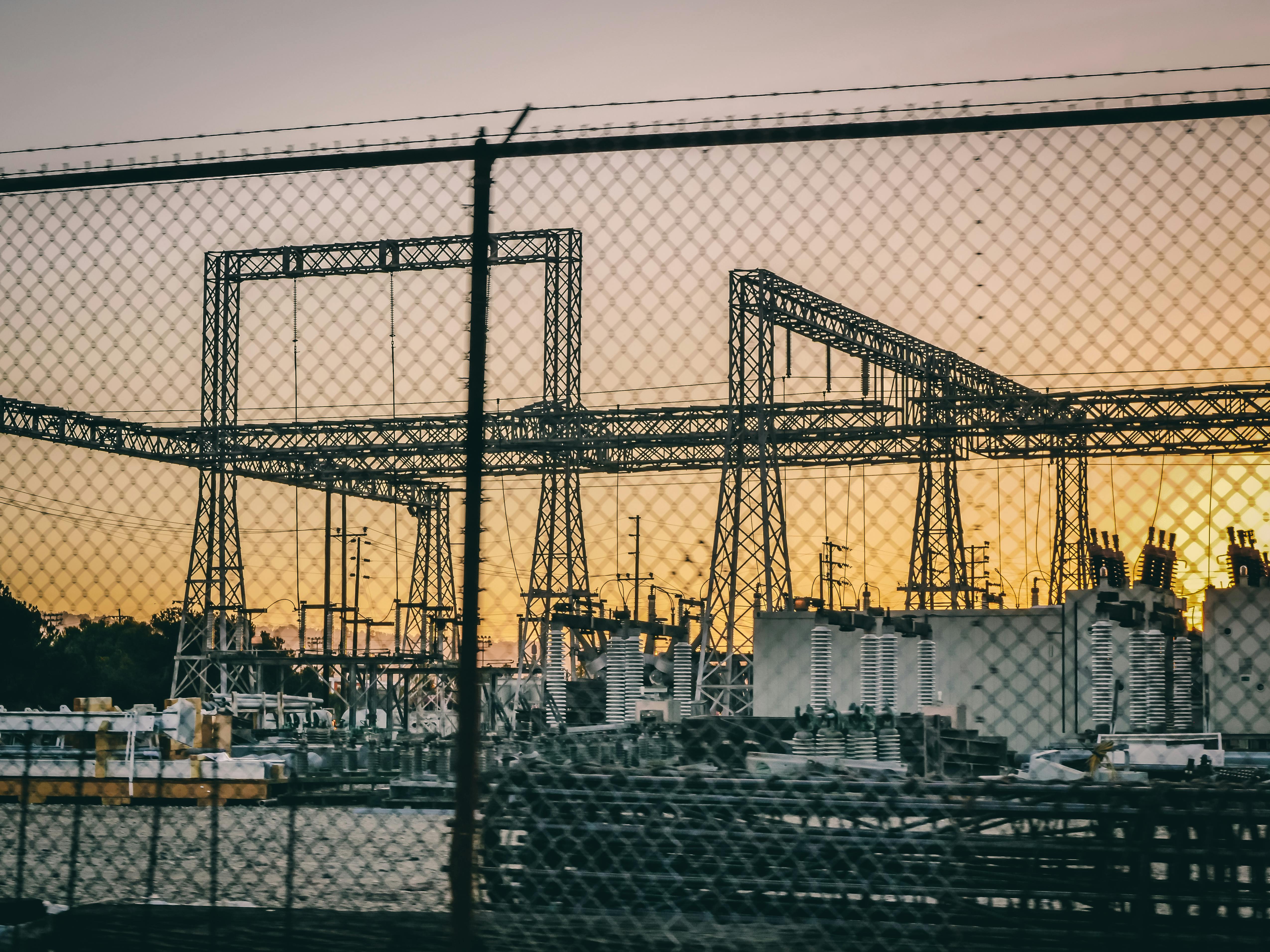
Economic pain is the clearest driver of public resentment. AP reporting in recent weeks has pointed to triple-digit food inflation, business closures, and strikes on petrochemical, steel, and energy infrastructure that have amplified existing weaknesses in the Iranian economy. Sanctions and blockade-related disruptions have further restricted oil exports and imports of raw materials, placing pressure on both large industries and small traders.
For ordinary workers, the crisis is no longer abstract. When wages buy less every month, public frustration hardens quickly. Shopkeepers, transport workers, manufacturers, and salaried families all feel the shock differently, but the political effect is similar: confidence erodes when the state cannot stabilize prices or restore normal economic rhythms.
That is why sanctions relief has become such a critical issue in the peace process. Iranian negotiators are under domestic pressure to secure concrete economic benefits, not just a pause in hostilities. If talks produce only temporary de-escalation without meaningful financial breathing room, public anger is likely to intensify rather than fade.
Peace talks offer hope, but the deal remains fragile
The latest developments have given Iranians reason for cautious optimism, but not certainty. On June 15, 2026, the United States and Iran reached an initial agreement aimed at extending their ceasefire and reopening the Strait of Hormuz, according to AP. The arrangement still faces important obstacles, and implementation appears tied to additional meetings and a formal signing expected later in the week.
That uncertainty is central to the public mood. Iranians have already lived through rounds of negotiations that raised expectations and then stalled. AP reported in April that earlier talks ended in disappointment, leaving many citizens defiant but discouraged. The pattern has created a credibility problem: each diplomatic announcement is measured against past letdowns.
Complicating matters further is the regional picture. Continued Israeli military activity in Lebanon and the broader instability surrounding Iran mean that even a bilateral understanding with Washington may not produce immediate calm. In practical terms, many Iranians see the talks not as a finish line, but as one fragile step in a much wider crisis.
Daily life has become a test of endurance
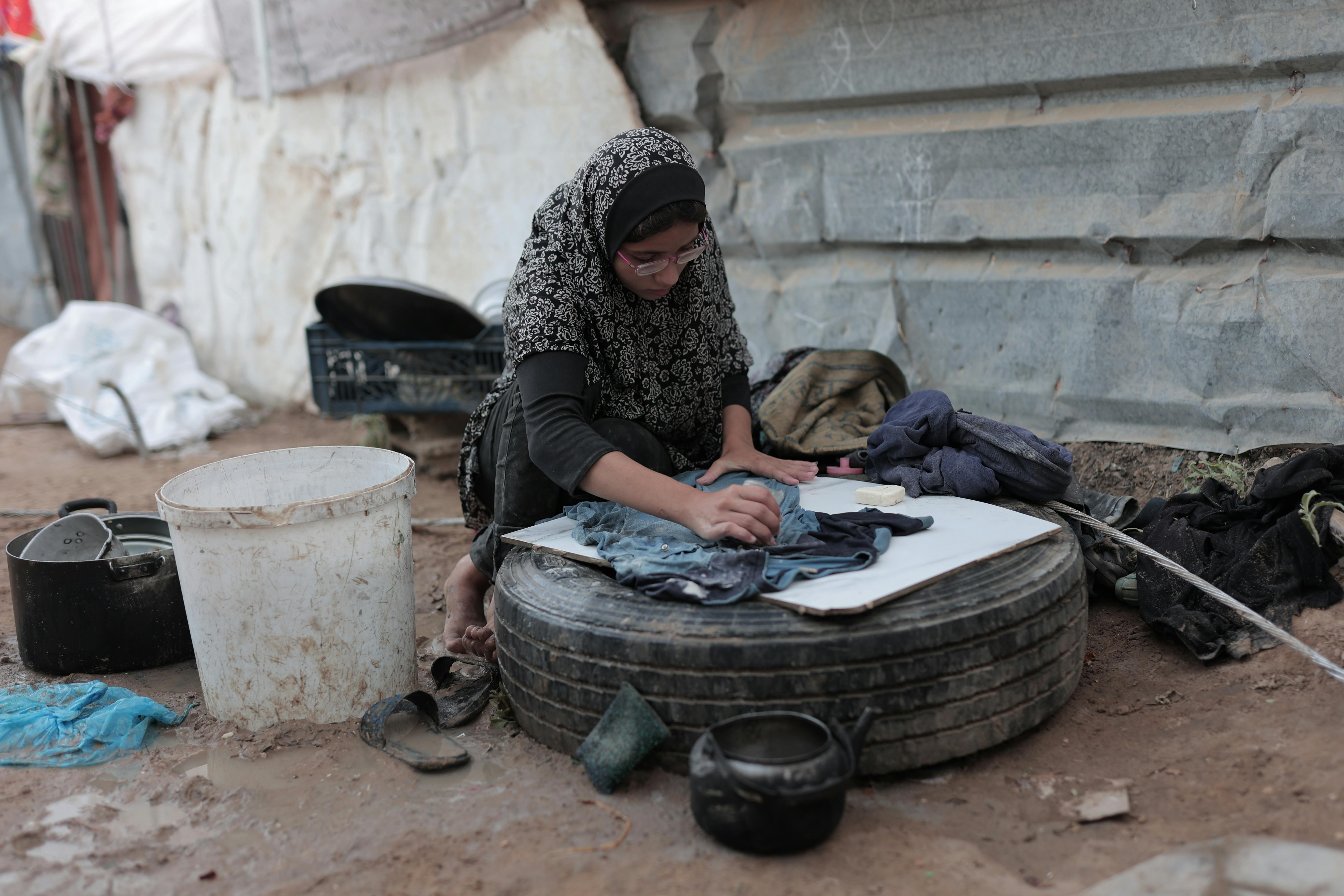
Public frustration is not only about politics or ideology. It is about the pressure of living through constant disruption. Reports from inside Iran describe households adapting to shortages, uncertainty, and the emotional wear of conflict layered onto long-running economic strain. For many, the war has deepened an already difficult reality rather than created a temporary emergency.
This kind of pressure reshapes social behavior. People postpone purchases, cut back on food and travel, delay medical care, and avoid business risks. Even those who support a firm national stance can become angry when daily sacrifices appear endless and the rewards unclear. Endurance, once framed as patriotic resilience, starts to look like involuntary decline.
That is why public frustration can broaden quietly before it erupts visibly. It does not require dramatic street scenes to become politically significant. A country can remain outwardly controlled while inwardly losing trust, and Iran increasingly appears to be facing that kind of slow-burning domestic strain.
Iran’s leaders face a narrowing window
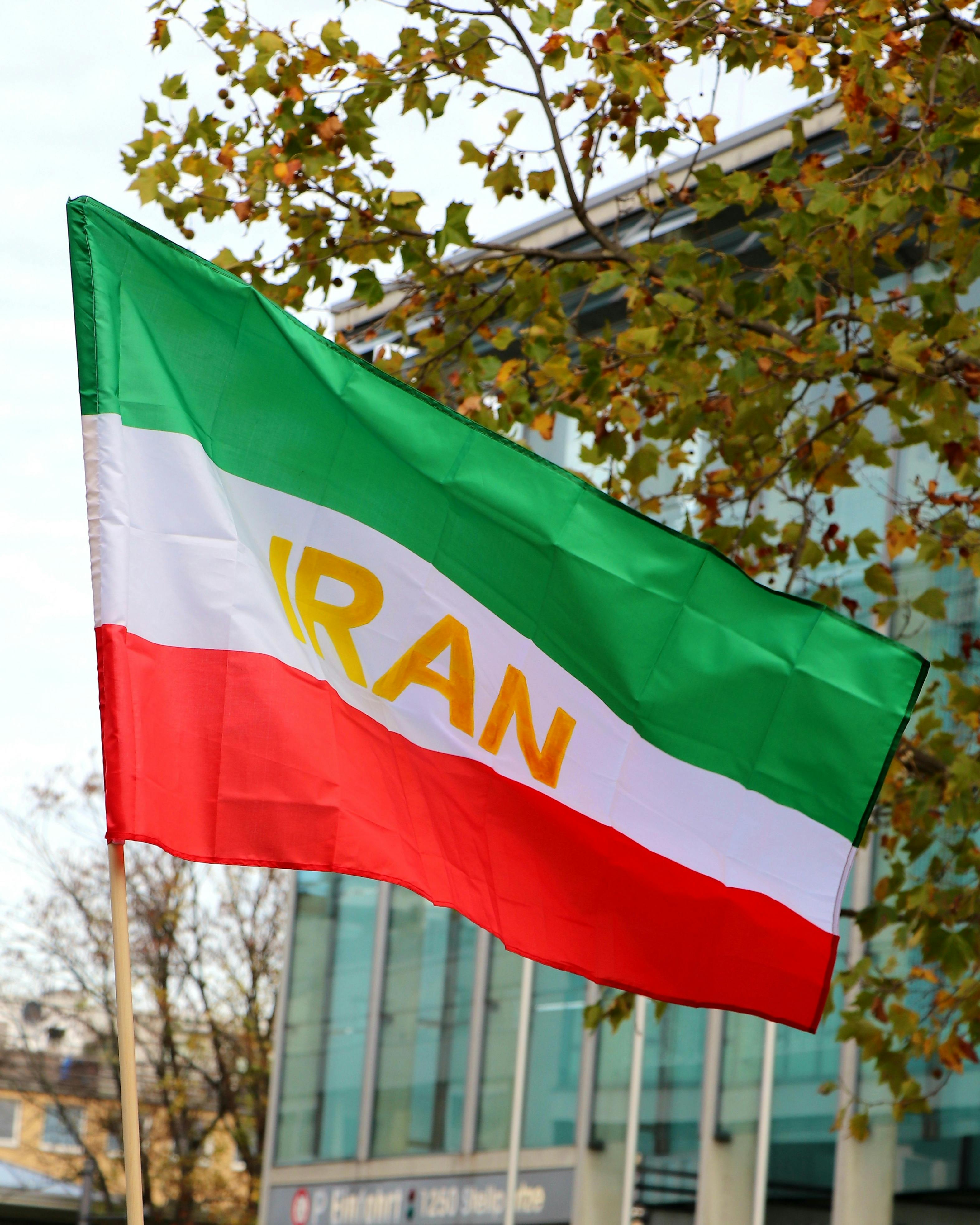
Iranian officials are now managing two pressures at once: negotiating externally while containing domestic discontent at home. The leadership needs a deal that can be presented as dignified and strategically sound, but also materially beneficial. Asking the public to absorb more hardship without clear results is becoming harder, especially after months of war-related disruption and economic deterioration.
This creates a narrow political window. A deal perceived as too weak could invite criticism from hard-liners and ordinary citizens alike, though for different reasons. Yet failure to secure an agreement could be even more dangerous if it prolongs inflation, shortages, and business decline. In that sense, diplomacy is no longer only foreign policy; it is an urgent tool of domestic stabilization.
The challenge is credibility. Official appeals for patience work best when people see evidence that relief is coming. Without that evidence, frustration becomes a referendum on competence. The government may still retain coercive and institutional control, but social patience is clearly under strain.
What happens next will shape more than the ceasefire

The next phase of talks will likely determine whether public frustration eases or intensifies. AP has reported that technical discussions over Iran’s nuclear program and the implementation of the broader agreement could stretch on for 60 days. That timeline may be manageable for diplomats, but it is far less comfortable for citizens already living under severe economic and psychological pressure.
If the agreement leads to a real reopening of trade routes, reduced military risk, and phased economic relief, the government may recover some breathing space. Markets tend to respond quickly to improved expectations, and even modest stabilization could change the public mood. But if delays, disputes, or renewed violence derail the process, disappointment could deepen fast.
The central reality is simple: Iranians do not need more rhetoric about peace. They need proof that peace can improve everyday life. Until that happens, frustration will remain one of the most important forces shaping Iran’s future.