

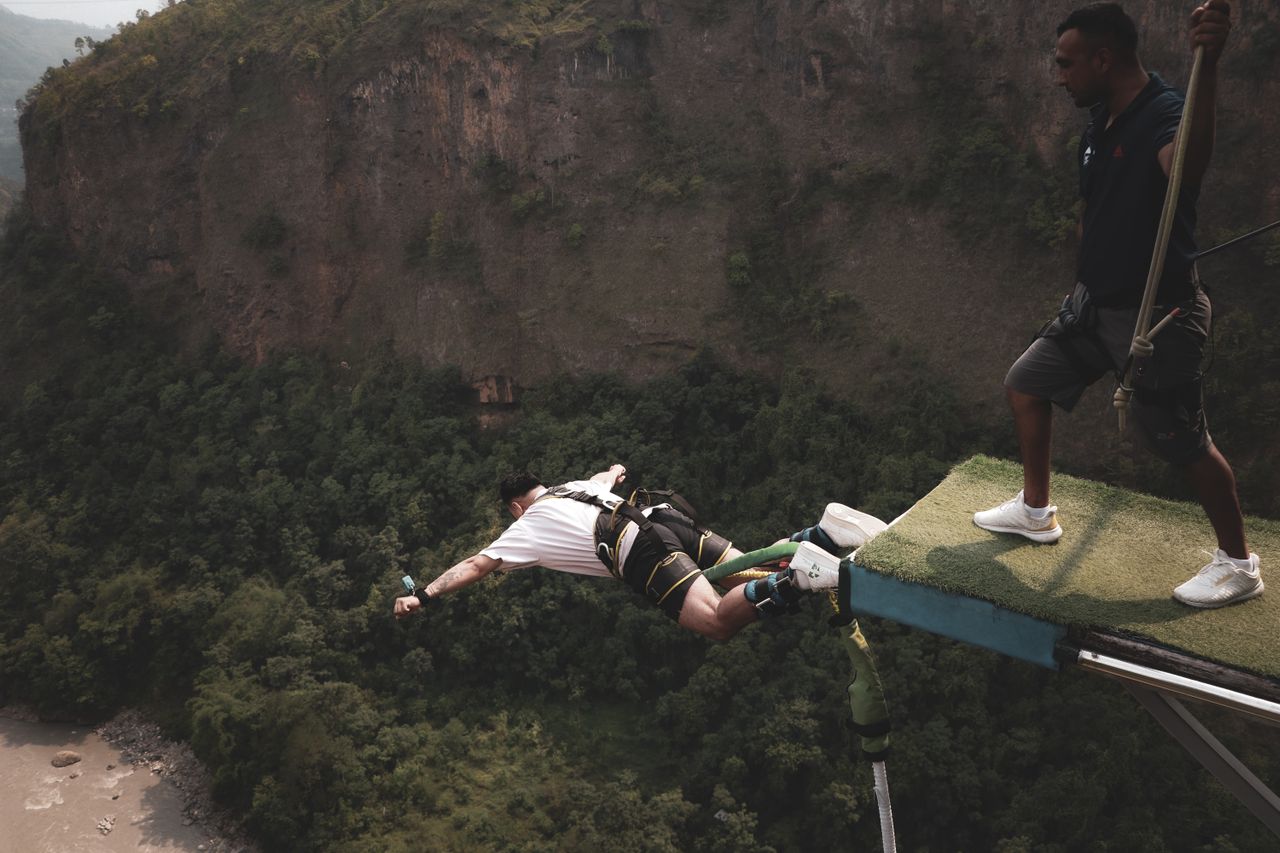
The video is shocking, but the deeper story is even more disturbing. In Brazil, the death of a 21-year-old woman during a rope-jump activity has become a national warning about negligence, regulation, and the risks hidden behind thrill-seeking entertainment.
What happened at the bridge in Brazil

Brazilian authorities say the victim, Maria Eduarda Rodrigues de Freitas, 21, died after taking part in a rope-jump activity at the Ponte do Esqueleto, or Skeleton Bridge, in Limeira, in the interior of São Paulo state. According to reporting from the Associated Press, ABC News and CBS News, instructors launched her from the bridge before the safety system had been properly secured.
Witness accounts cited by major outlets describe a chaotic scene that unfolded in seconds. Video recorded by bystanders appears to show two operators holding the woman horizontally at the edge before releasing her. Moments later, people nearby can be heard reacting to the absence of the rope attachment, underscoring how catastrophic the lapse was.
Emergency crews responded, and multiple reports said she died at the scene from severe trauma after falling roughly 30 to 40 meters. The case drew immediate public attention not only because of the fatal error itself, but because the footage circulated almost instantly across social media, where viewers described it as a surreal and preventable tragedy.
Why was this not a typical bungee jump
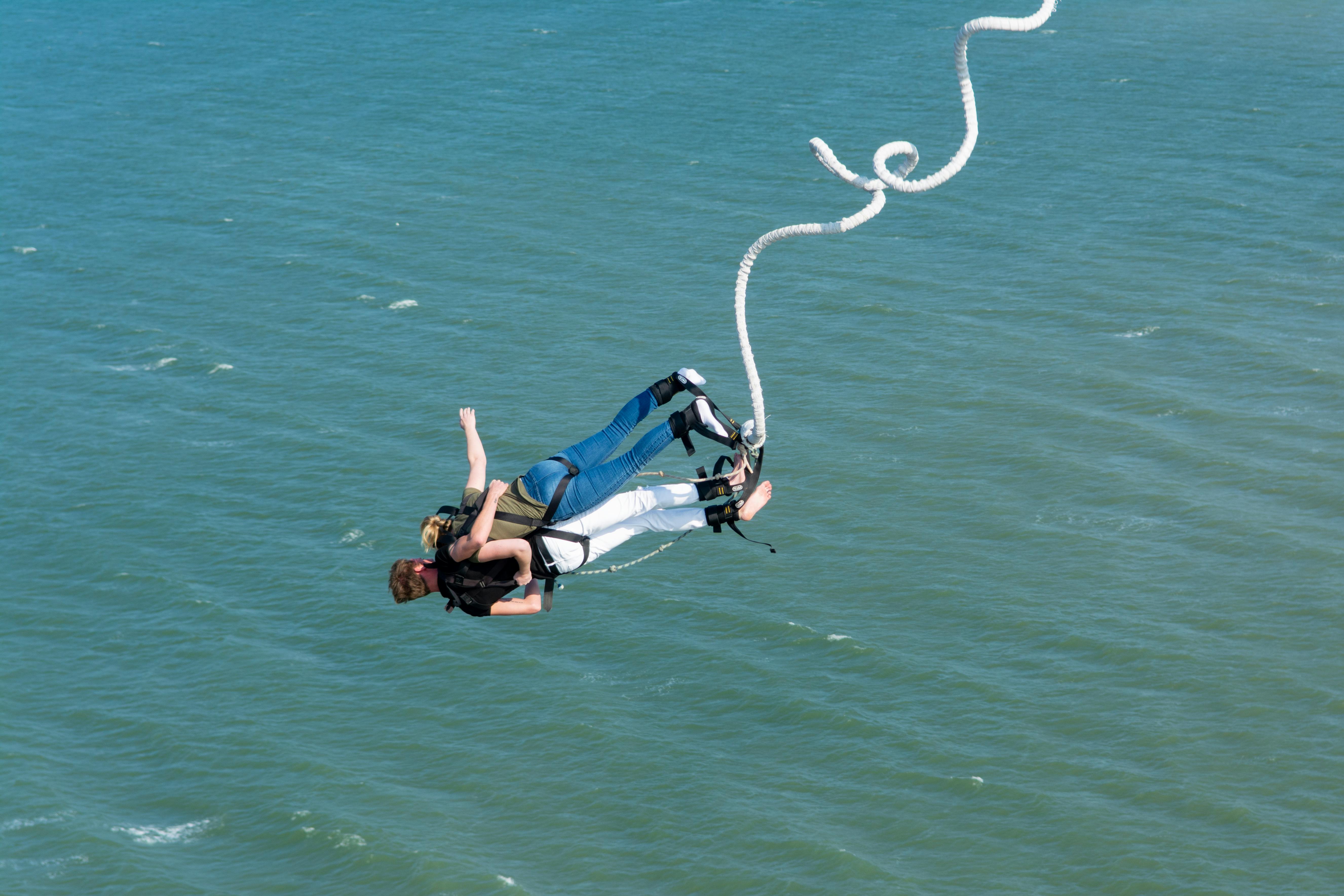
Although many headlines have called it a bungee-jumping death, several news organizations noted that the activity was more accurately described as rope jumping. That distinction matters. In rope jumping, the participant is attached to a less elastic rope, producing a swing-like motion rather than the rebound most people associate with classic bungee jumping.
Even with those differences, the core safety principle is the same: no participant should ever be released until multiple attachment points and system checks are verified. Experts routinely stress that extreme-sport operations depend less on daring than on discipline. The equipment can only work if trained staff follow strict procedures every single time.
That is why this incident has resonated so strongly. The public sees not an unavoidable equipment malfunction, but what appears, based on early police and witness accounts, to be a breakdown in basic human verification. When a sport markets adrenaline as controlled danger, the control element is everything. Remove that, and the activity becomes something else entirely.
The investigation and what authorities are examining

Brazilian media reports summarized by international outlets indicate that police detained several people connected to the operation after the incident. Coverage from AP and other organizations also said investigators were examining whether the company involved had proper authorization to conduct this type of high-risk activity at the site.
One crucial line of inquiry is procedural: who checked the harness, who checked the rope, and who gave the final go-ahead. In industries where one missed step can kill, safety systems are supposed to compensate for human error through redundancy. That means verbal confirmations, visual checks, documented protocols, and a final stop authority if anything looks wrong.
Authorities are also likely to examine the venue itself, staff training, maintenance logs, and whether prior warnings existed. Some reports in the broader media environment have suggested the location had drawn concern before, though the most reliable early reporting has focused primarily on the immediate failure that caused the fall. As the investigation develops, the legal consequences may hinge on whether officials conclude this was negligence, unauthorized operation, or both.
Why the viral video has amplified public anger

Graphic footage changes the scale of a tragedy. A fatal accident that might once have remained a local news story can now become a global event within hours, shaped by reposts, reaction clips, and outrage-driven commentary. In this case, the viral spread of the video has transformed public grief into a wider debate about accountability.
Part of the anger comes from the clarity of what viewers believe they are seeing. The footage appears to capture a failure so basic that it is difficult for ordinary people to understand how trained operators could miss it. That visual immediacy has made the story especially potent because it removes any abstraction about what went wrong.
But virality also creates ethical problems. Videos of real deaths often circulate without consent from families and can reduce a victim’s final moments to a spectacle. News organizations have generally reported the case without emphasizing the graphic content, a distinction worth noting. Responsible coverage informs the public; indiscriminate sharing can deepen trauma while adding little factual value.
What this case says about extreme sports safety culture
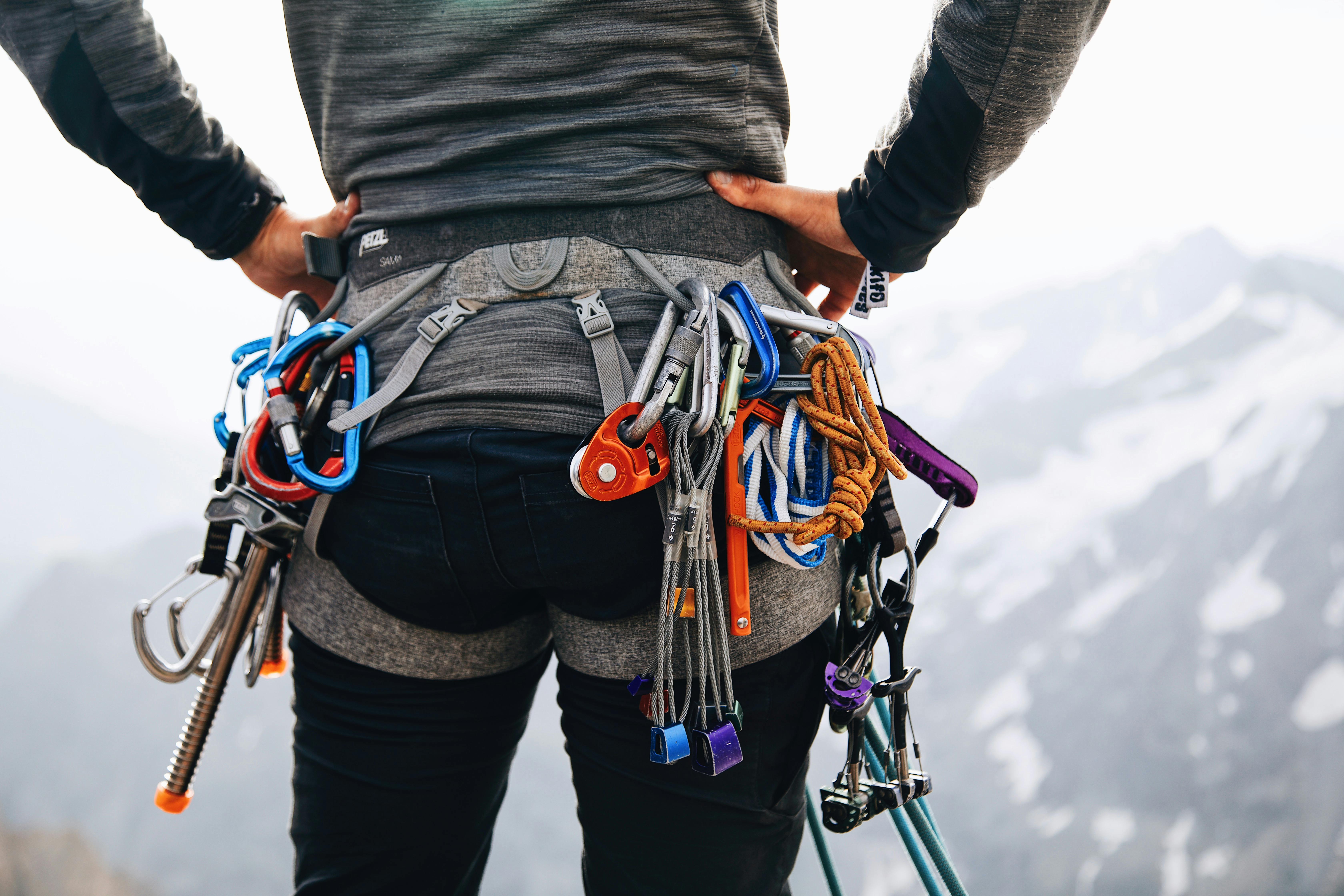
Extreme sports are not inherently reckless. When run properly, they are tightly choreographed activities governed by engineering standards, weather assessments, weight calculations, equipment inspections, and repeated operator drills. The strongest safety cultures treat routine as sacred precisely because familiarity can breed complacency.
This tragedy highlights the danger of normalization. If staff perform dozens of jumps, they may begin to rely on habit instead of process. That is when preventable mistakes slip through. Aviation, diving, climbing, and amusement-ride operations all rely on checklists for the same reason: memory is fallible, especially under pressure or distraction.
For consumers, the lesson is uncomfortable but important. Participants often assume that a commercial operator has already solved every risk worth worrying about. Usually, that assumption is reasonable. Yet this case is a reminder to ask direct questions: Is the company licensed? What checks are done before release? Who gives final clearance? A reputable operator should welcome those questions, not brush them aside.
The broader lesson after a preventable death

The death of Maria Eduarda Rodrigues de Freitas is not simply a viral story from Brazil. It is a case study in how a leisure activity can become fatal when oversight, training, or authorization fails. According to early reporting from major outlets, the central issue was not hidden complexity but an apparent failure to secure the system meant to keep her alive.
That is why the incident has struck such a nerve. People can accept that dangerous activities carry residual risk. What they struggle to accept is the possibility that someone paid for an experience marketed as professionally managed and was then exposed to a basic, avoidable error. The difference between risk and negligence is morally significant, and the public recognizes it immediately.
As investigators continue their work, the most meaningful response will not be online shock alone. It will be whether operators, regulators, and consumers demand stricter verification, clearer licensing, and nonnegotiable safety discipline. Viral attention fades quickly. The obligation to prevent the next death should not.