

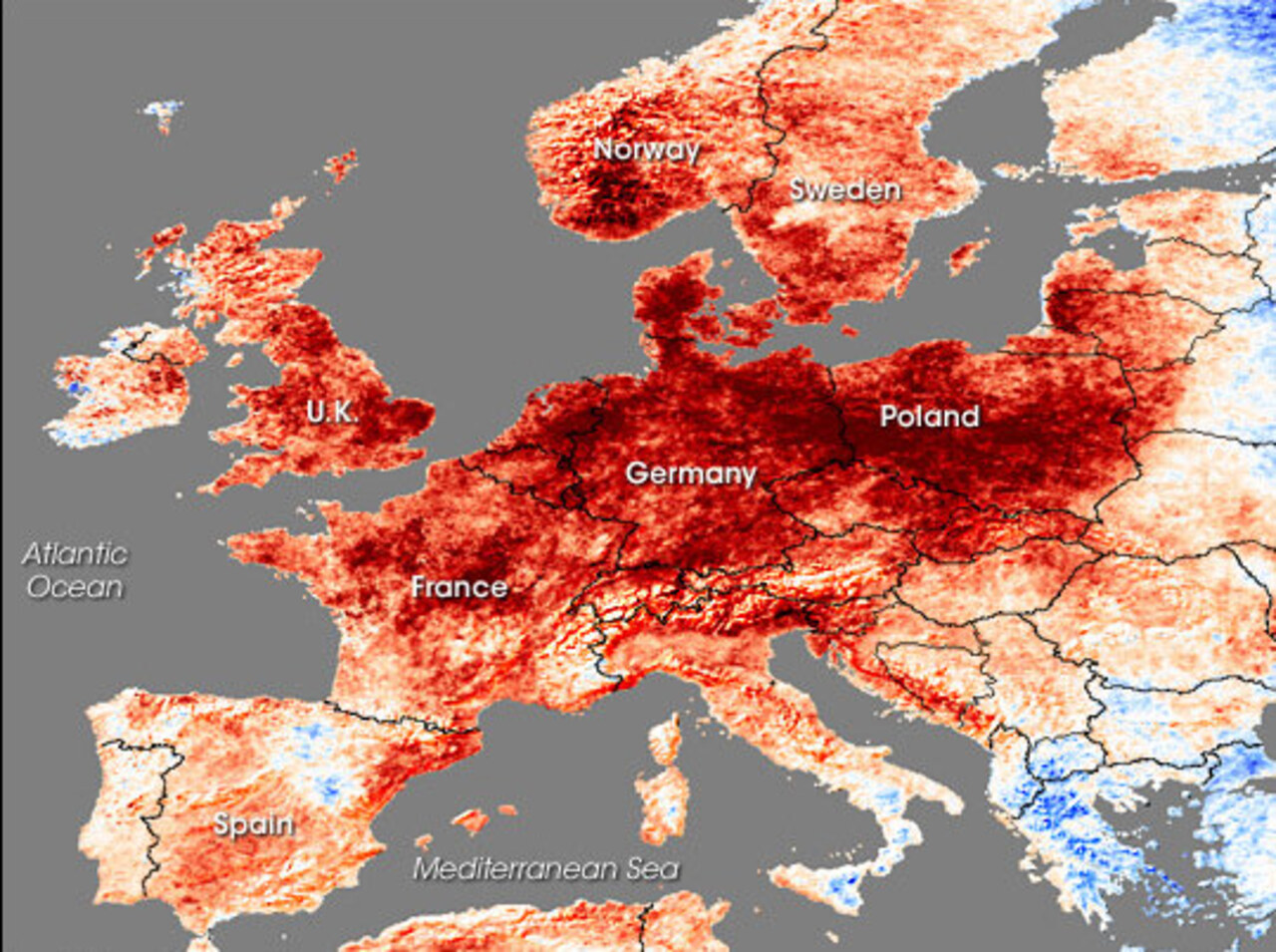
The heat is arriving early, and it is not subtle. In many places, summer conditions are already setting records before the season has officially begun.
Why this early heat wave stands out

What makes this stretch of heat remarkable is not only the temperatures themselves, but the timing. Meteorologists typically expect major heat episodes to intensify after the summer solstice, when land surfaces have had more time to warm. Instead, cities across the U.S., parts of Europe, and sections of Asia have already seen readings more typical of July or August.
According to national weather agencies and reporting from Reuters in recent years, early-season heat tends to be especially dangerous because people are less acclimated. Homes may not yet be cooled consistently, schools and outdoor workplaces may still be on spring schedules, and local governments are often still ramping up summer response plans. That combination turns a hot forecast into a public safety issue quickly.
This kind of heat also feels more severe because overnight lows often stay elevated. When temperatures fail to cool meaningfully after sunset, buildings retain heat, the human body struggles to recover, and heat stress compounds over multiple days. That is often the difference between an uncomfortable spell and a truly hazardous one.
The climate signal behind the season shift

Scientists have been clear that climate change does not create every hot day, but it makes heat extremes more frequent, more intense, and more likely to occur earlier or later than historical norms. A warming atmosphere loads the dice. When favorable weather patterns develop, they now do so on top of a hotter baseline.
That baseline matters. If average temperatures have already risen, then the threshold for breaking records becomes easier to cross. A heat dome, dry soils, clear skies, and sinking air can all still drive a heat event, but the resulting numbers are higher than they would have been decades ago. That is why record highs are being challenged in months once considered transitional.
Researchers have also pointed to feedback loops that amplify heat. Drier ground means less moisture is available for evaporation, so more solar energy goes directly into heating the air. Urban surfaces such as asphalt and concrete intensify this effect further. The result is a season that can feel as though it starts earlier, lasts longer, and cools less reliably at night.
Cities are feeling the worst of it first
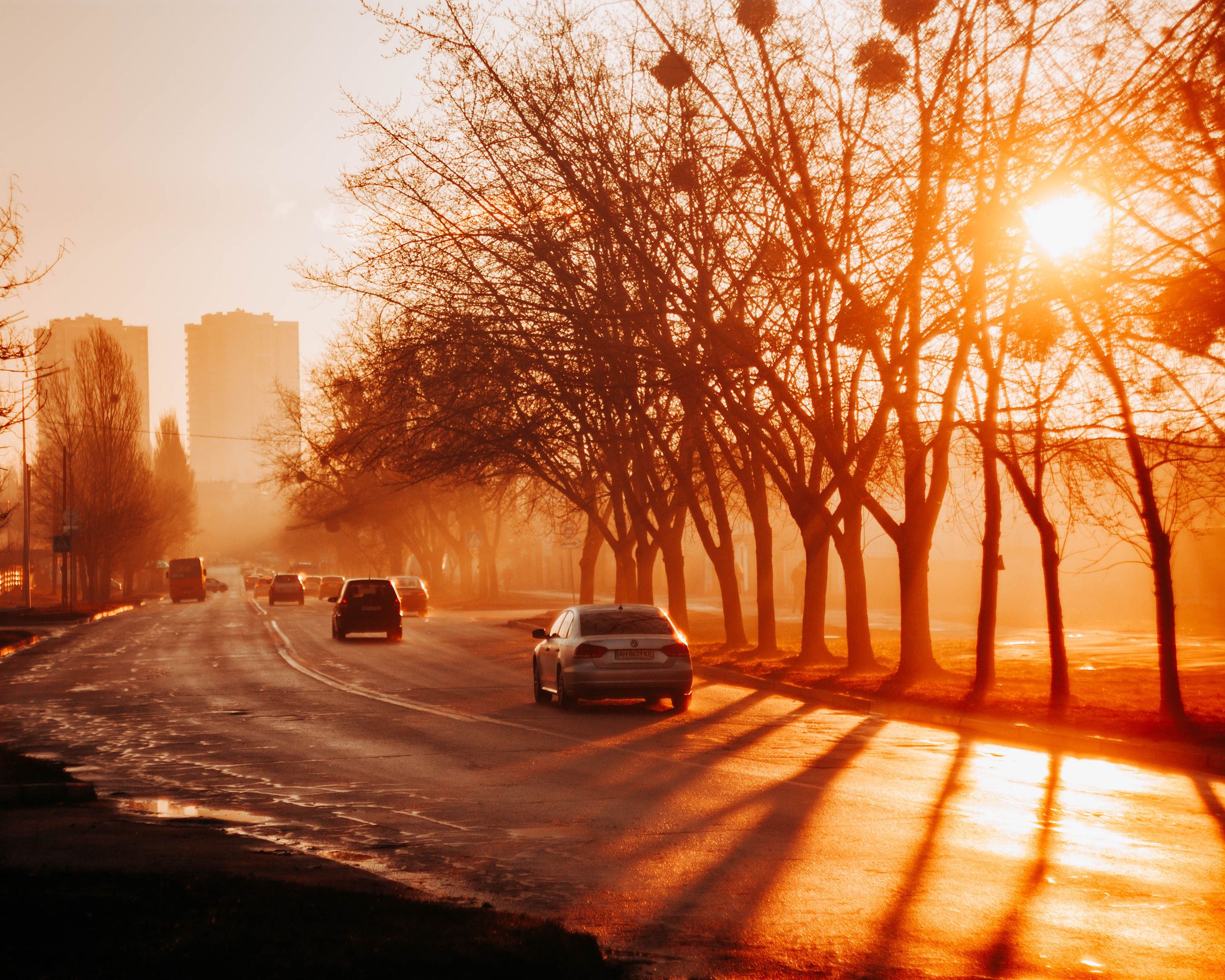
Urban areas are often the first places where early heat becomes dangerous. The urban heat island effect can raise temperatures several degrees above surrounding rural zones, especially after dark. Dense construction, limited tree cover, traffic emissions, and heat-absorbing surfaces combine to keep neighborhoods hot long after sunset.
That burden is not shared evenly. Lower-income communities often have fewer shaded streets, older housing stock, and less access to efficient air conditioning. Public health experts have repeatedly warned that heat is one of the deadliest weather hazards precisely because its impacts build quietly and fall hardest on vulnerable populations, including older adults, children, outdoor workers, and people with chronic illness.
Cities are responding, but often unevenly. Cooling centers, expanded pool hours, misting stations, transit outreach, and utility shutoff protections can save lives when deployed early. Yet the challenge is scale. A metro area of millions cannot rely solely on emergency measures if weeks of dangerous heat start becoming normal before summer has even officially arrived.
Power grids, water systems, and work routines are under strain
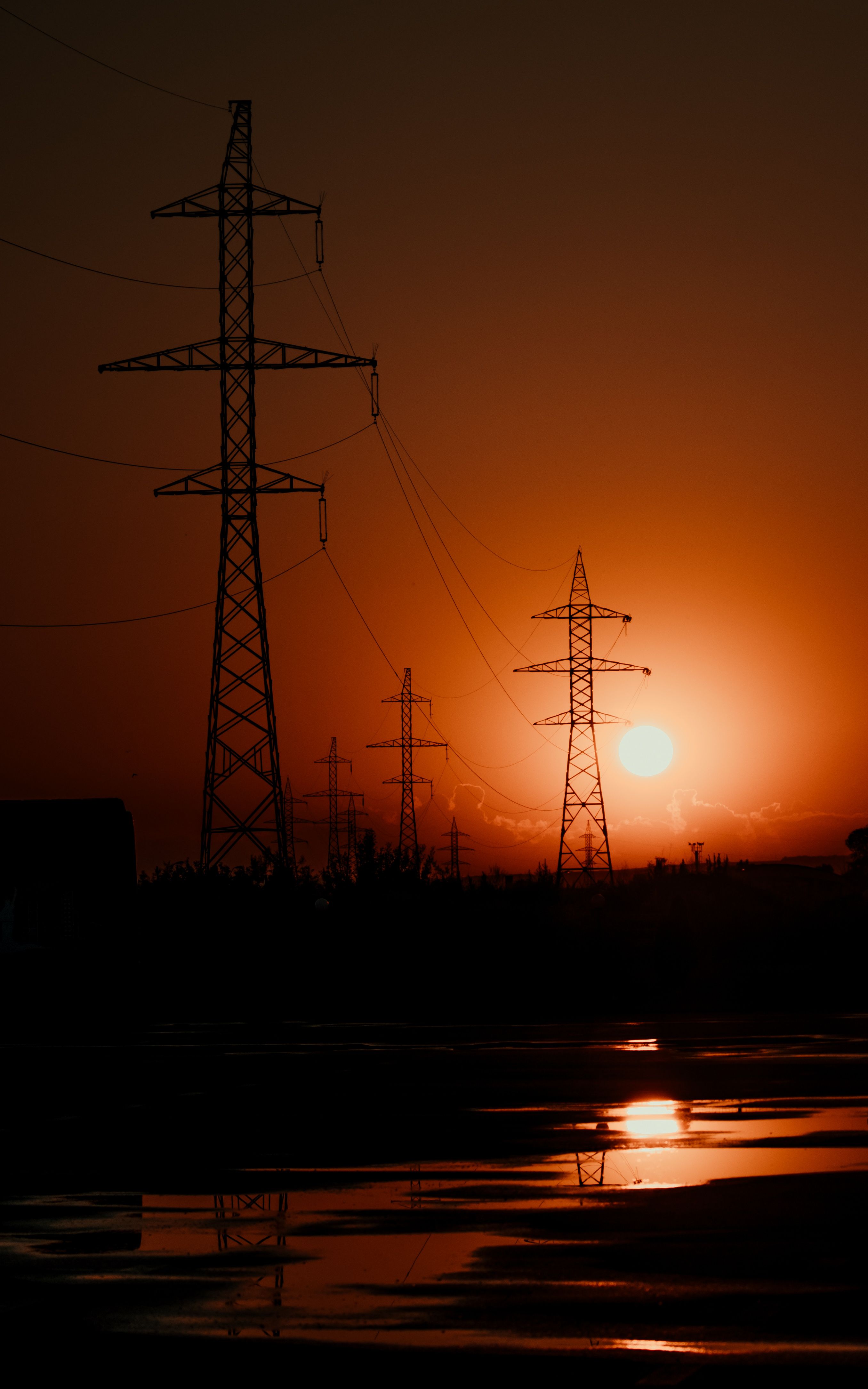
Early heat waves can stress infrastructure in ways that surprise communities expecting a gradual seasonal transition. Utilities may face a sudden jump in electricity demand as air conditioners switch on all at once. In some regions, grid operators issue conservation alerts because the first major hot spell arrives before peak summer readiness is in place.
Water systems feel pressure too. Hotter, drier weather increases demand for irrigation, landscaping, and household use, while reservoirs and rivers in some regions are already under strain from long-term drought. Agriculture can be hit particularly hard when crops confront intense heat before normal growth stages are complete, reducing yields and raising concerns about food prices later in the season.
Work routines also become a frontline issue. Construction crews, delivery drivers, farmworkers, and landscapers may face dangerous conditions earlier in the calendar than employers are used to planning for. That has prompted growing discussion around heat standards, mandatory rest breaks, altered schedules, and stronger worker protections as extreme heat becomes less of an exception and more of a recurring reality.
Health risks rise faster than many people realize

Heat illness is often misunderstood as a problem limited to dramatic emergencies, but its progression can be subtle. Dehydration, dizziness, headaches, rapid pulse, nausea, and confusion can begin before a person recognizes they are in trouble. Without intervention, heat exhaustion can escalate into heat stroke, a medical emergency that can damage organs and become fatal.
The risk is higher early in the season because bodies adapt gradually to hotter conditions. Public health specialists note that acclimatization usually takes days to weeks, depending on exposure and physical condition. When a sudden blast of near-record warmth arrives in late spring or early June, that adaptation window is cut short, increasing danger for athletes, outdoor workers, and people without reliable cooling.
Nighttime heat is especially important here. If indoor temperatures remain high overnight, sleep quality drops and cardiovascular stress rises. Hospitals often see heat affect existing conditions rather than appear as a standalone diagnosis. Heart disease, respiratory illness, kidney problems, and certain medications can all make extreme heat more dangerous than many families assume.
What this means for the rest of the warm season
An early heat surge does not guarantee that every week ahead will be record-breaking, but it does change the tone of the season. It suggests that the atmosphere is capable of producing dangerous warmth sooner than many communities are prepared for. That raises the odds of a longer cumulative heat burden over the months ahead.
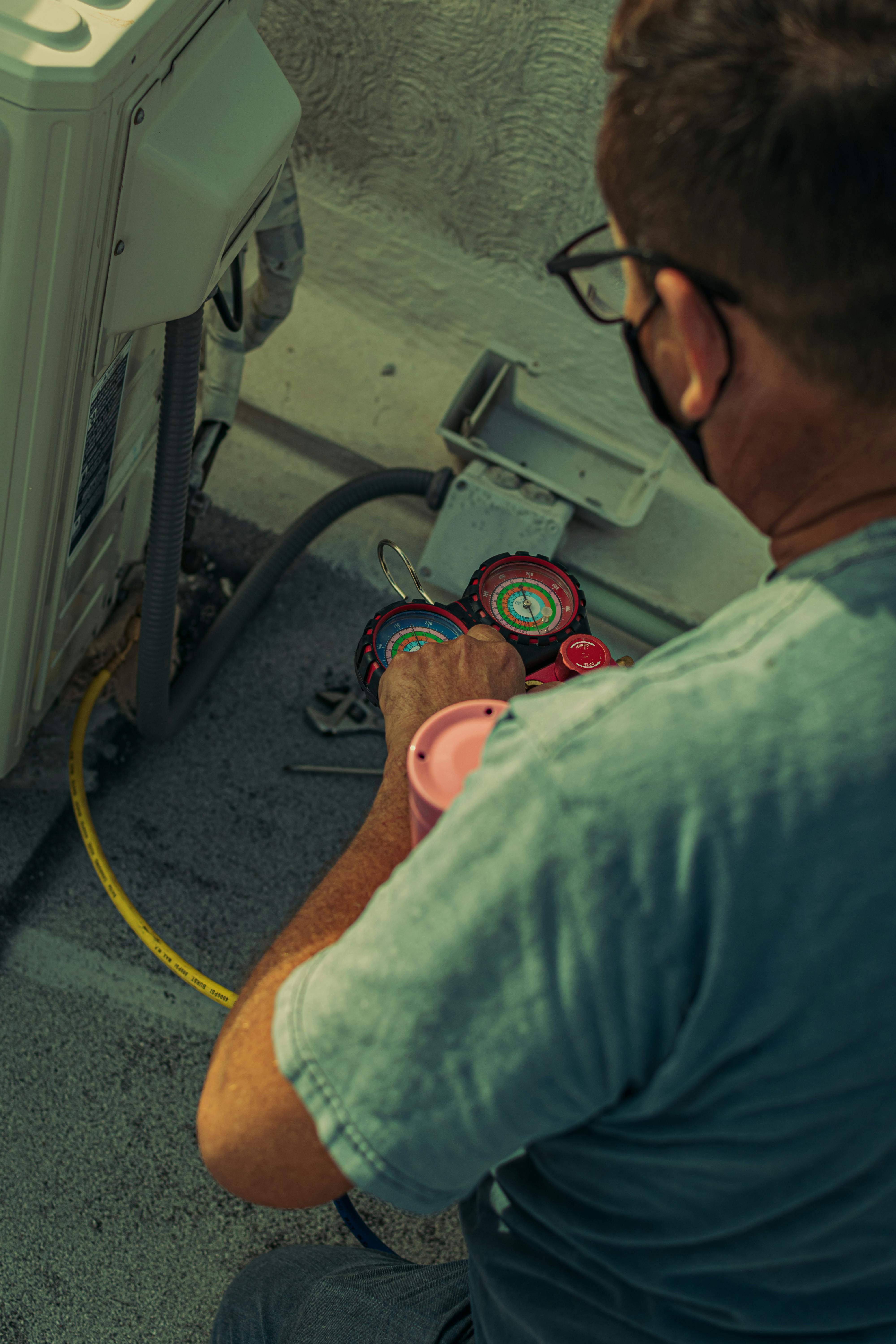
For households, preparation now matters more than waiting for the calendar to confirm summer. Checking cooling systems, identifying the coolest room in a home, stocking water, monitoring local forecasts, and making a plan for elderly relatives or neighbors can all reduce risk. Schools, sports leagues, and employers may also need to rethink seasonal assumptions that no longer match current conditions.
The broader lesson is that heat is no longer just a midsummer story. It is expanding at the edges of the calendar and becoming a defining feature of modern weather. When records fall before summer officially begins, the message is hard to miss: adaptation can no longer be treated as optional or delayed until later in the season.