

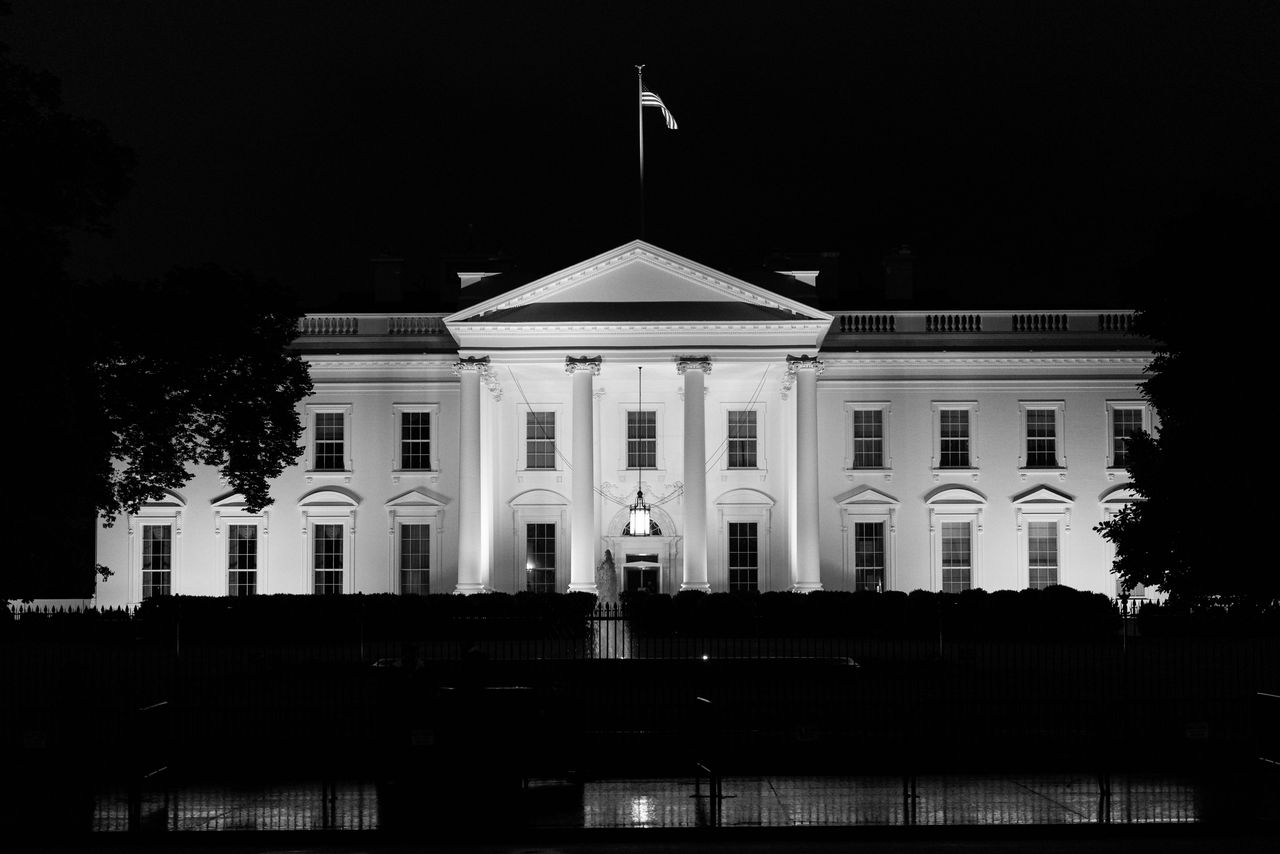
The image was unmistakable. A presidential residence long associated with ceremony and statecraft became the backdrop for a prime-time combat spectacle.
A Presidency Framed as Live Event

Donald Trump’s decision to host a UFC card on the White House grounds transformed politics into literal arena theater. Reuters reported that the event, staged on June 14, 2026, on Trump’s 80th birthday, placed an octagonal cage on the South Lawn under a towering temporary structure built specifically for the occasion. The event was branded “UFC Freedom 250,” tying it to the broader celebration of America’s 250th year while also centering Trump personally in the national narrative.
That combination was the point. Trump has long treated politics as performance, and the White House fight card made that governing style visible in its purest form. According to Reuters, the spectacle gathered more than 4,000 spectators, with many tickets designated for military personnel, adding a layer of patriotic framing to what was still, unmistakably, an entertainment product.
The symbolism mattered as much as the fights. Trump has attended multiple UFC events as president, often entering to music and crowd chants more associated with celebrity appearances than public office. In that sense, the White House card was not a departure from his brand but a culmination of it, blending executive power with the visual language of popular combat sports.
Why UFC Fits Trump’s Political Style

Mixed martial arts is a natural cultural partner for Trumpism because it rewards confrontation, dominance, and emotional clarity. Reuters described the White House event as an apt expression of Trump’s “pugilistic political style,” and that assessment captures why the pairing felt so coherent to supporters. In both Trump rallies and UFC broadcasts, conflict is not merely present; it is the product.
Trump’s alliance with UFC president Dana White also gave the event a deeper backstory. White has been one of Trump’s most loyal public allies for years, and Trump has often cited his early support for UFC when the sport faced regulatory stigma. That history allowed the White House show to function as both a personal tribute and a public demonstration of loyalty between two men who understand spectacle as power.
There was also a media logic behind it. UFC is one of the few modern sports properties that still reliably produces moments of unscripted intensity and broad viral circulation. By importing that atmosphere into the White House, Trump was effectively telling supporters that his presidency does not just administer institutions; it stages moments, commands attention, and dominates cultural conversation.
Patriotism as Branding and Backdrop
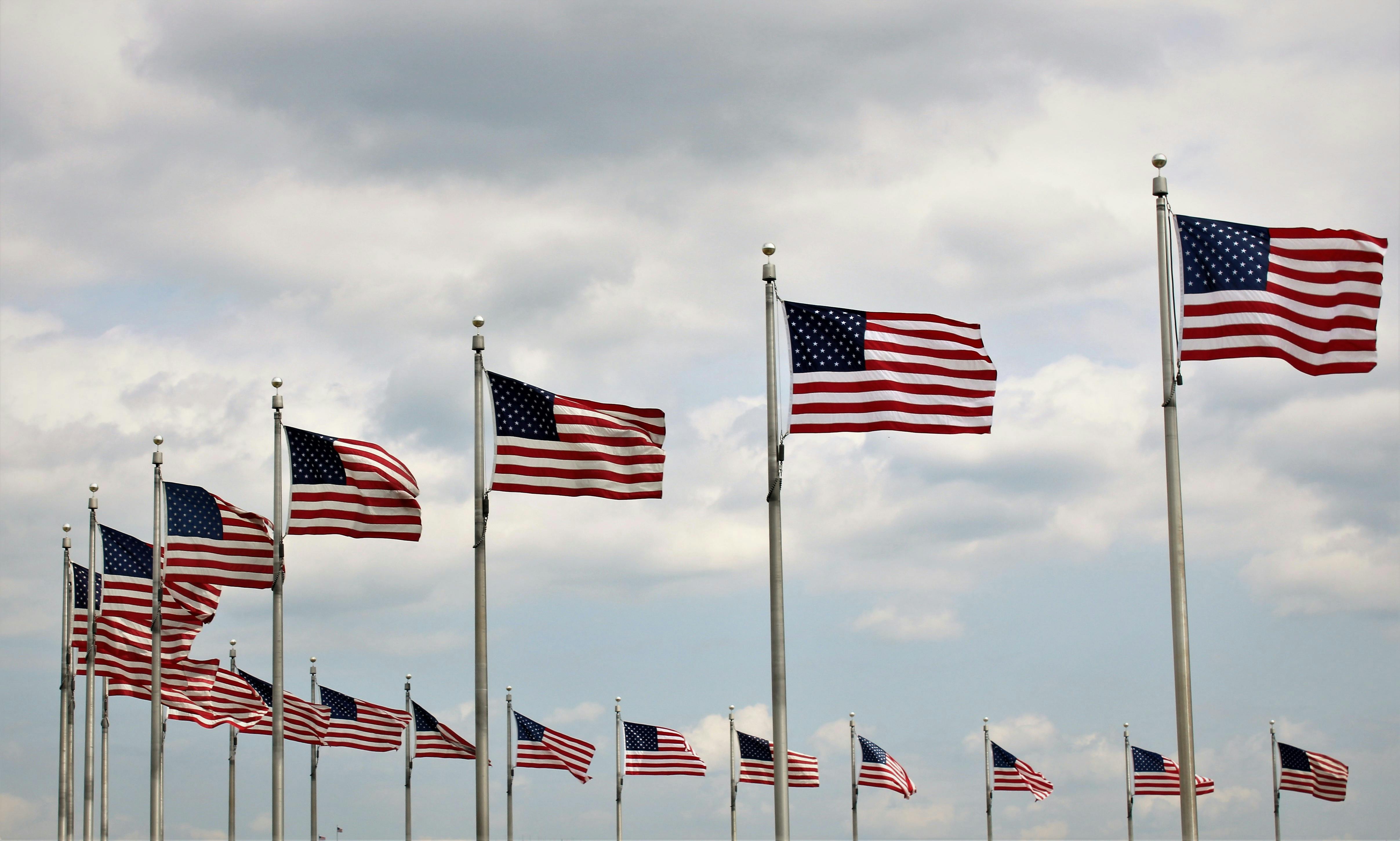
The event’s patriotic packaging was deliberate and extensive. Reuters reported that the fight night was folded into celebrations for the United States semiquincentennial, while the “Freedom 250” title wrapped the promotion in the language of national pride. Military attendance, ceremonial staging, and the use of iconic federal spaces all reinforced the idea that this was not simply a sports card but a national pageant.
That framing matters because patriotism in modern politics often works visually before it works intellectually. Flags, uniforms, monuments, and martial imagery create emotional shorthand. By placing cage fighting inside that visual system, the Trump White House turned combat into a form of civic theater, suggesting that toughness itself is a patriotic virtue and that national identity can be expressed through force, endurance, and spectacle.
Critics, however, saw something very different. Reuters cited a June 3-8 Reuters/Ipsos poll of 4,531 U.S. adults in which only 16% said it was appropriate for Trump to hold the event. That figure suggests the patriotic branding did not persuade most Americans, even if it thrilled a segment of Trump’s base that sees ceremonial norm-breaking as proof of authenticity rather than impropriety.
The Collision of Government, Business, and Showmanship

One of the sharpest criticisms of the event was not aesthetic but structural. Reuters reported that sponsorships from corporations and Trump-aligned organizations, including Rumble, EasyPost, and Turning Point USA, were visible inside the cage area. That detail heightened concerns that the presidency was being used not only as a symbolic platform but also as a commercial stage.
This is where the White House fight card became more than a culture-war curiosity. It raised serious questions about whether public office can be separated from private networks of influence when political branding, business relationships, and entertainment logistics are fused into one televised production. The White House has always been a stage, but usually one constrained by protocol. Trump’s version pushed those constraints outward.
The legal challenge brought against the event failed when a federal judge declined to block it, according to Reuters. But the fact that the event reached court at all underscored how unusual it was. The controversy was not only about taste. It was about whether state symbolism can be repurposed for a hybrid of political messaging, personal branding, and corporate spectacle without weakening the distinction between public service and promotion.
Supporters Saw Strength, Critics Saw Degradation
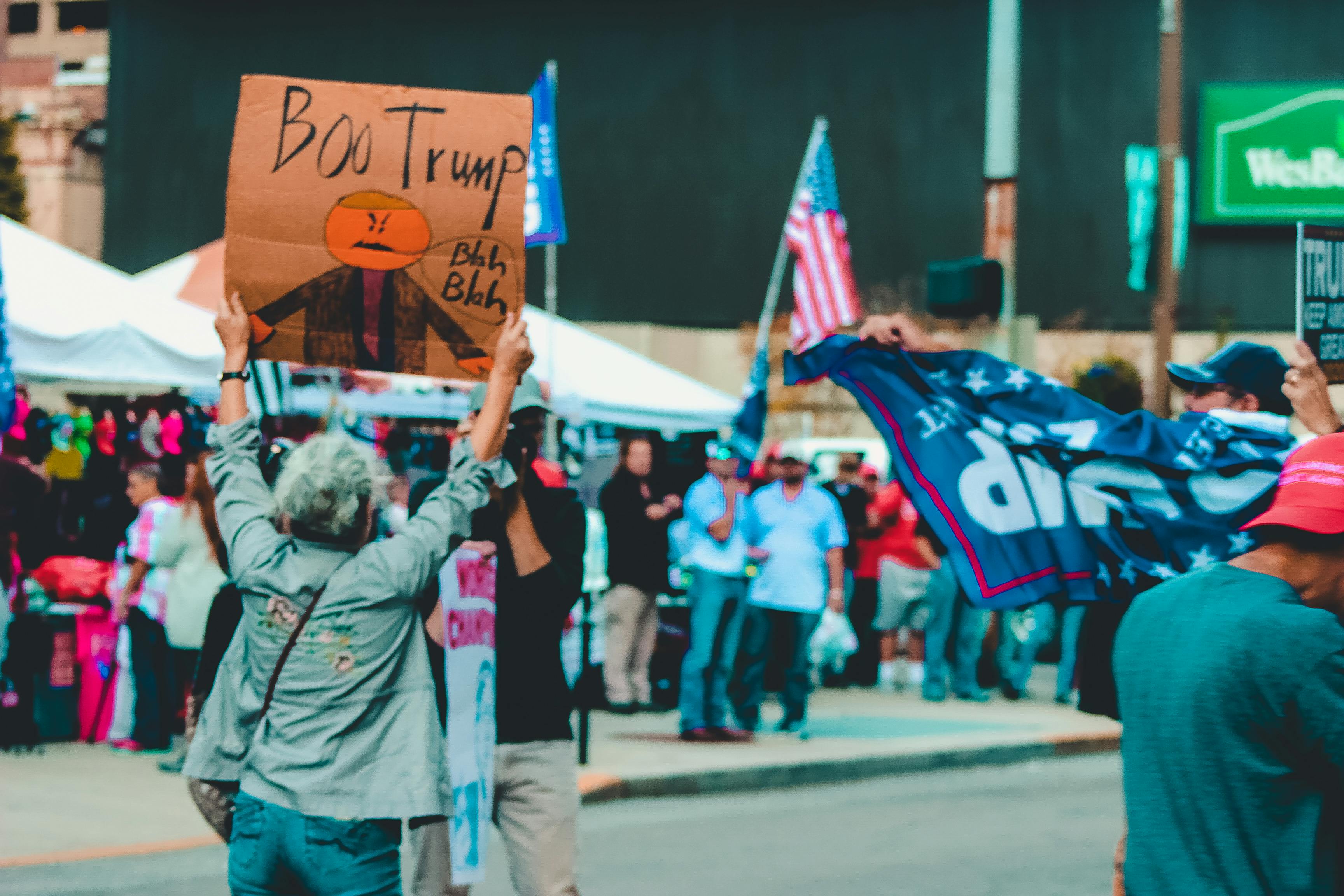
For Trump’s supporters, the spectacle offered exactly what they believe modern politics should deliver: confidence, disruption, and unapologetic nationalism. A UFC event on the White House lawn told them that elite rules can be broken, stale rituals can be replaced, and American power should look forceful rather than restrained. In this reading, the event was not a gimmick. It was a cultural statement about who belongs at the center of national life.
For opponents, the same images suggested institutional degradation. The White House, in their view, is meant to embody continuity, seriousness, and democratic restraint, not serve as a combat-sports venue. The criticism was amplified by the broader political context, with Reuters noting that the event unfolded during a period of war abroad and scrutiny at home, making the celebratory combat setting feel especially jarring to many observers.
Both interpretations reveal something important about the country. Americans are no longer arguing only over policy outcomes. They are also arguing over the meaning of public symbols, the acceptable tone of leadership, and whether politics should elevate civic life or mirror mass entertainment as closely as possible.
What the Event Says About American Culture Now
The White House cage fight was extraordinary, but it did not emerge from nowhere. It reflected a political era in which celebrity, grievance, patriotism, and media strategy are increasingly inseparable. Trump understood that in a fragmented attention economy, a conventional speech competes poorly with an unforgettable image. A fight card on the South Lawn solved that problem instantly.
It also showed how modern patriotism is often packaged through sensation. Instead of solemn reflection on the nation’s 250-year story, the event offered a muscular, televisual version of American identity built around conflict, crowd energy, and spectacle. That formula may not persuade a national majority, but it is highly effective at energizing a loyal audience and generating wall-to-wall coverage.
In the end, the White House UFC event was less about sports than about political storytelling. It presented Trump as ringmaster, patriot, disruptor, and brand unto himself. Whether one sees that as democratic vitality or democratic erosion, the lesson is the same: in contemporary America, power is increasingly exercised not just through institutions, but through images strong enough to define the moment.