

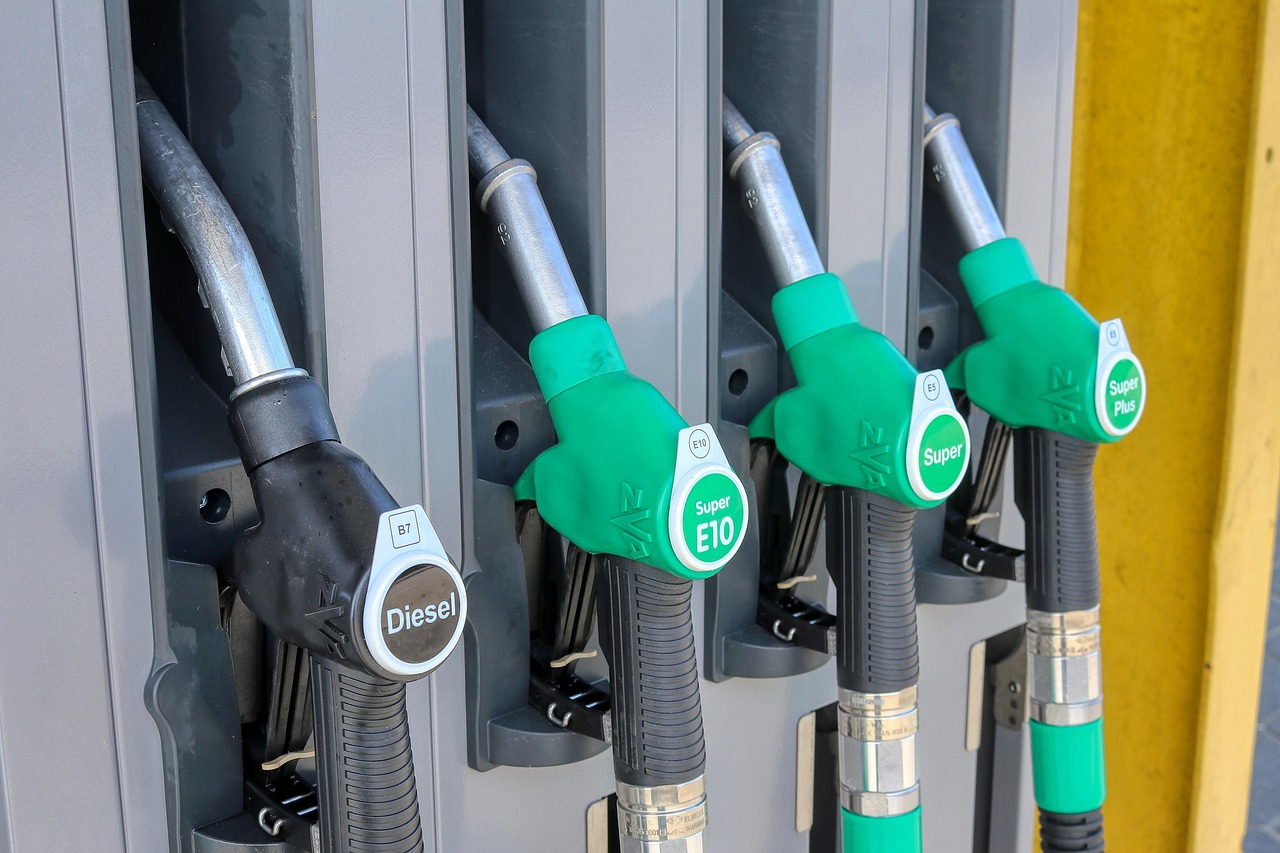
Gasoline prices are easing, and that alone feels like a small economic victory. But the reason they are falling is also the reason nobody can say with confidence where they go next.
Relief at the pump is real, but it is still fragile

American drivers have started to see noticeable relief after a brutal spring surge in fuel costs. Reuters reported that the U.S. average retail gasoline price slipped below $4 a gallon on June 15, 2026, the first time since mid-April, while AAA had shown a national average above $4.40 just weeks earlier. That is a meaningful change for households that felt fuel inflation immediately in commuting, delivery fees, and summer travel budgets.
The speed of the retreat matters. AAA said on May 28 that the national average had already fallen 12 cents in a single week to $4.42 as crude prices declined on reports of peace talks with Iran. By mid-June, GasBuddy data cited by Reuters showed the national average at $3.997. Markets clearly began removing some of the geopolitical premium that had built up during months of war-related disruption.
Still, lower does not mean cheap. Prices remain sharply above year-ago levels, and many states are still well above the national average. That means consumers are getting relief from extreme highs, not a return to the calmer pricing environment they had before the conflict distorted global energy flows.
Why Iran matters far beyond the Middle East

The central issue is not simply Iran as an oil producer. It is Iran’s influence over the Strait of Hormuz, one of the most critical chokepoints in the global energy system. During the conflict, disruptions around Hormuz helped push crude and fuel prices sharply higher because traders feared that a large share of seaborne oil supply could be delayed, rerouted, or effectively trapped.
That fear was enough to change prices everywhere, including in the United States. Axios noted that U.S. pump prices remain tied to global crude benchmarks even though the U.S. is a major producer itself. Oil is priced in a world market, so any threat to a route that handles such a large portion of global trade quickly shows up in wholesale gasoline, diesel, jet fuel, and shipping costs.
The tentative U.S.-Iran agreement announced in mid-June changed that psychology almost instantly. Reuters and AP both reported that hopes for reopening Hormuz sent oil prices tumbling. But the agreement is preliminary, and the hardest questions, especially over Iran’s nuclear program and sanctions, have been pushed into later negotiations. That is exactly why confidence remains limited.
The deal lowered prices, but it did not settle the market

Markets love clarity, and this deal does not provide much of it yet. The memorandum of understanding may have reduced the immediate risk of a prolonged supply shock, but it has not created a clean roadmap for how fast exports, shipping traffic, insurance coverage, and refinery supply patterns normalize. AP reported that energy experts expect oil and gas supplies to take months to return to normal, even after the agreement.
That lag is crucial for drivers. Retail gasoline does not fall in perfect sync with headlines because crude has to be bought, transported, refined, blended, and distributed. Analysts quoted by AP said consumers should not expect an overnight reset in fuel prices just because a diplomatic breakthrough occurred. The physical system moves more slowly than the financial market.
There is also the question of credibility. Reuters reporting in late May captured the market’s skepticism well: traders have seen promising headlines before, only to watch negotiations stall. If implementation falters, or if military tensions flare again, some of the risk premium now coming out of crude could quickly return. That makes every price forecast unusually conditional.
Other forces are pushing prices in both directions

Iran is not the only variable. The Energy Information Administration said in its June Short-Term Energy Outlook that it reduced its expectation for global oil demand in 2026, citing high fuel prices, reduced availability, and policy measures that are curbing consumption. That weaker demand outlook helps explain why oil may not stay elevated even after a major geopolitical shock.
At the same time, supply is still a delicate story. Reuters reporting on OPEC+ output decisions showed producers trying to add barrels in the name of market stability, but wartime disruptions had already limited how much extra supply could actually reach customers. In other words, announced output and usable supply are not always the same thing when transport routes are constrained.
Summer also complicates the picture. The U.S. is now in peak driving season, when gasoline demand usually strengthens. Refinery maintenance, regional outages, hurricane risk, and state fuel specifications can all distort retail prices. Even if international tensions keep easing, domestic bottlenecks could slow or unevenly distribute the decline consumers are hoping to see.
What experts are watching now

The first question is whether shipping through Hormuz resumes in a commercially normal way. It is one thing for a ceasefire to exist on paper and another for tanker operators, insurers, refiners, and traders to behave as if the route is fully secure again. Several analysts cited in Reuters coverage said the market will be watching not just diplomacy but actual traffic, pricing differentials, and delivery patterns.
The second question is sanctions. Any future relaxation or tightening tied to Iran’s nuclear program could change the supply outlook materially. Reuters reported that European powers signaled willingness to lift sanctions if Iran takes steps on the nuclear file. If that process advances, more Iranian barrels could influence global balances. If it breaks down, the relief rally could look premature.
A third issue is where oil’s new floor sits after this episode. Some analysts now think Brent may settle into a higher long-run range than before the war, even if the worst disruptions fade. That matters because gasoline prices often stop falling well before consumers feel they have returned to normal.
For consumers, the most likely outcome is volatility, not certainty

The most honest forecast is that gas prices may keep easing, but not in a straight line. The immediate panic premium has come out of the market, and that is good news for drivers. Yet the conditions behind the decline remain political, military, logistical, and highly reversible. A fragile agreement can calm markets quickly, but it can also disappoint them just as fast.
That means households should think in ranges, not promises. If Hormuz stays open, negotiations progress, and global demand remains softer than expected, national gasoline prices could continue drifting lower through summer. But if talks stall, sanctions snap back, or shipping confidence weakens, oil and gasoline could rebound before consumers have fully enjoyed the current drop.
In practical terms, the Iran deal did not make the direction of travel obvious. It removed one layer of fear while exposing how many others still remain. Gas prices are falling, but the path from here is less a glide lower than a market waiting for its next shock.