

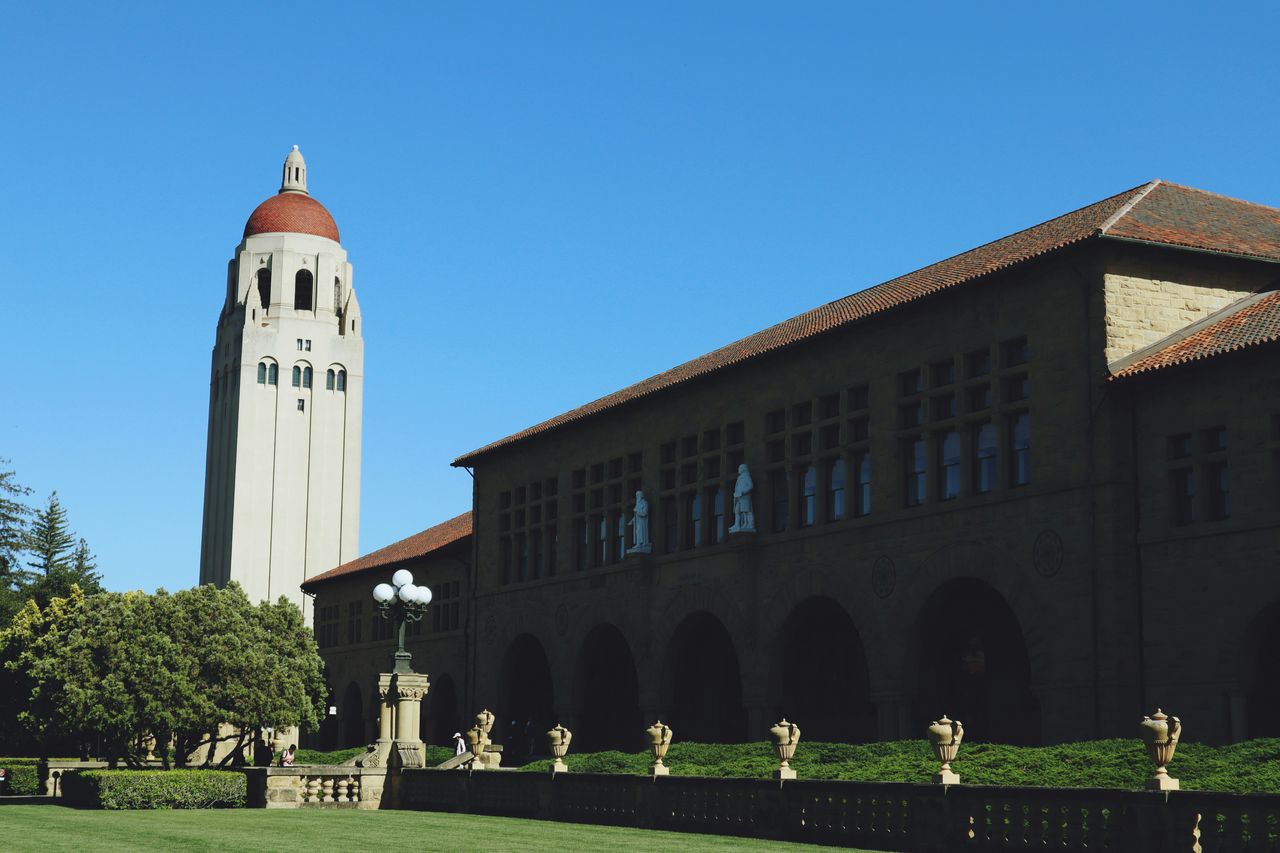
Graduation ceremonies are designed to project unity. At Stanford in June 2026, they instead exposed a deep and public divide.
A Commencement Speech That Became a Protest Stage
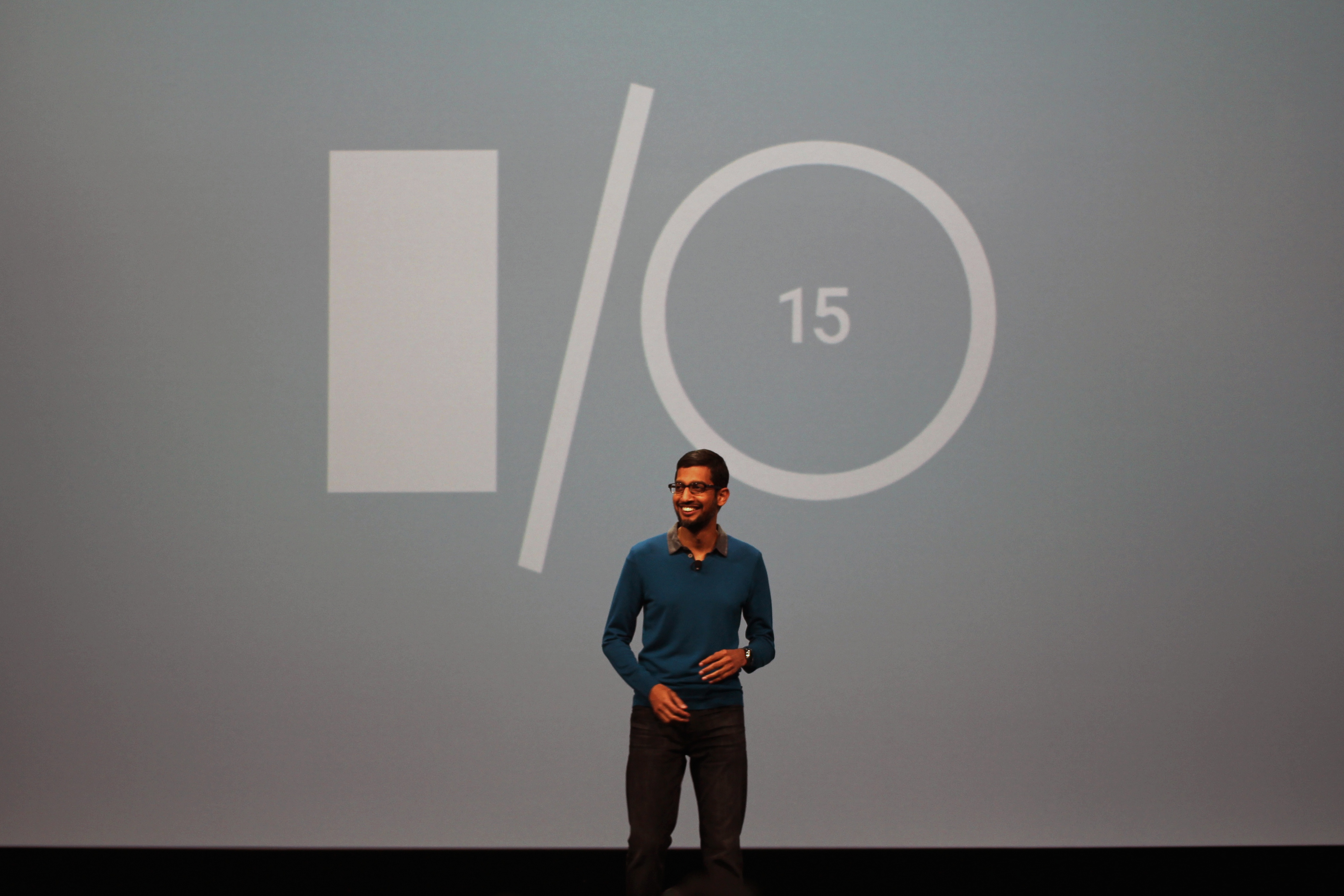
Stanford selected Google and Alphabet CEO Sundar Pichai, a 1995 Stanford master’s graduate in materials science and engineering, as the keynote speaker for its 2026 commencement ceremony. The university promoted him as a global technology leader and alumnus whose career embodied innovation, opportunity, and long-range thinking. It was also described by Stanford as Pichai’s first in-person commencement address, giving the invitation added institutional weight.
But the symbolism cut both ways. As Pichai rose to speak at the university’s 135th commencement ceremony on June 14, 2026, large numbers of students stood up and left. Multiple reports described the action as involving more than 100 participants, while others characterized it as numbering in the hundreds, making it one of the most visible commencement protests of the year.
The walkout did not appear spontaneous. Coverage from Fortune and TechCrunch said the protest was organized by campus activist groups including Stanford Students for Justice in Palestine, No Tech for Apartheid, and Tech for Liberation. What might have been a celebratory alumni homecoming instead became a vivid demonstration of how contested tech leadership has become on elite university campuses.
Why Students Targeted Google and Its Chief Executive

The protest was aimed less at Pichai as an individual speaker than at what he represents: the modern power of Big Tech in politics, labor, surveillance, and war. According to reporting on the demonstrations, students carried signs with messages criticizing Google’s ties to U.S. immigration enforcement and its work connected to Israeli government technology projects. Slogans visible at the ceremony included accusations about AI, surveillance, and complicity in violence.
At the center of the anger was Project Nimbus, the cloud-computing contract involving Google and Amazon that has drawn sustained criticism from pro-Palestinian activists and some tech workers. For student organizers, inviting Google’s CEO to address graduates in the middle of that controversy looked less like a neutral choice and more like an endorsement of a corporate worldview they reject.
That helps explain the intensity of the response. Commencement speeches are not merely speeches; they are statements about institutional values. By interrupting that moment, protesters were signaling that career prestige and philanthropic shine are no longer enough to shield corporate leaders from moral scrutiny, especially when students believe university platforms sanitize the conduct of powerful companies.
Pichai’s Message and What He Chose Not to Say

One of the most striking details about the speech itself was what it omitted. Several reports noted that Pichai avoided talking directly about artificial intelligence, even though AI dominates both Google’s strategy and the anxieties of many new graduates entering the labor market. That choice appeared deliberate, especially after other 2026 commencement speakers had been booed for offering upbeat, abstract speeches about AI disruption.
Instead, Pichai leaned into a more traditional commencement formula. In the published text of his address, he reflected on his student years, personal growth, technological change, and the importance of remaining open to possibility. The tone was reflective rather than combative, and he did not directly engage the protest from the stage in any forceful way.
That restraint mattered. A defensive or confrontational response could have escalated the moment into a spectacle. Yet the quietness of the speech also underscored the gap between the ceremonial language of inspiration and the political language of accountability being voiced by the students walking out around him.
A Broader Backlash Against Tech at Graduation Ceremonies

The Stanford protest did not happen in isolation. Across the 2026 graduation season, students at several universities pushed back on commencement speakers associated with AI and the technology industry. Axios reported that booing and heckling of tech-oriented graduation speeches had become a recognizable pattern, driven by fears about automation, job insecurity, and the widening distance between executive rhetoric and student reality.
That national context helps explain why Stanford’s walkout resonated so quickly. Graduates entering a volatile economy are hearing from executives whose companies are reshaping work, information, and public life at an enormous scale. The ceremonial promise that innovation naturally leads to progress feels far less persuasive to a generation watching layoffs, surveillance debates, and geopolitical conflicts intersect with the tech products they use every day.
Stanford also occupies a unique place in this story. Few universities are more tightly linked to Silicon Valley’s rise, and few commencement invitations carry more symbolic meaning for the technology industry. A walkout there sends a message not just about one company, but about a changing relationship between elite campuses and the corporate ecosystem they helped build.
What the Walkout Says About Stanford’s Campus Climate
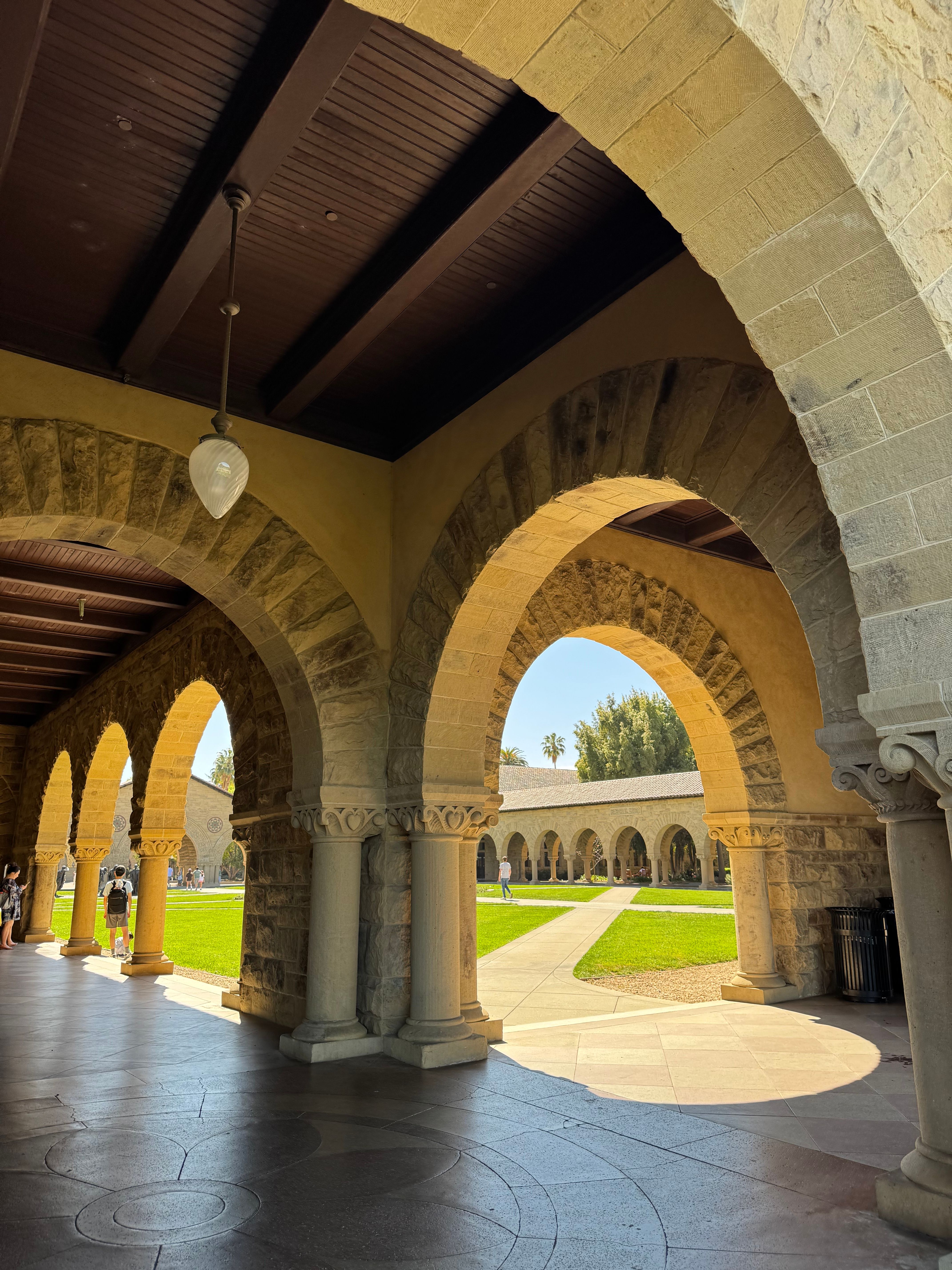
For Stanford, the protest was another sign that commencement can no longer be treated as politically neutral terrain. Universities increasingly face pressure over speaker selections, donor ties, corporate partnerships, and responses to global conflict. In that environment, a commencement address is not simply a reward for professional achievement; it is a highly visible institutional decision that students may read as an endorsement.
The walkout also showed the maturity of contemporary student organizing. Rather than trying to seize the microphone or shut down the entire event, protesters used a visual tactic that was disciplined, legible, and hard to ignore. Walking out during the address transformed absence into a message. It allowed students to register dissent without erasing the ceremony for everyone else.
At the same time, the incident revealed the limits of consensus on campus. Many families and graduates likely viewed Pichai as a fitting speaker: a successful immigrant, engineer, and Stanford alumnus. The clash was not over whether he is accomplished. It was over whether accomplishment alone should qualify someone to deliver a university’s moral sendoff to its graduates.
Why This Moment Will Matter Beyond One Speech
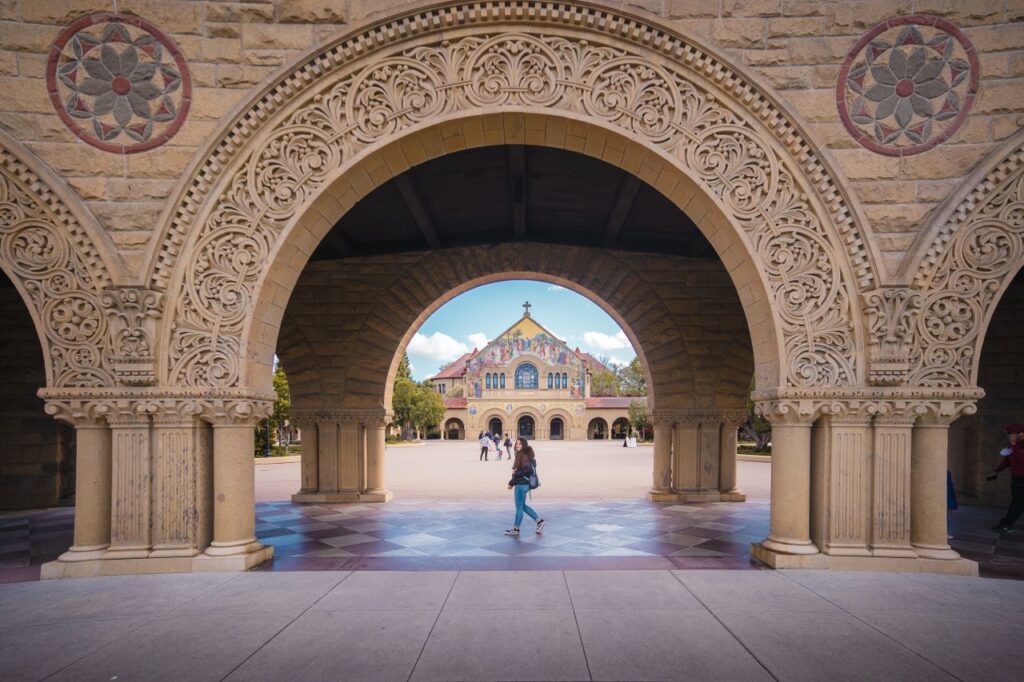
The Stanford walkout is likely to endure because it condensed several of the defining tensions of this era into one unforgettable image: robed graduates leaving their seats as one of the world’s most powerful tech executives took the stage. It was about Gaza, corporate power, AI, surveillance, labor, and university values all at once. Few commencement disruptions capture so many overlapping disputes so clearly.
It also reflected a changing expectation of leadership. Students are no longer content with polished messages about resilience and curiosity if they believe the speaker’s company is implicated in harms that the speech never acknowledges. In that sense, the protest was not anti-commencement. It was a demand that ceremonial authority be matched by moral seriousness.
For universities and corporate leaders alike, that is the lasting lesson. Prestige still commands attention, but it no longer guarantees admiration. At Stanford on June 14, 2026, the graduates who walked out made clear that the stage itself is now contested ground.