

A single quarantine order has reopened some of the most bitter arguments of the pandemic era. This time, the virus is hantavirus, the official is Robert F. Kennedy Jr., and the backlash arrived almost immediately.
What Kennedy said and why it drew attention

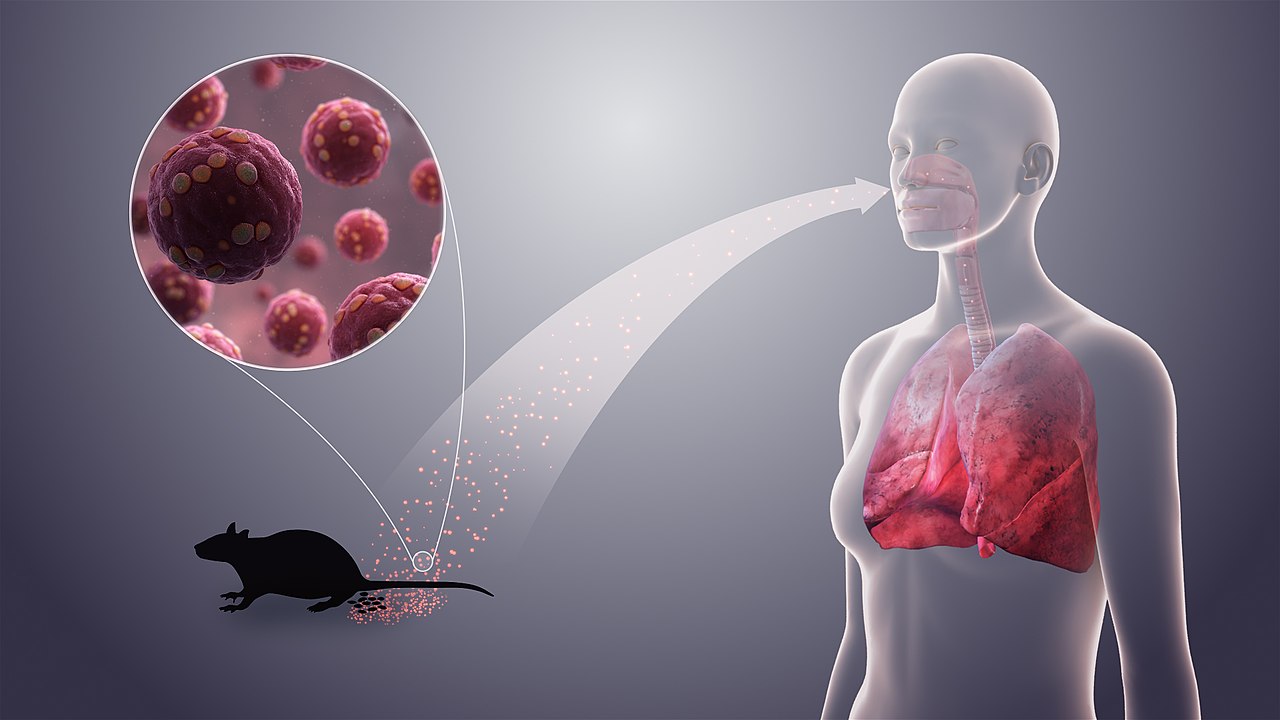
The controversy grew out of the 2026 Andes hantavirus outbreak linked to the M/V Hondius expedition cruise ship. The CDC has said Andes virus is the only hantavirus known to spread person-to-person, though that spread is considered rare and usually tied to prolonged close contact. The virus can cause hantavirus pulmonary syndrome, a severe respiratory illness, and there is no specific antiviral treatment or vaccine currently available, which is why health officials moved aggressively once exposed Americans returned home.
On May 11, 2026, Kennedy told reporters that the government had the situation “under control” and that officials were “not worried about it,” according to ABC News and other contemporaneous reports. That reassurance was meant to calm fears, but it quickly collided with the optics of Americans being held in monitored quarantine settings in Nebraska and Atlanta.
The immediate problem for Kennedy was not simply tone. It was the tension between his long-running rhetoric about medical freedom and a federal response that relied on quarantine authority, close surveillance, and restrictions on movement. Critics saw a contradiction almost instantly, and they did not need to wait for a prolonged legal battle to make that point.
The outbreak that set the response in motion
According to the CDC, WHO confirmed on May 6, 2026, that the cluster linked to the ship was caused by Andes virus. CDC guidance issued in mid-May said the incubation period ranges from 4 to 42 days, with a median of 18 days, and emphasized that infected people are thought to be most infectious around symptom onset rather than before symptoms appear.
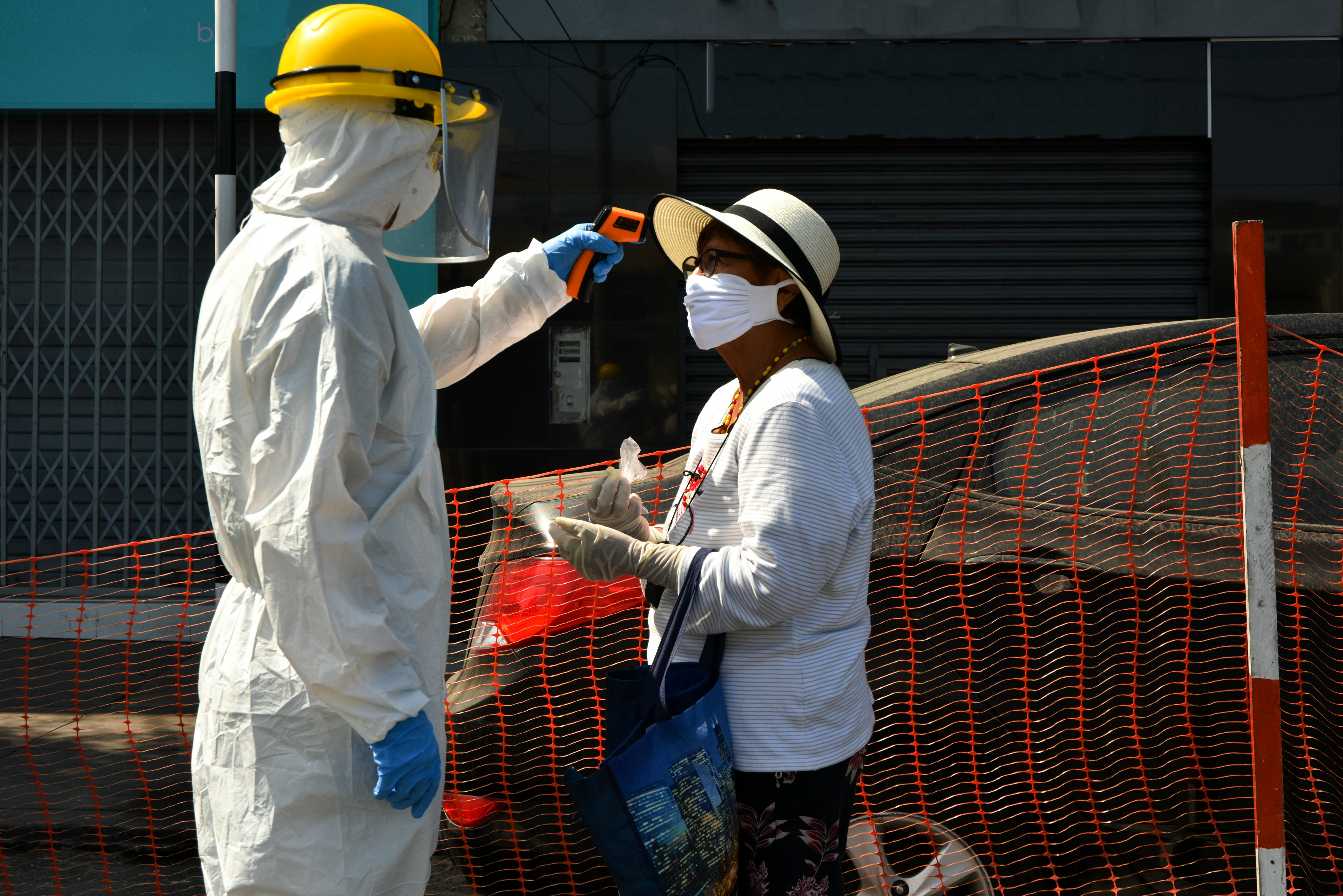
The ship outbreak was serious enough to trigger a large federal response. Reuters reported on May 13 that more than 100 CDC staff members were working on the incident, while 18 U.S. passengers were being monitored in U.S. medical facilities. The CDC later said those repatriated passengers were asked to remain at the Nebraska Quarantine Facility through May 31, 2026, the 21-day point of their monitoring period.
That timeline matters because it shows why the case became a public test of federal judgment. Officials were dealing with a rare but potentially severe pathogen, imported from South America, with limited evidence of person-to-person spread. In those circumstances, public health leaders often favor caution. But caution becomes politically explosive when it turns into confinement.
Why experts say the science supports caution, but not panic

The scientific case for close monitoring is real. CDC interim guidance says person-to-person transmission of Andes virus is relatively rare, generally associated with prolonged close contact, and has no documented presymptomatic transmission. At the same time, the agency stresses that the disease can be severe and that the absence of a targeted treatment or vaccine justifies steps to prevent any secondary spread.
That dual message is important. It explains why public health experts have largely rejected two extremes at once: dismissing the outbreak as nothing, or portraying it as another COVID-scale emergency. Reuters reported that the CDC’s repeated position in May was that the risk to the general public remained low, even as exposed travelers were monitored and, in some cases, quarantined.
In other words, the criticism of Kennedy is not mainly that officials responded too strongly to the virus itself. It is that the administration’s public messaging and internal decision-making seem out of sync. Saying the country is not worried while also using extraordinary powers invites the public to ask which message is the real one.
Where the pushback came from

The backlash came from multiple directions at once. Infectious-disease specialists and public health observers questioned whether Kennedy’s public comments minimized a serious disease while his department was quietly embracing highly interventionist tools. Civil-liberties critics, meanwhile, focused on whether quarantine decisions were proportionate, transparent, and medically justified.
Political critics had an even easier line of attack. Kennedy and other Trump-era health officials have spent years arguing that public agencies overreached during COVID. Yet the hantavirus response quickly involved facility-based monitoring, formal quarantine orders, and intensive oversight of exposed individuals. To opponents, that looked less like principled consistency and more like situational convenience.
There was also pushback over communication. CDC officials said on May 13 that no federal or state quarantine orders had yet been drawn and that authorities were working with contacts voluntarily. Days later, on May 19, the CDC announced that quarantine orders had in fact been issued for two repatriated passengers in Nebraska. That shift may have reflected evolving risk assessment, but it also fed suspicion about who was making the calls and why.
The civil-liberties problem at the center of the story

At the heart of the dispute is a familiar but unresolved question: when does precaution become coercion? Federal quarantine power is legal under the Public Health Service Act and related regulations, and the CDC explicitly cited those authorities when it announced the May 19 orders. Legally, the government has tools to restrict movement when a dangerous communicable disease may threaten others.
But legality does not end the argument. Americans are far more sensitive to quarantine now than they were before 2020, and Kennedy is a particularly vulnerable messenger because he built much of his brand by attacking public health mandates. If he now supports strict isolation in a case where the CDC itself says public risk is low, critics will naturally ask whether “medical freedom” was always conditional.
That is why this story has moved beyond one patient or one hospital ward. It has become a test of whether a health secretary known for distrusting public health orthodoxy will defer to expert caution when faced with a real outbreak. The pushback has been immediate because the symbolism is impossible to miss.
What this episode could mean next

The immediate stakes are practical: whether more exposed passengers are released to home monitoring, whether federal quarantine remains narrowly targeted, and whether officials can explain their reasoning clearly enough to maintain trust. Reuters reported in early June that some passengers had already returned home after weeks of monitoring, suggesting the government was not applying a one-size-fits-all approach.
The broader stakes are political. Kennedy’s handling of hantavirus is now part of a larger argument about the future of outbreak response in the United States. Can an administration that rose on skepticism of pandemic restrictions govern effectively when confronted with a pathogen that genuinely does require some restrictions? The answer matters far beyond this outbreak.
For now, the science still points to limited public risk, not mass alarm. But the politics point somewhere else entirely: a collision between ideology and emergency power. That is why the reaction was so swift, and why this quarantine fight is likely to resonate long after the outbreak itself subsides.