

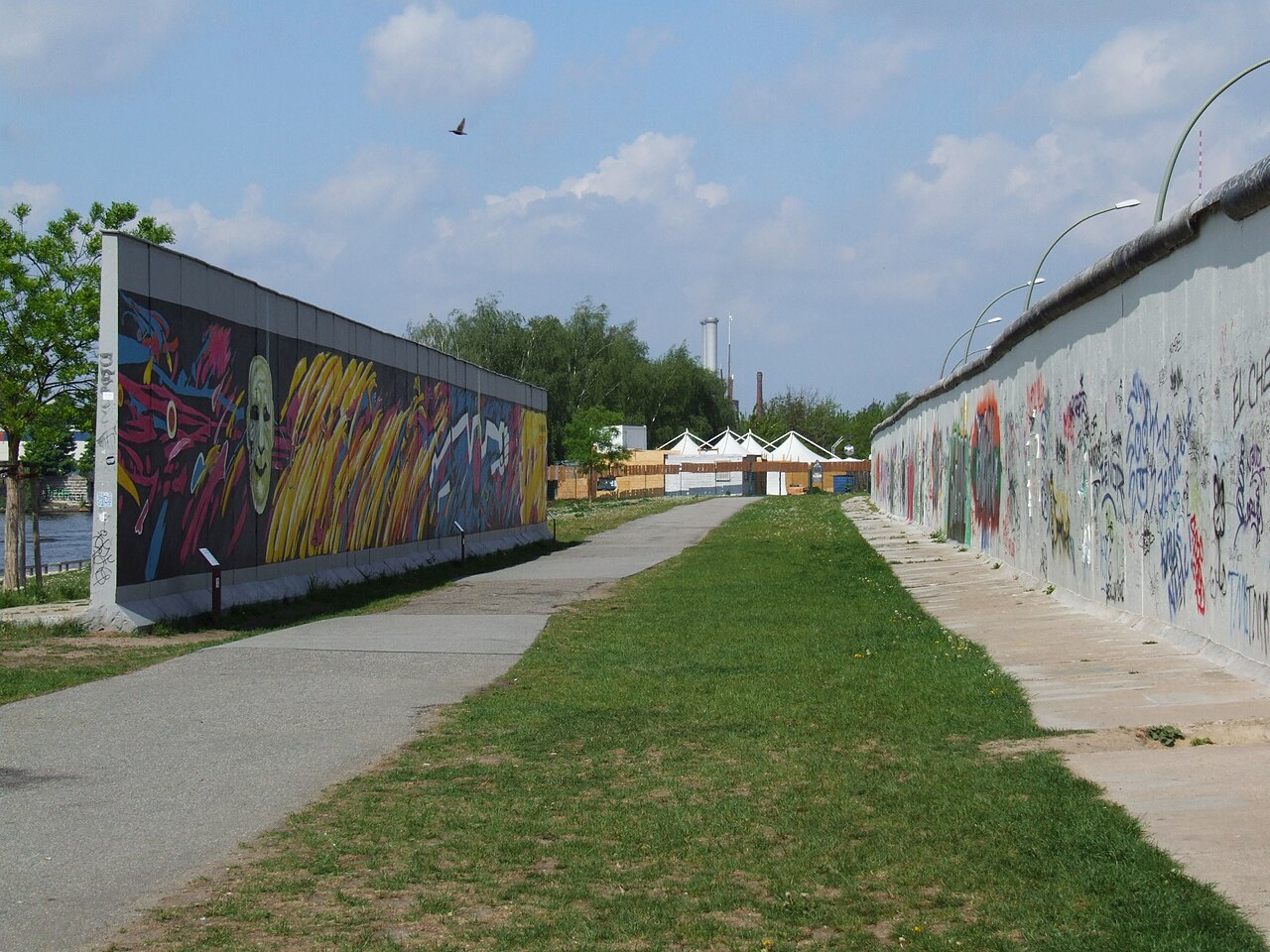
The backlash was immediate. Within hours, social media users had turned one dramatic comparison into the latest internet spectacle.
The Remark That Set Off the Reaction

Jim Acosta drew heavy attention online after comparing the removal of Donald Trump’s name from the Kennedy Center to the fall of the Berlin Wall, a metaphor many critics saw as wildly disproportionate. The comparison landed with a thud across much of the internet, where users from across the political spectrum mocked the scale of the analogy. For many observers, it was a textbook case of modern political commentary reaching for historical grandeur and missing the mark.
The Berlin Wall is not just any symbol. Its collapse represented the end of a brutal era of division, surveillance, repression, and Cold War confrontation in Europe. To place a dispute over a cultural institution in the same rhetorical frame struck many people as unserious, especially those who believe public figures should reserve such comparisons for genuinely world-shaping events.
That disconnect is what gave the story legs online. It was not merely that Acosta made a partisan or sharp remark, but that he invoked one of the most consequential political images of the 20th century in a context many people viewed as trivial by comparison.
Why the Internet Responded So Ruthlessly

Online culture rewards speed, exaggeration, and instant judgment, and Acosta’s comment provided ideal material. Users clipped the line, reposted it, and added their own sarcastic commentary, often contrasting the gravity of East Germany’s collapse with the comparatively narrow issue of a name being removed from a performance venue. Memes, quote-posts, and short reaction videos multiplied quickly.
What made the backlash especially potent was that the criticism was easy to understand without much background. A person did not need detailed knowledge of media politics or Kennedy Center governance to recognize the perceived mismatch. The simplicity of the joke made it portable, and portability is often what determines whether a media moment fades or catches fire.
There was also a broader undercurrent of fatigue. Many Americans have grown weary of political rhetoric that treats every dispute as a civilizational turning point. In that atmosphere, a dramatic historical comparison can become a magnet for mockery rather than admiration, particularly when audiences suspect it was crafted for effect more than insight.
The Kennedy Center Fight Carries Symbolic Weight

Even so, the controversy did not emerge from nowhere. The Kennedy Center has increasingly become part of America’s wider cultural and political battlefield, where institutions once seen primarily as artistic spaces now carry heavier ideological symbolism. Any move involving a major political figure’s name, recognition, or legacy is likely to trigger intense reactions from supporters and opponents alike.
For Trump critics, removing his name may be framed as a statement about values, public memory, or the kind of leadership cultural institutions should honor. For Trump supporters, the same act may look like another example of establishment gatekeeping or selective outrage. That clash helps explain why a symbolic change at a venue can spark debate far beyond arts circles.
Acosta’s mistake, in the eyes of many detractors, was not recognizing that symbolism matters. It was choosing a comparison so historically loaded that it overshadowed the underlying point. Instead of encouraging discussion about political symbolism in public institutions, the analogy shifted attention almost entirely to the rhetoric itself.
Historical Analogies Can Clarify or Distort

Public commentators often rely on historical analogies because they compress meaning fast. Referencing the Berlin Wall instantly evokes oppression, liberation, democracy, and geopolitical transformation. When used carefully, such analogies can help audiences understand stakes that might otherwise feel abstract. But when stretched too far, they distort more than they illuminate.
That is why critics reacted so strongly. The removal of a political figure’s name from a cultural venue may be meaningful, controversial, and emotionally charged, but it is not remotely equivalent to the collapse of a militarized barrier that divided families, nations, and entire political systems. The analogy did not simply seem excessive; to many, it trivialized a defining chapter of modern history.
This is a recurring risk in contemporary media. Commentators compete for attention in a crowded environment, and vivid comparisons can cut through the noise. Yet the more dramatic the language, the more likely it is to backfire when audiences sense performative excess instead of proportionate judgment.
What the Episode Says About Media Credibility
The reaction also reflected something deeper than irritation with one comment. Trust in media figures has been strained for years, and moments like this often become stand-ins for larger frustrations. Critics of cable news and high-profile punditry argue that too many commentators rely on emotional escalation, framing ordinary political developments as epochal events to keep audiences engaged.
Acosta, because of his national profile and long-running association with Trump-era media conflict, is especially vulnerable to that kind of scrutiny. Supporters may see him as a forceful critic of a polarizing political figure. Detractors see him as emblematic of a media class that too often confuses theatrical framing with persuasive analysis.
In that sense, the uproar was not really only about the Kennedy Center or even the Berlin Wall. It became a referendum on tone, credibility, and the public’s tolerance for punditry that seems calibrated to maximize outrage rather than sharpen understanding.
Why This Viral Moment Will Likely Stick

Internet controversies usually fade quickly, but some linger because they capture a broader truth about the political moment. This one resonated because it brought together several combustible elements at once: Trump, elite institutions, media personalities, historical symbolism, and a line that many found instantly mockable. Those ingredients gave the story unusual staying power.
It also served as a reminder that in the digital era, rhetorical overreach can be more memorable than the issue a commentator was trying to highlight. A single analogy, if judged clumsy enough, can swallow the entire conversation. That is exactly what happened here, as the backlash became the main event and the underlying dispute receded into the background.
For public figures, the lesson is straightforward. Historical comparisons can be powerful, but they demand discipline, scale, and respect for context. Without that, the internet does what it does best: it turns a serious-sounding statement into a punchline.