

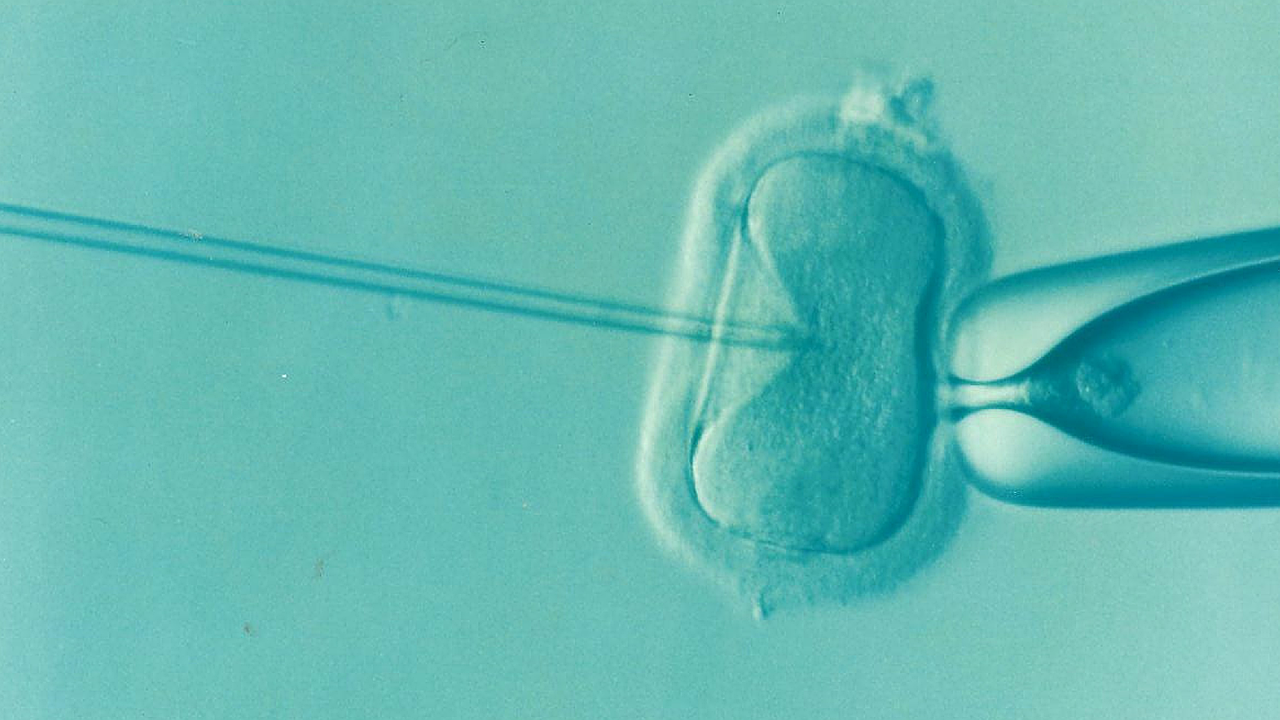
A deeply personal fertility journey has become a national legal and ethical story. In Florida, one family’s alleged IVF mix-up is now prompting broader questions about trust, accountability, and how parenthood is defined when medical systems fail.
A custody agreement ends the most immediate uncertainty
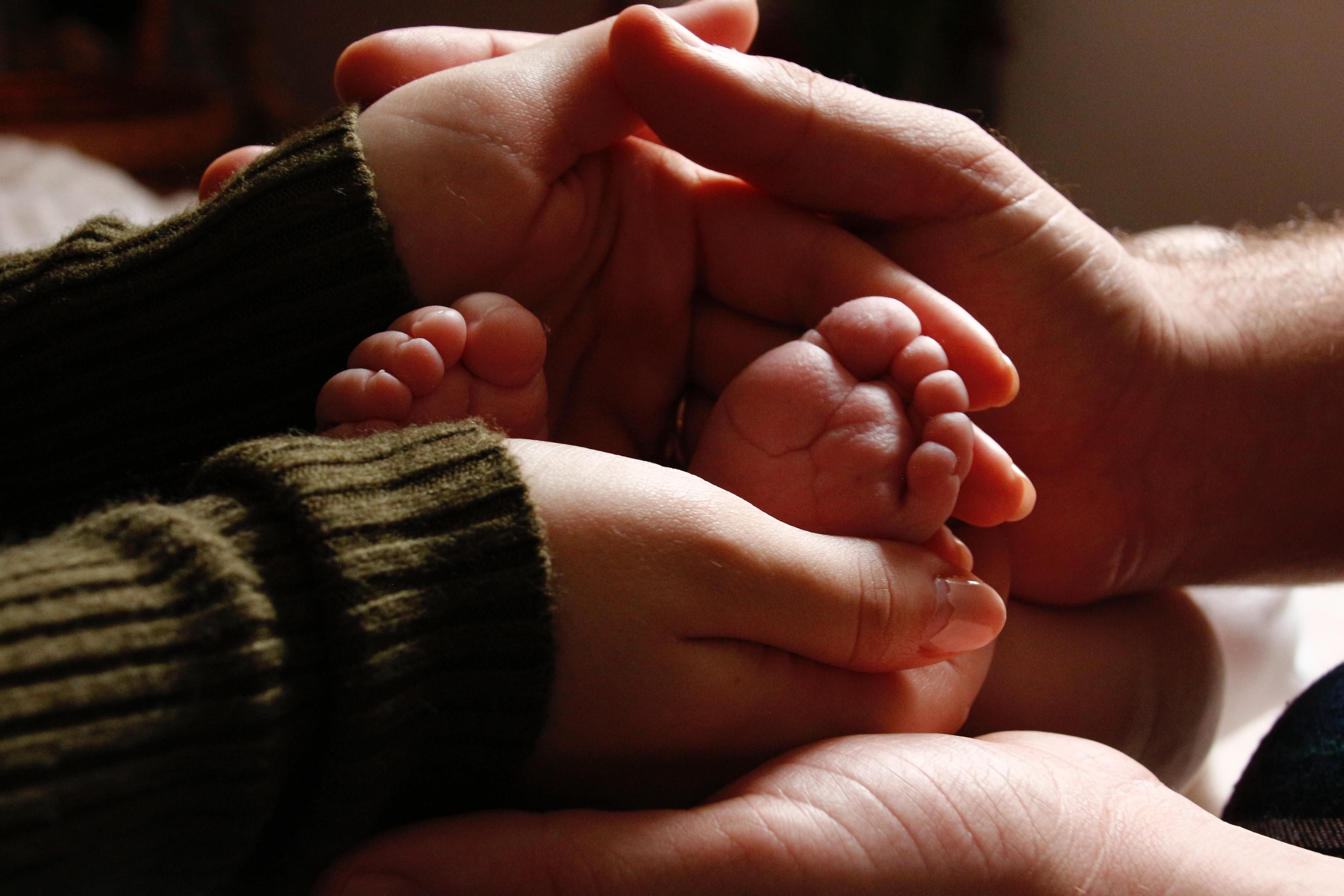
Tiffany Score and Steven Mills say they will continue raising their daughter, Shea, after reaching what court filings describe as a mutually devised custody agreement with the child’s biological parents. According to ABC News, the agreement was filed in Orange County, Florida, on June 12, 2026, and recognizes Score and Mills as Shea’s custodial parents. The arrangement appears to have resolved the most urgent question hanging over the case: who would care for the child while the larger dispute continued.
The couple welcomed Shea in December 2025 after fertility treatment at IVF Life, Inc., which did business as the Fertility Center of Orlando. After birth, they became concerned when the baby appeared not to resemble them physically, and later genetic testing confirmed Shea was not biologically related to either parent, according to the lawsuit and subsequent reporting by ABC News and NBC News. That discovery transformed a private medical experience into a legal crisis with potentially life-altering implications for two families.
The biological parents’ identities remain confidential, a point the couple’s attorneys have emphasized repeatedly. Their lawyers have said both families intend to build a relationship marked by friendship and trust, while also protecting the child’s privacy. That focus on confidentiality reflects both the sensitivity of the case and the likelihood that Shea’s long-term well-being will depend on careful boundaries as the adults involved navigate an unusually complex family structure.
The lawsuit against the fertility clinic remains central

Even with the custody issue settled for now, the legal case against the fertility clinic is far from over. Score and Mills are suing IVF Life, Inc. and Dr. Milton McNichol, the physician identified as leading the clinic before it shut down in May 2026, according to ABC News. The complaint alleges that the clinic implanted an embryo in March 2025 that was not created from Score and Mills’ genetic material, despite the couple’s contract for cryogenic storage of three viable embryos.
That allegation is the heart of the case because it raises the possibility of serious breakdowns in laboratory handling, patient identification, chain-of-custody procedures, or recordkeeping. In a later filing cited by ABC News and local outlets, the couple said information provided about their embryo history and that of other patients revealed laboratory-clinic errors that could support broader claims for damages. That language suggests the dispute may extend beyond a single mistaken transfer and into how the clinic operated more generally.
The clinic previously said it was cooperating with an investigation to determine where the error occurred and stressed transparency and the well-being of the patient and child involved. But public scrutiny intensified after the center closed its doors in May. A closure does not itself prove wrongdoing, yet in a case already defined by lost trust, it adds to the sense that patients may still be searching for answers about what happened to embryos placed in the clinic’s care.
The case exposes the emotional cost of IVF failures

Embryo mix-up cases are legally complex, but they are first and foremost human tragedies. IVF patients often endure years of infertility, repeated procedures, medication cycles, invasive monitoring, and significant financial strain before a pregnancy is achieved. In that context, the alleged loss of control over one’s embryos is not merely a paperwork failure. It strikes at identity, bodily autonomy, and the meaning many families attach to genetic connection.
For Score and Mills, the emotional burden appears to have unfolded in layers. They experienced the joy of a long-sought birth, then immediate confusion, then genetic confirmation that their daughter was not biologically theirs, and finally the fear that another set of parents might assert competing rights. At the same time, Shea’s biological parents were confronted with the possibility that their embryo had been transferred to and carried by someone else, creating a parallel form of loss and upheaval.
What makes the story especially wrenching is that no family involved is accused of wrongdoing. The court agreement and public statements suggest the adults are trying to avoid a destructive custody battle in favor of a child-centered arrangement. That restraint matters. It underscores how medical mistakes in reproductive care can create conflicts no family ever chose, leaving compassion to do work that the system should never have required.
A rare case with wider industry implications
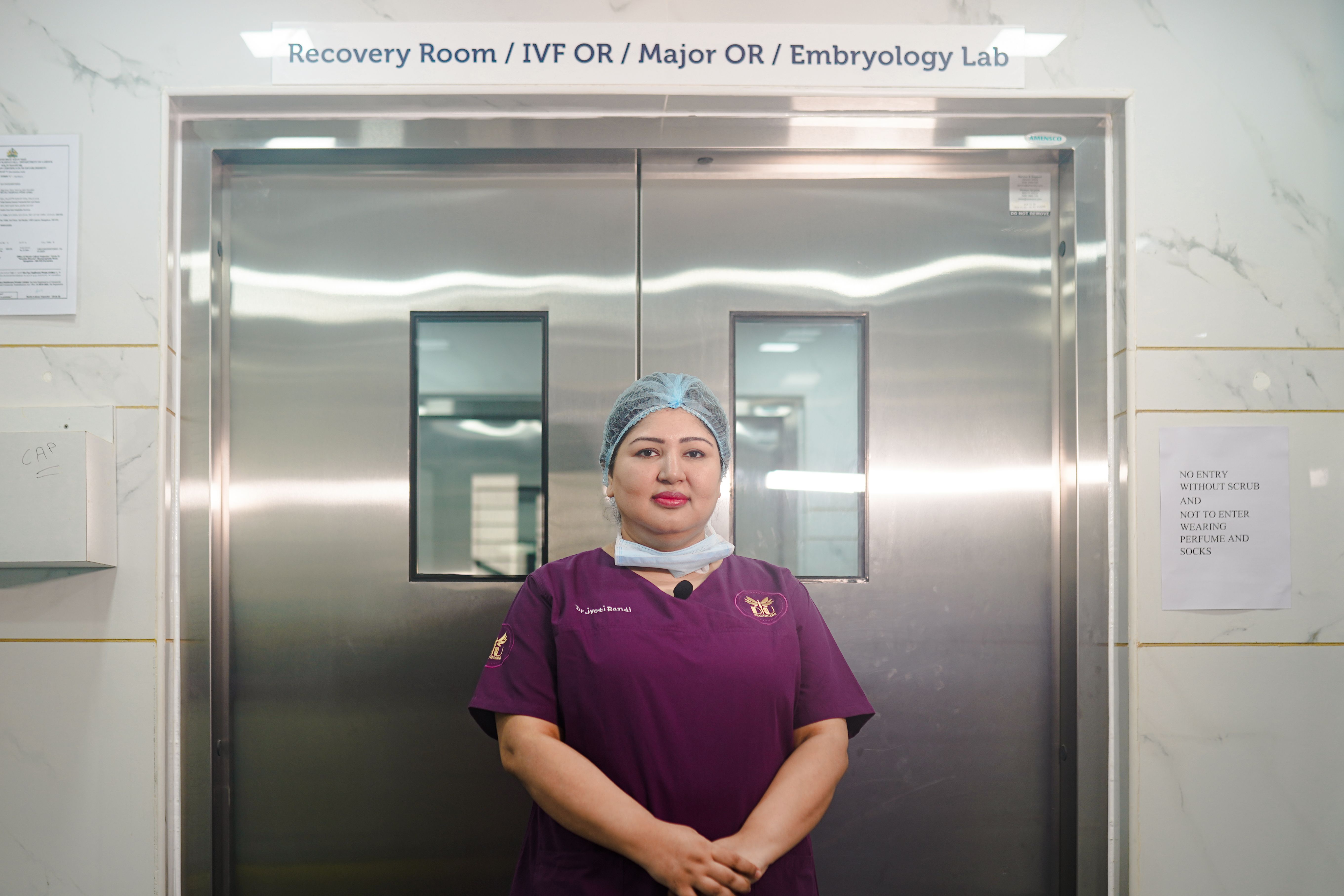
Cases involving the alleged transfer of the wrong embryo are uncommon, but they are not unheard of in the fertility industry. When they surface, they tend to attract intense public attention because they challenge a core assumption of assisted reproduction: that clinics have airtight protocols for matching patients with their own eggs, sperm, and embryos. The Florida case is especially striking because the error was not discovered until after birth, magnifying the consequences for everyone involved.
Industry experts have long noted that IVF depends on rigorous labeling, witness verification, digital tracking, and disciplined laboratory workflows. A mistake can occur at multiple points, from storage to thawing to transfer, which is why redundancy is considered essential. When a clinic error is alleged, investigators typically examine whether staff followed established procedures, whether dual verification systems existed, and whether deviations were documented or concealed.
This case may also intensify calls for stronger oversight of fertility practices in the United States. Unlike many areas of hospital-based medicine, fertility care operates in a regulatory environment that many critics consider fragmented. Professional standards exist, but enforcement and transparency can vary. A case this visible can renew pressure for more standardized reporting of adverse events, clearer patient notification rules, and tighter safeguards around embryo handling.
The legal questions go beyond biology alone

One reason embryo mix-up cases are so difficult is that parenthood in law is not always determined by genetics alone. Courts may weigh gestation, intent, existing caregiving relationships, contractual arrangements, and the best interests of the child. In this case, the June 12 custody agreement appears to have avoided forcing a judge to decide those issues in a fully contested setting, which may have spared both families a painful and unpredictable legal fight.
Still, the underlying questions remain important. Score carried and gave birth to Shea, and she and Mills have been the child’s daily parents since birth. The biological parents, meanwhile, have a genetic connection that many courts and statutes treat as deeply significant. In another case with different facts or less cooperation, those competing claims could produce a far more adversarial outcome, especially if no agreement were reached quickly.
That is one reason the lawsuit has drawn such broad attention. It illustrates how reproductive technology can outpace the legal frameworks built to govern family relationships. Even when courts can resolve custody, litigation cannot restore the pregnancy experience to the intended genetic parents or erase the attachment formed by the gestational parents. The law can allocate rights, but it has limited tools for repairing this kind of harm.
What happens next for the families and the case

The immediate future appears more stable for Shea than it did only months ago. Court filings reported by ABC News, Fox 35 Orlando, and NBC News indicate Score and Mills will remain her custodial parents, while the adults involved attempt to develop an ongoing relationship. That outcome does not eliminate the complexity of the child’s origin story, but it does provide a framework for continuity, which family law experts often regard as crucial for a young child’s development.
The litigation against the clinic may now become the primary arena for accountability. Score and Mills have already pushed for wider disclosure to former patients and for genetic testing tied to births resulting from the clinic’s embryo transfer services during the previous five years, according to ABC News. They have also said one remaining embryo has been moved to another facility, signaling how thoroughly their trust in the original clinic has collapsed.
More broadly, this case may leave a lasting mark on how patients evaluate fertility providers. Prospective parents are likely to ask harder questions about lab protocols, audit trails, and error reporting before entrusting a clinic with embryos. For the families at the center of this case, however, the story is less about policy than survival: finding a humane path forward after an alleged medical mistake changed their lives forever.