


America’s arsenal is being rethought on the factory floor. What once looked like a procurement problem is now being treated as a national manufacturing strategy.
A political slogan is becoming an industrial policy

President Donald Trump’s push for domestic weapons production has moved beyond campaign rhetoric and into formal industrial action. In June 2026, he invoked the Defense Production Act to address constraints in weapons supply and development, with special attention to munitions production and the supply chains behind it, according to Reuters. The memo cited limited production capacity, fragile supply chains, long-lead dependencies, and production bottlenecks as direct threats to defense preparedness.
That step was built on an earlier May 23, 2025 presidential determination that waived statutory requirements under Section 303 of the Defense Production Act. The order said action was necessary to increase production capacity for munitions, missiles, associated equipment, and key minerals, warning that shortfalls would severely impair national defense capability. It also explicitly linked national security to a robust domestic industrial base.
What is changing, then, is not just the volume of defense spending. It is the philosophy behind it. Trump’s approach treats weapons manufacturing the way previous administrations treated semiconductors or energy security: as a strategic domestic capability that cannot be left to thin inventories, overseas dependencies, or slow-moving supplier networks.
Why Washington is suddenly obsessed with factory capacity

The urgency comes from a hard reality: the United States has discovered that advanced weapons are only as available as the parts, chemicals, and machine capacity behind them. Reuters reported that solid rocket motors, igniters, and guidance systems are among the most constrained subsystems in the current weapons pipeline. Those are not headline products, but they are the parts that determine whether missiles and munitions can actually be built at speed.
The Pentagon has been signaling this concern for years. In its fiscal 2025 budget request, the department said it was focused on manufacturing and production challenges and sought to make supply chains more resilient. That same budget requested $29.8 billion for munitions, $4.0 billion for the submarine industrial base, and $2.5 billion for microelectronics, all areas where capacity and specialized suppliers matter as much as final assembly.
The Government Accountability Office has reinforced the warning. In a 2025 report, GAO said the Defense Department estimates that more than 200,000 suppliers help produce advanced weapon systems and other goods, yet the government still has limited visibility into where many items are manufactured or whether key inputs are domestic or foreign. That lack of visibility has turned supply-chain dependence into a strategic vulnerability rather than a routine procurement issue.
The biggest shift is happening below the prime contractors
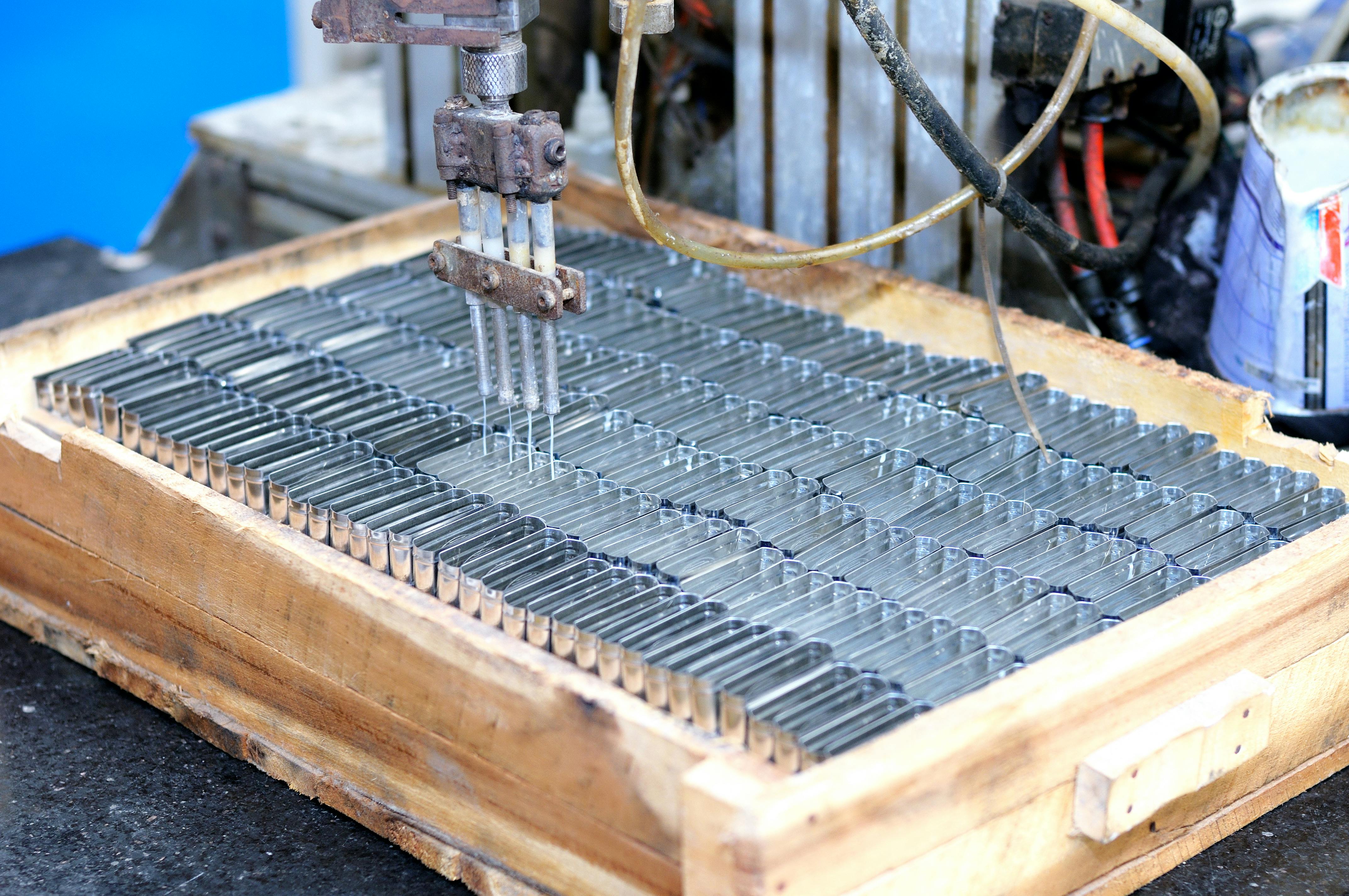
The public usually sees names like Lockheed Martin, RTX, Northrop Grumman, and General Dynamics. But the real reshaping is happening deeper in the industrial stack, among second- and third-tier suppliers that make components, energetics, chemicals, bearings, control systems, and specialty materials. These are the firms that determine whether Washington can turn budgets into actual output.
Defense budget documents show how targeted the effort has become. The Pentagon’s procurement justification for fiscal 2025 described plans to onshore mission-critical chemicals currently produced overseas and modernize a chemicals base still partly rooted in World War II-era manufacturing. It also outlined planned investments of about $156 million in solid rocket motors, $55 million in precision ball bearings, $55 million in guidance control and actuation subsystems, and $20 million in gas turbine engines.
This matters because bottlenecks in defense manufacturing rarely begin at the final assembly line. They begin when a single supplier of explosives precursors, castings, microelectronics, or propulsion parts cannot scale. Trump’s domestic production push is effectively forcing a wider industrial audit, exposing how much of U.S. military strength depends on obscure but irreplaceable manufacturing nodes.
Minerals, materials, and munitions are now one strategy
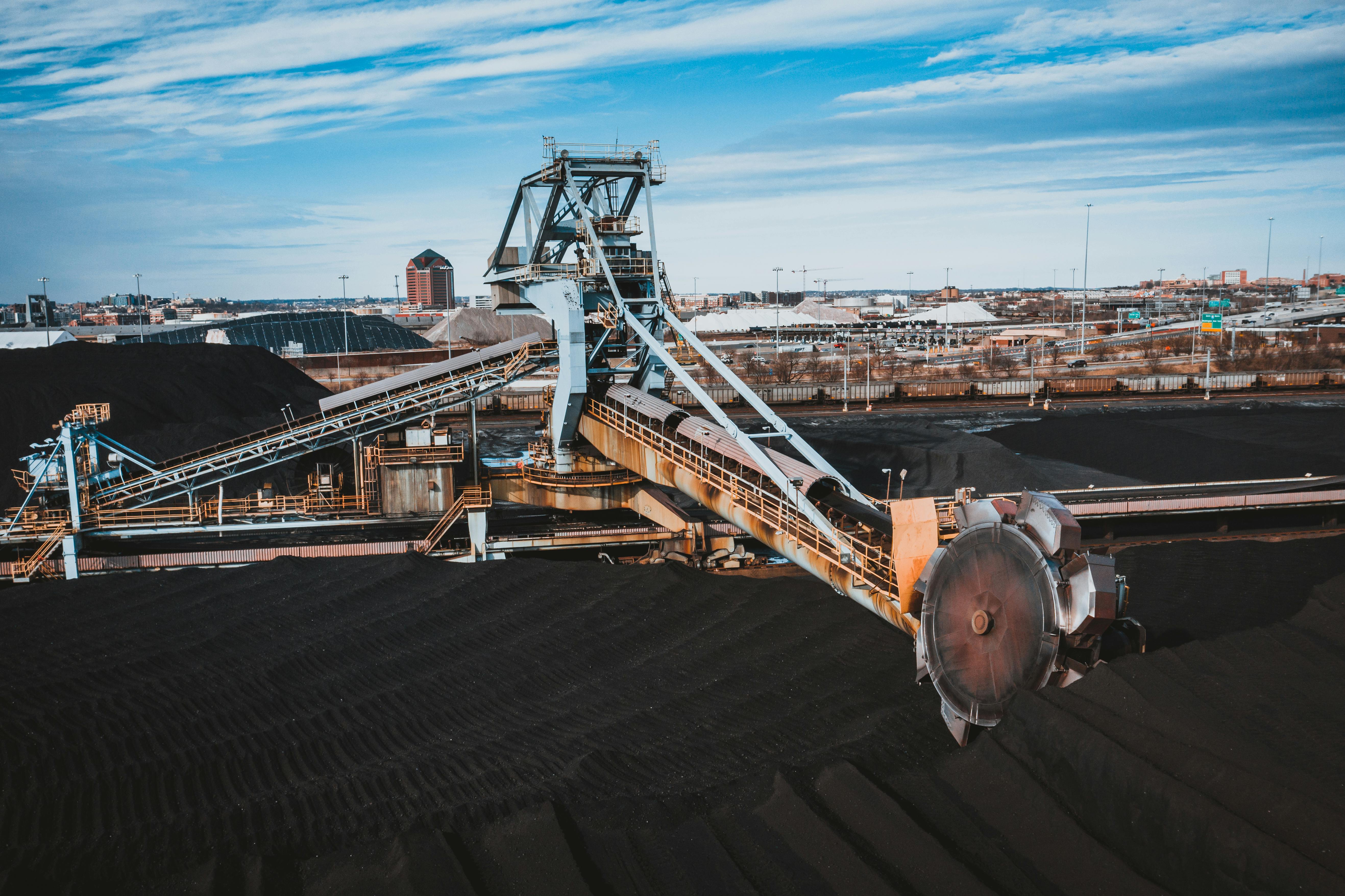
A notable feature of Trump’s approach is that it links weapons output to raw-material security. The May 2025 presidential waiver did not focus only on missiles and munitions; it also covered critical minerals as well as uranium, copper, potash, and gold. That reflects a broader recognition that defense manufacturing starts long before metal is cut or propellant is mixed.
Recent Pentagon-supported moves show how that logic is spreading. Reuters reported that U.S. Antimony won a $245 million Pentagon contract to help build the defense stockpile, underscoring concern about domestic access to strategic materials used in munitions and other defense applications. Antimony is a niche mineral to most Americans, but for defense planners it represents the kind of single-point dependency that can cripple surge production in a crisis.
This fusion of mining, refining, and arms production marks a deeper industrial turn. Instead of treating defense as a matter of buying finished systems, policymakers are increasingly treating it as an ecosystem that includes minerals processing, energetics production, advanced machining, and secure electronics. That is a more expansive and expensive model, but it is also one designed for endurance rather than efficiency alone.
Exports are being used to build domestic scale
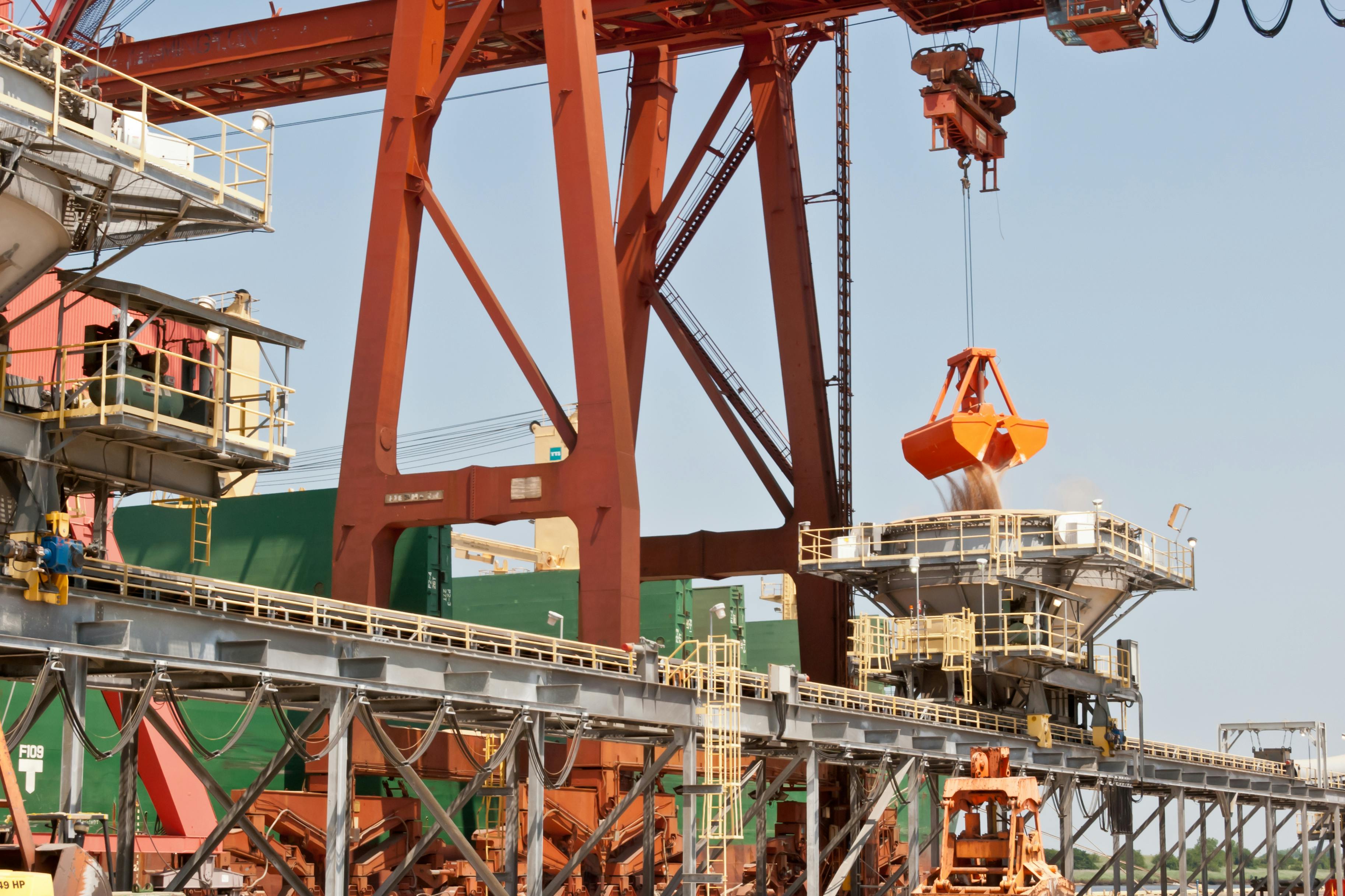
Trump’s manufacturing strategy also extends into arms sales. Reuters reported in February 2026 that his “America First Arms Transfer Strategy” would prioritize foreign military sales to countries with higher defense spending and greater strategic importance, partly to accelerate delivery of U.S.-made weapons and use foreign purchases to expand domestic production capacity. In other words, exports are being treated not just as diplomacy, but as a way to finance larger and steadier U.S. production runs.
That matters because defense factories operate best with predictable volume. A plant asked to build in bursts for occasional Pentagon orders tends to be expensive and inefficient. A plant supported by domestic demand plus allied orders can justify more hiring, tooling, and automation, reducing unit costs and strengthening surge capacity.
The logic is straightforward: allies help underwrite the industrial base that the United States itself may need in wartime. The risk, however, is that export prioritization can create political friction, delivery trade-offs, and questions about whether U.S. needs or allied demand come first. Still, from a manufacturing perspective, larger order books make domestic production more viable.
The new defense factory model will be costlier, but harder to break

The defense industrial base that emerges from this push will likely be less lean and less globalized than the one that preceded it. Domestic sourcing, redundant suppliers, mineral stockpiles, and idle surge capacity all cost money. Yet the strategic argument is that resilience has become more valuable than peacetime efficiency, especially after years of geopolitical tension and concerns about the pace of weapons replenishment.
That does not mean every part will be made in America or that reshoring will happen quickly. GAO’s findings show that the supplier web is vast and still imperfectly mapped, and many specialized capabilities cannot be recreated overnight. Workforce shortages, environmental permitting, aging plants, and limited machine-tool depth remain real constraints even when Washington provides money and political urgency.
Still, Trump’s push is already changing the terms of debate. The central question is no longer whether the United States should rebuild domestic weapons production capacity, but how far that rebuilding should go and who will pay for it. Defense manufacturing is being recast as a pillar of national power, and that shift may outlast the politics that accelerated it.