

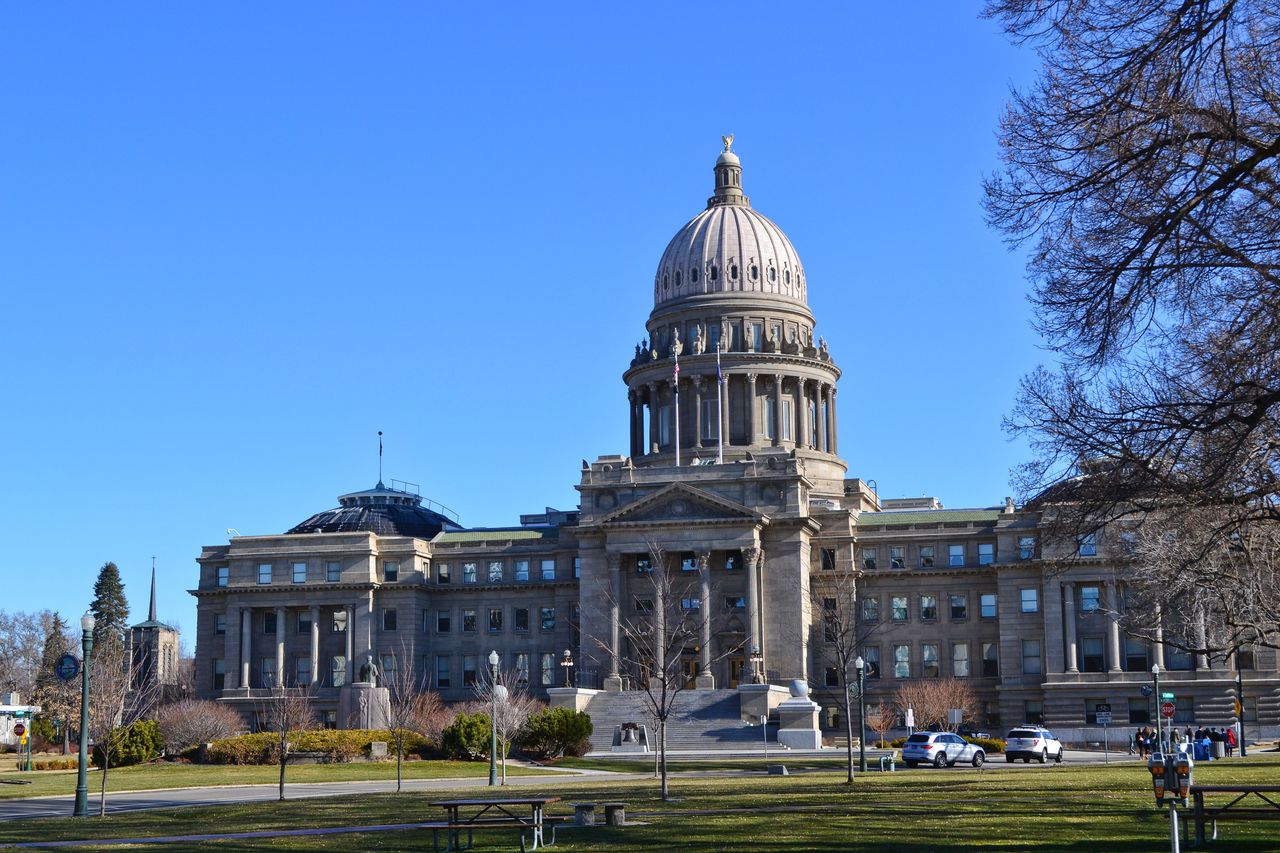
A federal court ruling has halted one of the country’s toughest restroom laws before it could fully take effect. For transgender Idahoans, the decision removes an immediate threat of arrest while a broader legal fight moves forward.
What the judge decided
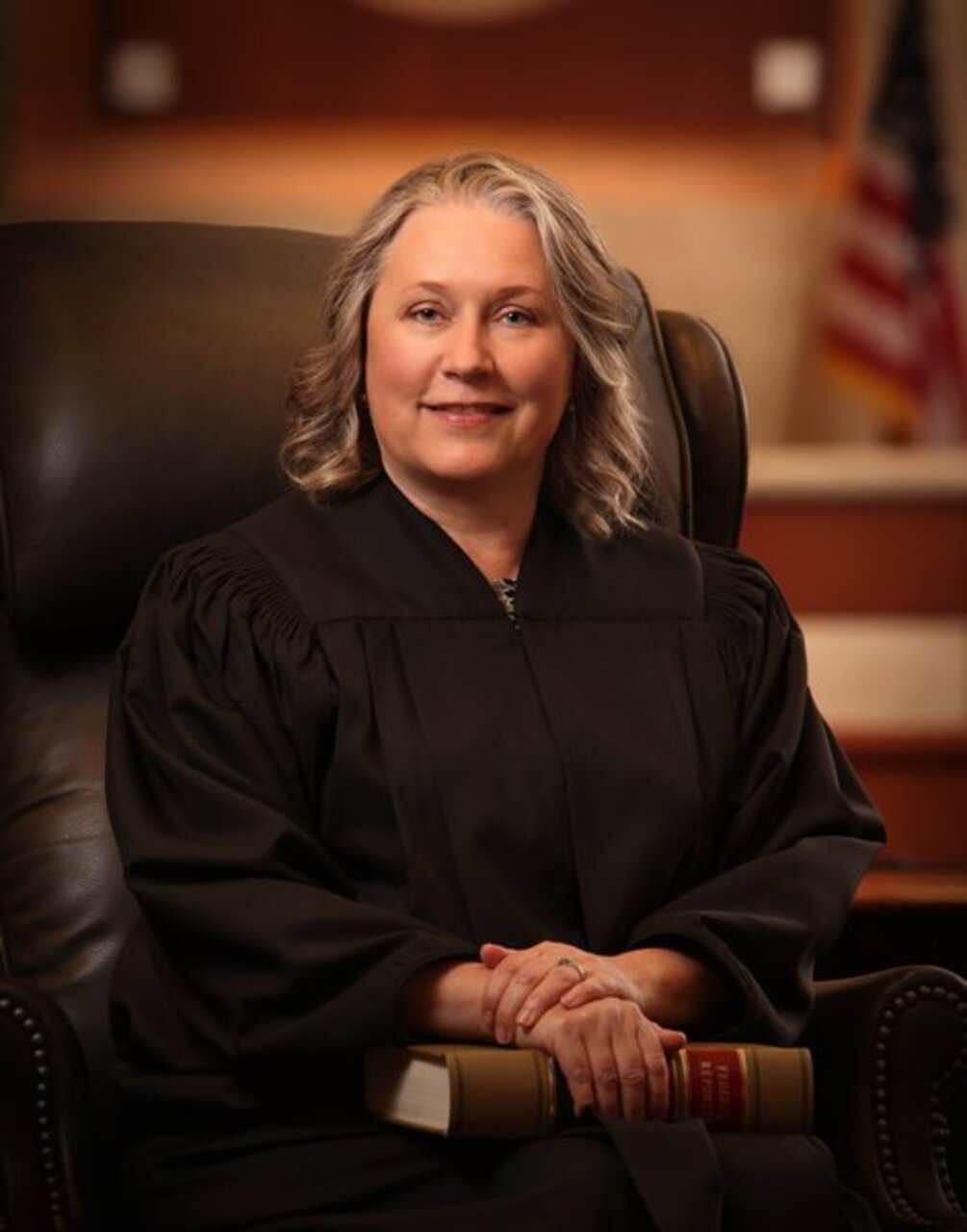
U.S. District Judge Amanda Brailsford ruled that Idaho cannot criminally charge transgender people under key parts of a new state law aimed at restricting restroom access in public places. The law, adopted in March and scheduled to take effect July 1, was unusually sweeping because it extended beyond schools and government buildings to include privately owned buildings open to the public.
Rather than striking down the entire law outright, Brailsford issued a preliminary injunction that blocks enforcement in important circumstances. According to the ruling, the state may not enforce the law against someone using a single-stall restroom, and it also cannot enforce it when no single-user restroom is available and unoccupied on the same floor as a multi-user facility.
That distinction matters because preliminary injunctions are designed to prevent likely constitutional harm before a case is fully resolved. In practice, the ruling means transgender people in Idaho will not face immediate criminal exposure simply for entering many public restrooms that match their gender identity while the courts continue to examine whether the statute can stand.
Why Idaho’s law stood out nationally
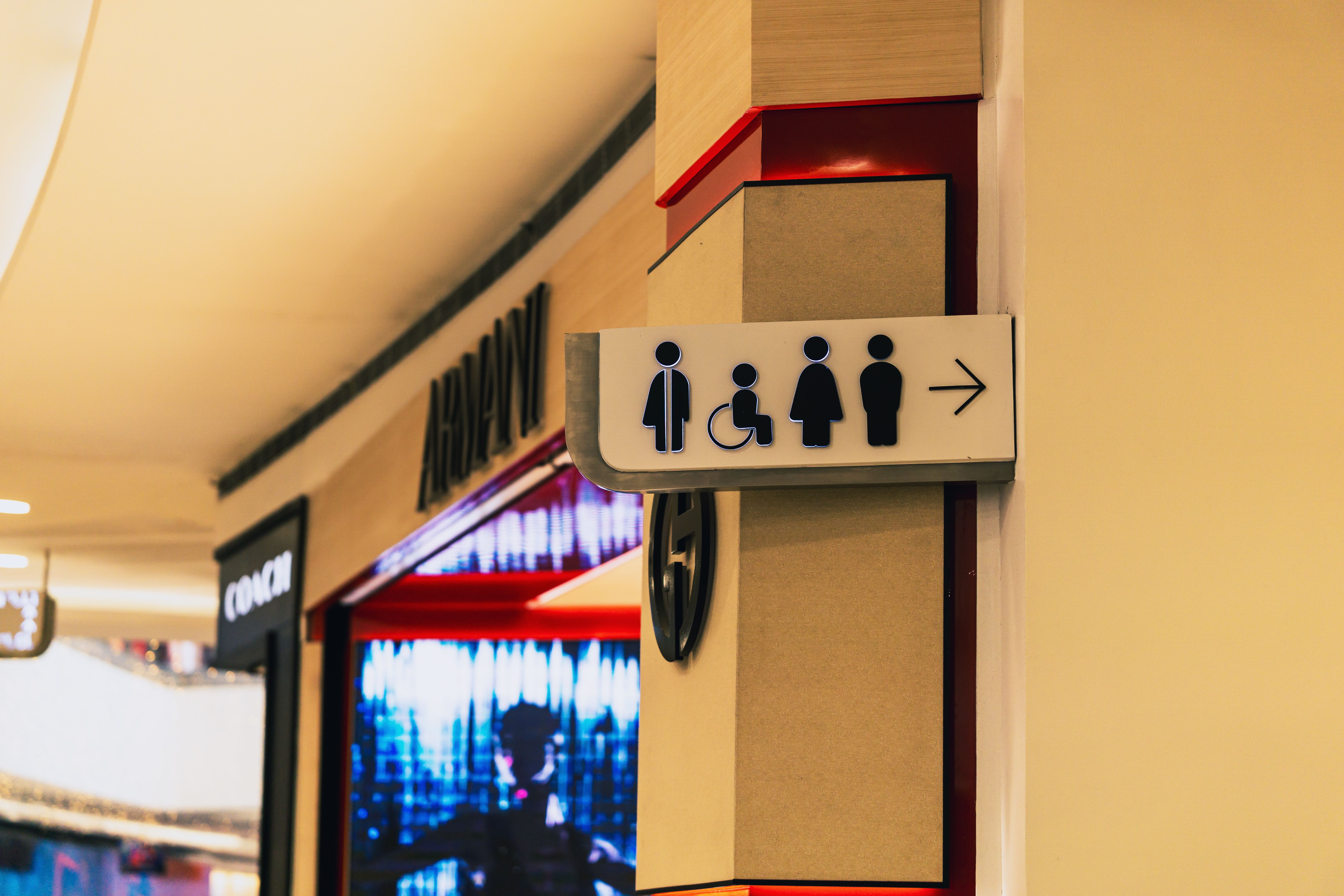
At least 19 states have enacted laws restricting which bathrooms transgender people can use in schools or certain public buildings. Idaho’s measure went farther than many of them. It reached restrooms in private businesses and other venues so long as those facilities were open to the public, dramatically expanding the law’s real-world footprint.
The penalties were also unusually severe. A first offense could bring up to a year in jail, while a second offense could lead to as much as five years in prison. That elevated what is often handled through policy disputes or civil enforcement into the realm of criminal law, raising the stakes for everyday decisions about where to use the restroom.
The law also contained narrow exceptions that immediately drew scrutiny. It allowed use of a single-use restroom designated for the “opposite sex” when it was the only “reasonably available” option and when the person was in “dire need.” Those phrases became central to the legal challenge because they left major questions unanswered about how police, businesses, and the public were supposed to interpret them.
Why did the court find key parts too vague
The lawsuit was brought by six transgender Idaho residents represented by Lambda Legal and the American Civil Liberties Union. Their core argument was that the law was unconstitutionally vague, meaning ordinary people could not reliably tell what conduct was prohibited, and law enforcement would be left with too much subjective discretion.
Judge Brailsford largely agreed with that concern. The vagueness doctrine is a longstanding constitutional principle requiring criminal laws to give fair notice and clear standards. When a statute can send someone to jail, courts are especially wary of ambiguous language because unclear rules can produce arbitrary or discriminatory enforcement.
The phrase “dire need” became a vivid example of that problem. The Idaho Chiefs of Police Association had expressed concern about how officers could determine whether someone met that standard in the moment. A law that depends on a police officer judging the urgency of another person’s restroom need invites inconsistency, confusion, and conflict, all of which strengthened the plaintiffs’ case for emergency relief.
What does the ruling mean on the ground

For now, the most immediate consequence is practical rather than symbolic. Transgender people across Idaho can use many public restrooms without the same fear that a routine act could trigger arrest or prosecution under the blocked provisions. That is especially important in airports, restaurants, shopping centers, medical offices, and other places where restroom access is a basic part of public life.
Civil rights lawyers framed the order as a major, if temporary, safeguard. Lambda Legal attorney Kell Olson said the ruling allows transgender people in Idaho to find and use a public restroom without the threat of arrest looming over them. ACLU attorney Barbara Schwabauer described the injunction as a first step in challenging what she called a violation of privacy and equality.
Even so, the judge did not erase the law in full. Idaho officials have emphasized that portions related to changing rooms and some restroom situations may still take effect. That means businesses, schools, and public-facing facilities may still face uncertainty as they interpret what remains enforceable while the case proceeds.
Idaho’s response and the coming appeal
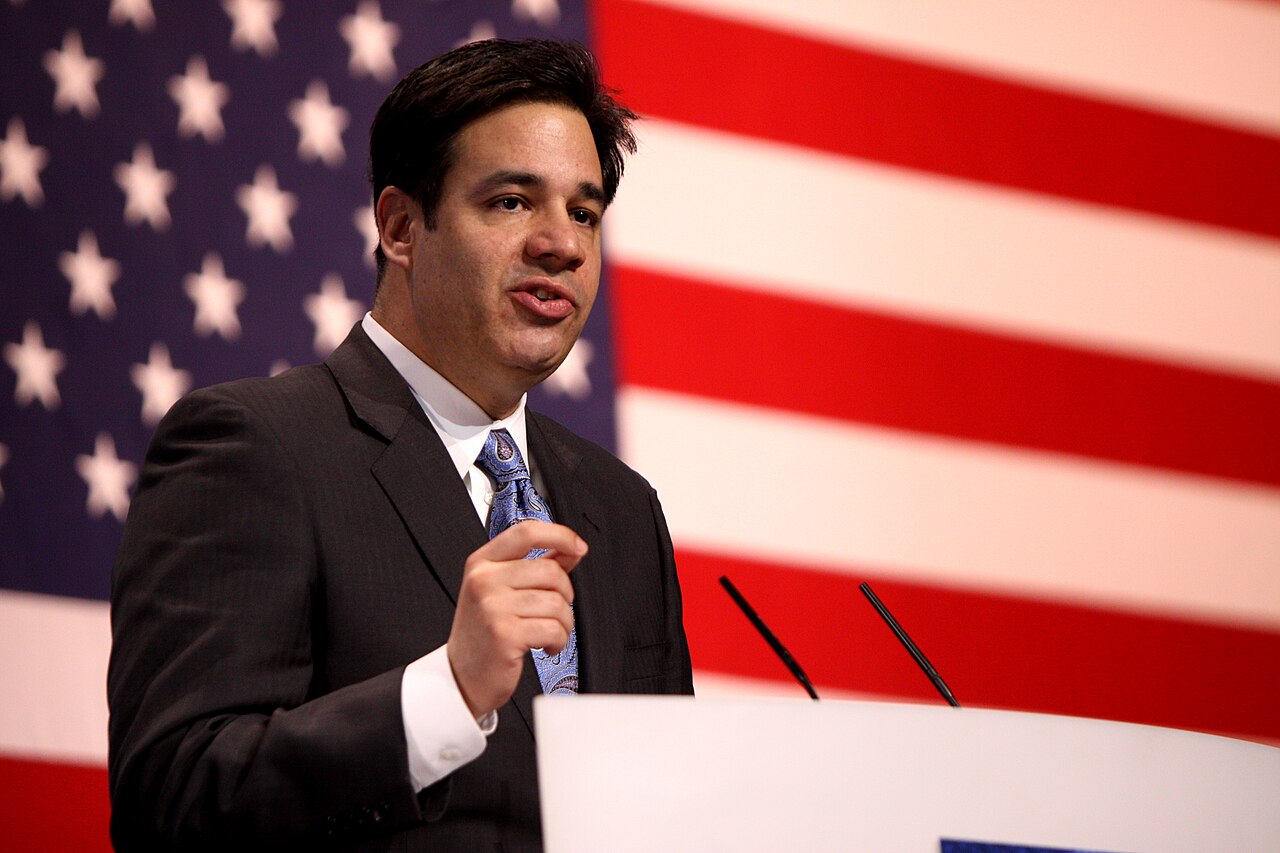
Idaho Attorney General Raul Labrador said the state plans to appeal the ruling. In his response, he argued that the decision was driven by a desired outcome rather than a faithful reading of the statute. He also rejected the idea that the law’s core terms are unclear, saying biological sex is not vague and neither is the law.
That appeal was widely expected. Idaho lawmakers and state officials have defended the measure as a privacy and safety law, a framing that has become common in statehouse debates around transgender access to public spaces. Supporters are likely to argue that the injunction undermines the state’s authority to regulate sex-segregated facilities.
Appeals in cases like this often turn on both constitutional doctrine and judicial interpretation of practical enforcement problems. Higher courts will likely examine whether the plaintiffs showed a strong likelihood of success on the merits, whether they face irreparable harm, and whether the public interest favors blocking the law while litigation continues.
Why this case matters beyond Idaho
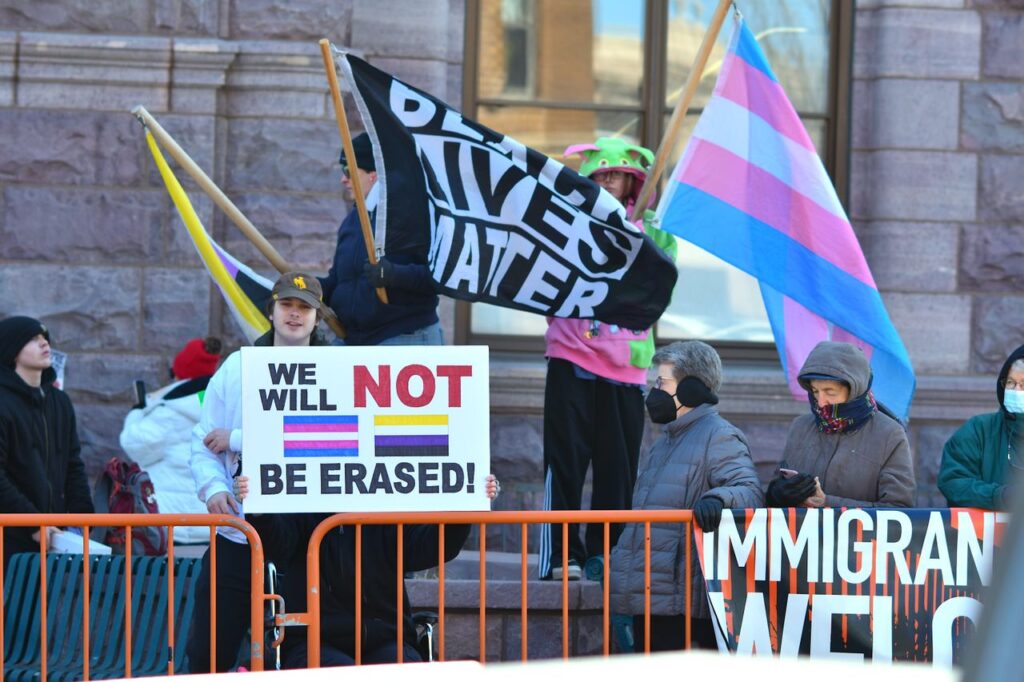
This case sits at the intersection of two larger national debates: how far states can go in regulating transgender people’s access to public life, and how precise criminal laws must be when they govern intimate, everyday conduct. Because Idaho attached jail time to restroom use, the case drew attention well beyond the state’s borders.
It also illustrates how legal challenges can focus not only on equal protection or discrimination, but on the mechanics of enforcement. A statute may be defended in broad moral or political terms, yet still fail if police, business owners, and the public cannot consistently understand what it requires. That is one reason this ruling could resonate in future litigation over similar laws elsewhere.
For now, the order is temporary, not final. But temporary rulings can shape real lives in immediate ways. In Idaho, the court has signaled that when criminal penalties are involved, ambiguity is not a minor drafting flaw. It can be a constitutional defect with serious human consequences.