

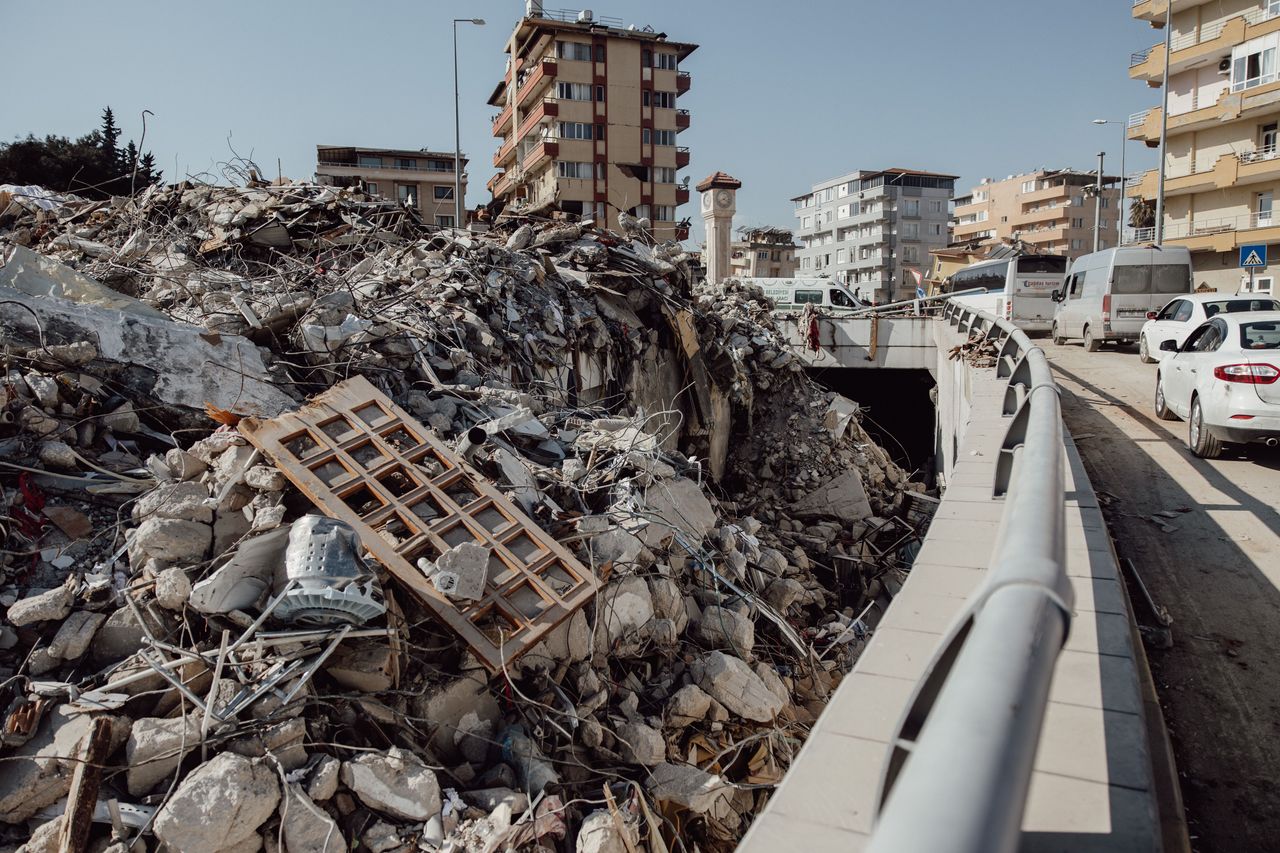
The ground has been quiet, but experts are increasingly uneasy. In California, that silence is not always reassuring.
Why experts say the danger is rising now
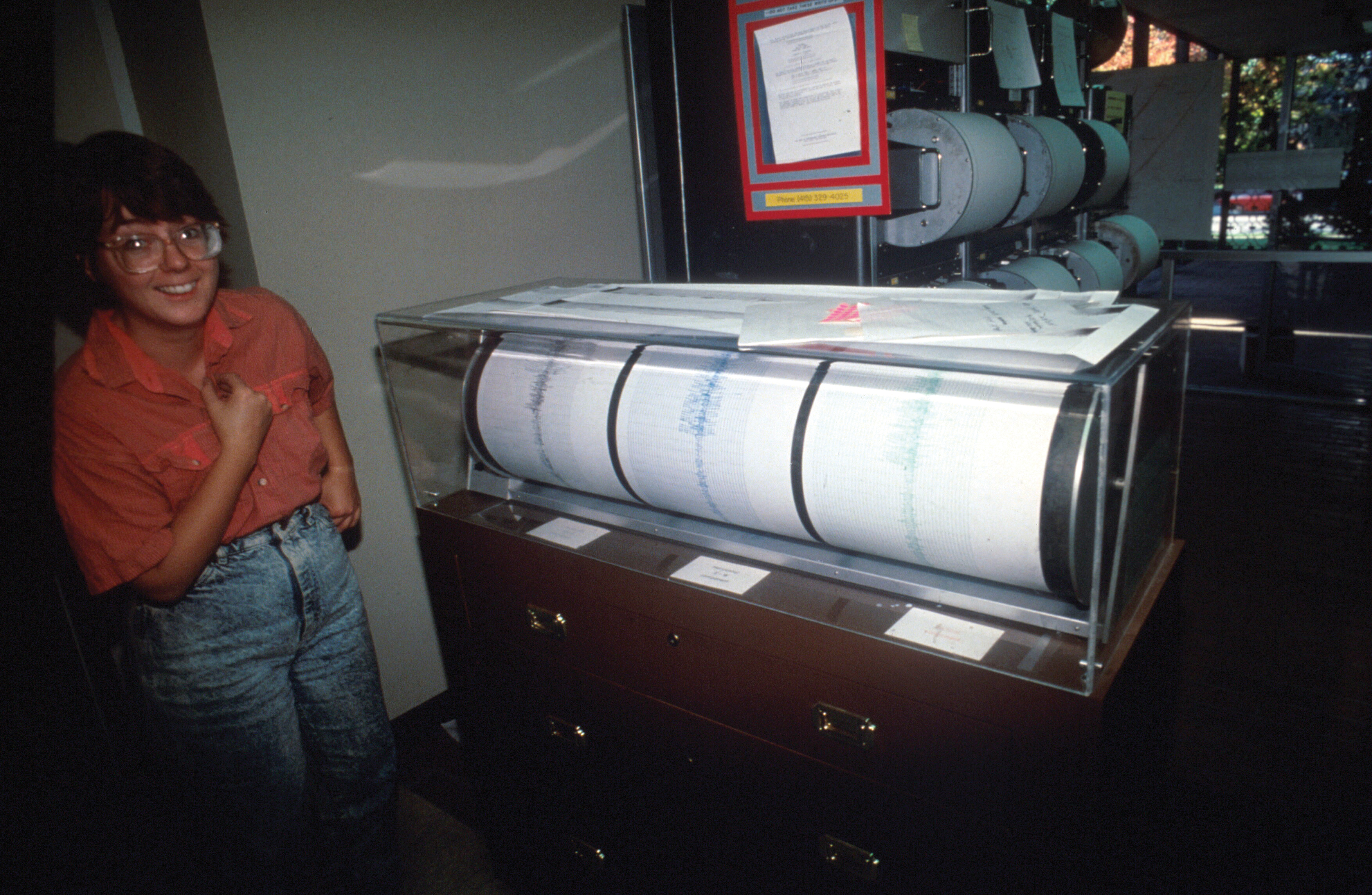
Seismologists have warned for years that California is overdue for major seismic activity, but recent assessments have sharpened that concern. Researchers tracking strain along the San Andreas Fault system and connected faults say the probability of a powerful quake is elevated because stress has continued to accumulate without being fully released. In earthquake science, a long lull can be as concerning as a swarm.
What experts mean by “higher risk” is not that a disaster is certain tomorrow. It means the underlying conditions that produce large earthquakes appear more primed than they have in recent years. According to specialists cited in recent reporting, some regions are now viewed as being at a “historic high” in terms of the chance of a major event, particularly a very large rupture involving heavily stressed fault segments.
California’s geology explains why this warning carries weight. The state sits along the boundary where the Pacific Plate and North American Plate grind past each other. That motion never stops. When faults lock, pressure builds silently underground until it breaks loose in seconds, sending energy outward as shaking that can devastate communities far from the epicenter.
The fault lines drawing the most attention
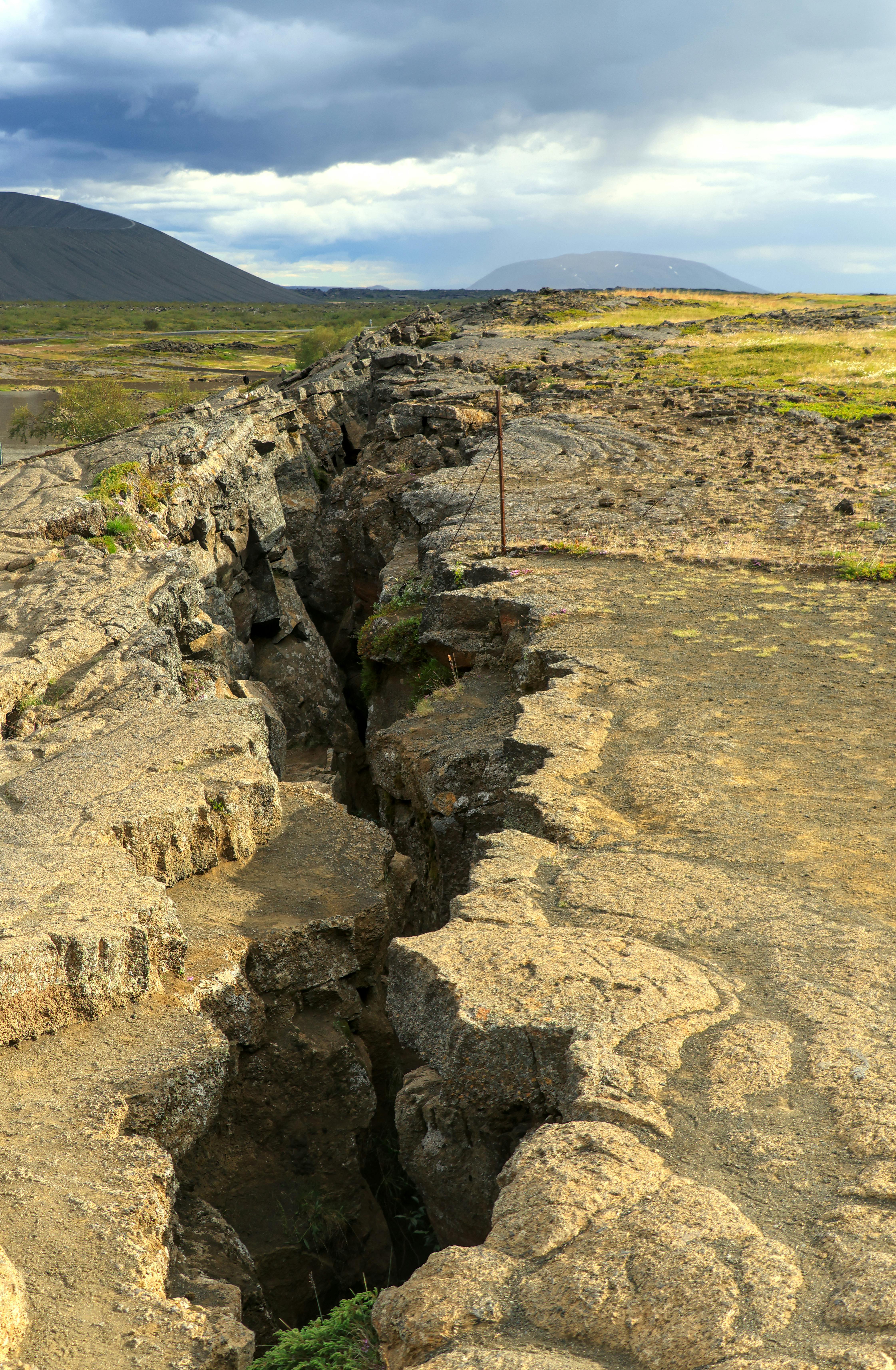
The San Andreas Fault remains the most famous and most closely watched. Stretching roughly 800 miles, it is not one single crack acting uniformly but a complex system with segments that behave differently. The southern San Andreas is especially concerning because it has not produced a truly major rupture in centuries, leading many researchers to believe substantial strain has been loading there over time.
Experts also watch the Hayward Fault in the Bay Area, often described as one of the nation’s most dangerous faults because it cuts through densely populated urban corridors. A strong quake there would affect homes, hospitals, transit systems, water lines, and power infrastructure across multiple cities. The Hayward has produced damaging earthquakes in the past and is considered capable of doing so again with little warning.
Other systems matter too, including the San Jacinto Fault, which many scientists see as highly active and capable of significant events. California’s hazard does not come from one single source. It comes from a network of interacting faults, each storing and transferring stress in ways that make statewide risk both persistent and difficult to simplify into one headline number.
What a “major” California earthquake could look like
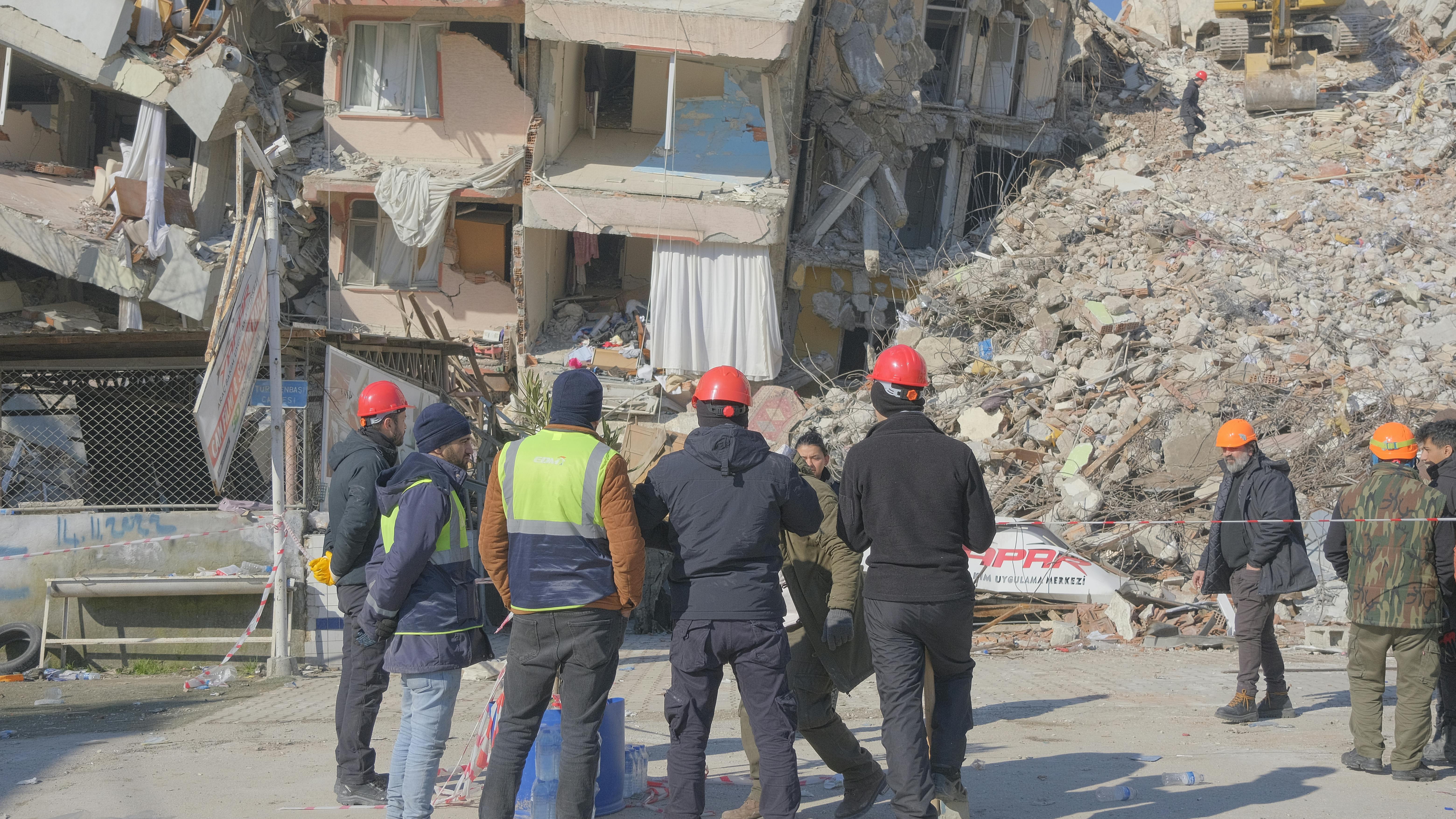
A major earthquake in California does not only mean collapsed buildings near the fault. Modern disaster models show cascading impacts that can spread across regions. A large quake in Southern California could rupture roads, damage aqueducts, ignite fires, sever communications, and disrupt freight movement through some of the country’s most important economic corridors. Even areas built under newer codes can suffer from utilities failure and prolonged displacement.
The U.S. Geological Survey and state emergency planners have repeatedly modeled scenarios involving quakes of magnitude 7.8 or larger on the southern San Andreas. Those exercises project thousands of injuries, widespread infrastructure damage, and economic losses reaching into the tens or even hundreds of billions of dollars. The real danger is not only the shaking itself but what follows in the first hours and days.
History offers a sobering guide. The 1906 San Francisco earthquake and fire, the 1989 Loma Prieta earthquake, and the 1994 Northridge quake all showed how vulnerable even advanced urban areas can be. Each event exposed failures in buildings, transportation systems, and emergency response assumptions, prompting reforms that have helped but not eliminated the underlying risk.
Why recent quiet periods can worry scientists

To the public, fewer earthquakes can sound like good news. To experts, a quiet stretch on a major fault can mean that tectonic stress is continuing to build beneath the surface. Earthquakes occur when that stress finally exceeds the friction holding rocks in place. If a fault segment stays locked for a long time, the eventual rupture can be more consequential depending on how much energy has accumulated.
That does not mean scientists can pinpoint the exact day or year of a major quake. Earthquake prediction in that sense remains beyond current science. What researchers can do is estimate probabilities, study fault behavior, and identify areas where the physical conditions suggest increased concern. That is why warnings about elevated risk should be understood as evidence-based hazard assessments, not alarmist guesses.
A similar pattern has shaped expert thinking in other seismic zones worldwide. Long intervals between major ruptures have preceded destructive earthquakes in places such as Japan, Chile, and Turkey. California is better monitored than many of those regions, but monitoring does not reduce danger by itself. It simply gives officials and residents more information before the inevitable occurs.
How California has improved and where vulnerabilities remain
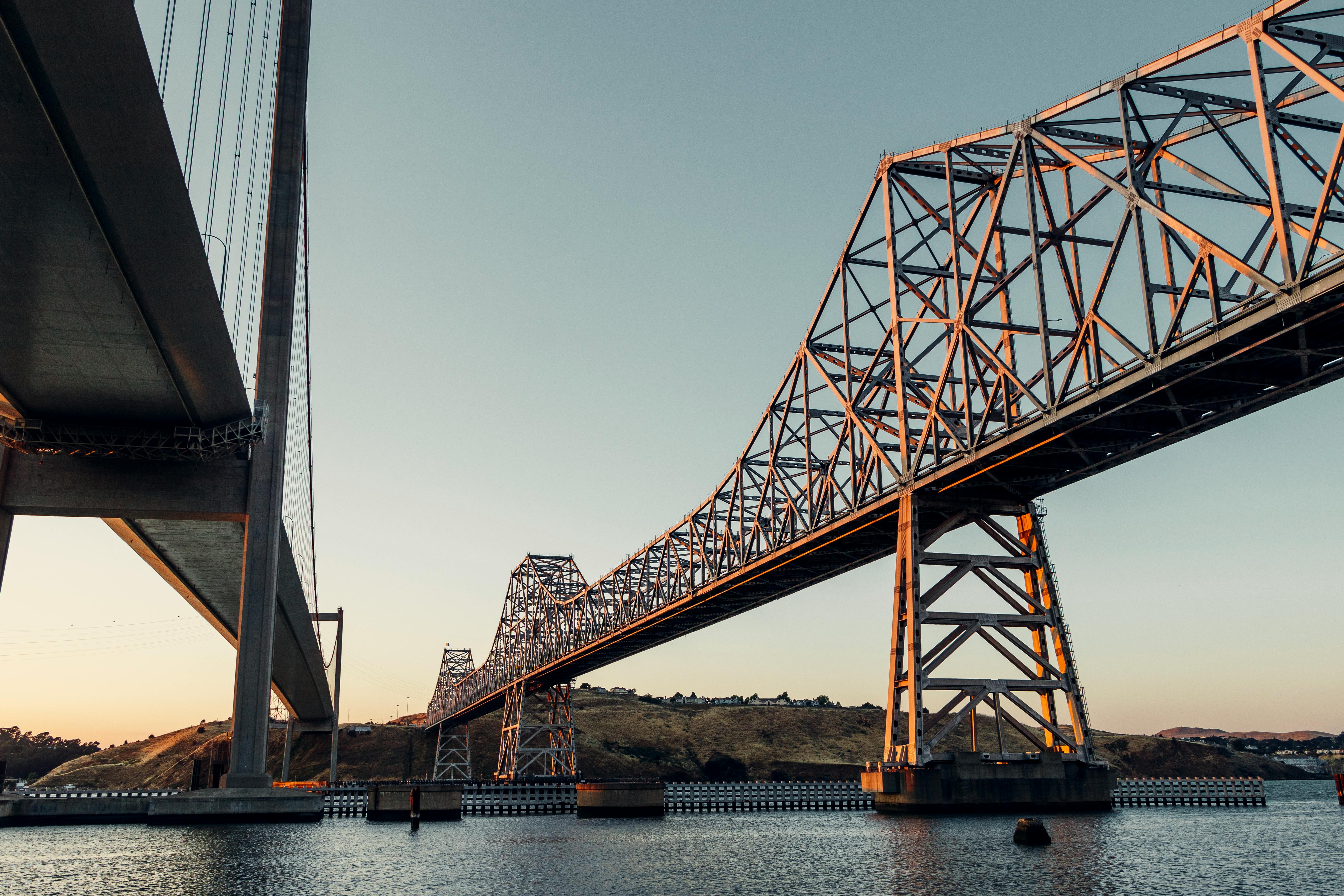
California is far better prepared than it was decades ago. Building codes have grown stricter, engineers have retrofitted many bridges and public buildings, and early warning technology now gives some people a few seconds of notice before shaking arrives. Systems like ShakeAlert can automatically slow trains, open firehouse doors, and alert hospitals and schools, reducing injuries in critical moments.
Still, preparedness is uneven. Many older apartment buildings, soft-story structures, unreinforced masonry properties, and aging utility lines remain vulnerable, especially in lower-income communities where retrofits are expensive and slow. Mobile homes, hillside developments, and neighborhoods with limited evacuation routes also present challenges. A major quake exposes existing inequality because recovery depends heavily on insurance, savings, and access to aid.
Water and power systems remain major concerns. If pipelines, transmission networks, or fuel routes are damaged, recovery can drag on for weeks. Experts often emphasize that California is not only preparing for shaking; it is preparing for a complex systems failure in which transportation, housing, healthcare, and commerce all come under sudden stress at once.
What should residents do as the risk increases?

Experts consistently say the most useful response is practical preparation, not panic. Households should secure heavy furniture, strap water heaters, identify safe spots in each room, and keep enough supplies for several days without outside help. That means water, medications, flashlights, backup batteries, chargers, first-aid essentials, and copies of important documents stored where they can be reached quickly.
Families should also talk through communication plans. After a major quake, local calls may fail while text messages sometimes go through. Choosing an out-of-area contact, knowing school and workplace procedures, and planning for pets can reduce confusion. For renters and homeowners alike, reviewing insurance coverage is another critical step because standard policies often do not include earthquake damage.
The broader message from experts is simple: rising risk is a warning to act before the shaking starts. California cannot stop tectonic motion, but it can reduce the human toll through stronger buildings, smarter infrastructure, and more prepared households. When scientists say the threat is higher than it has been in years, they are not forecasting doom. They are offering time to get ready.