

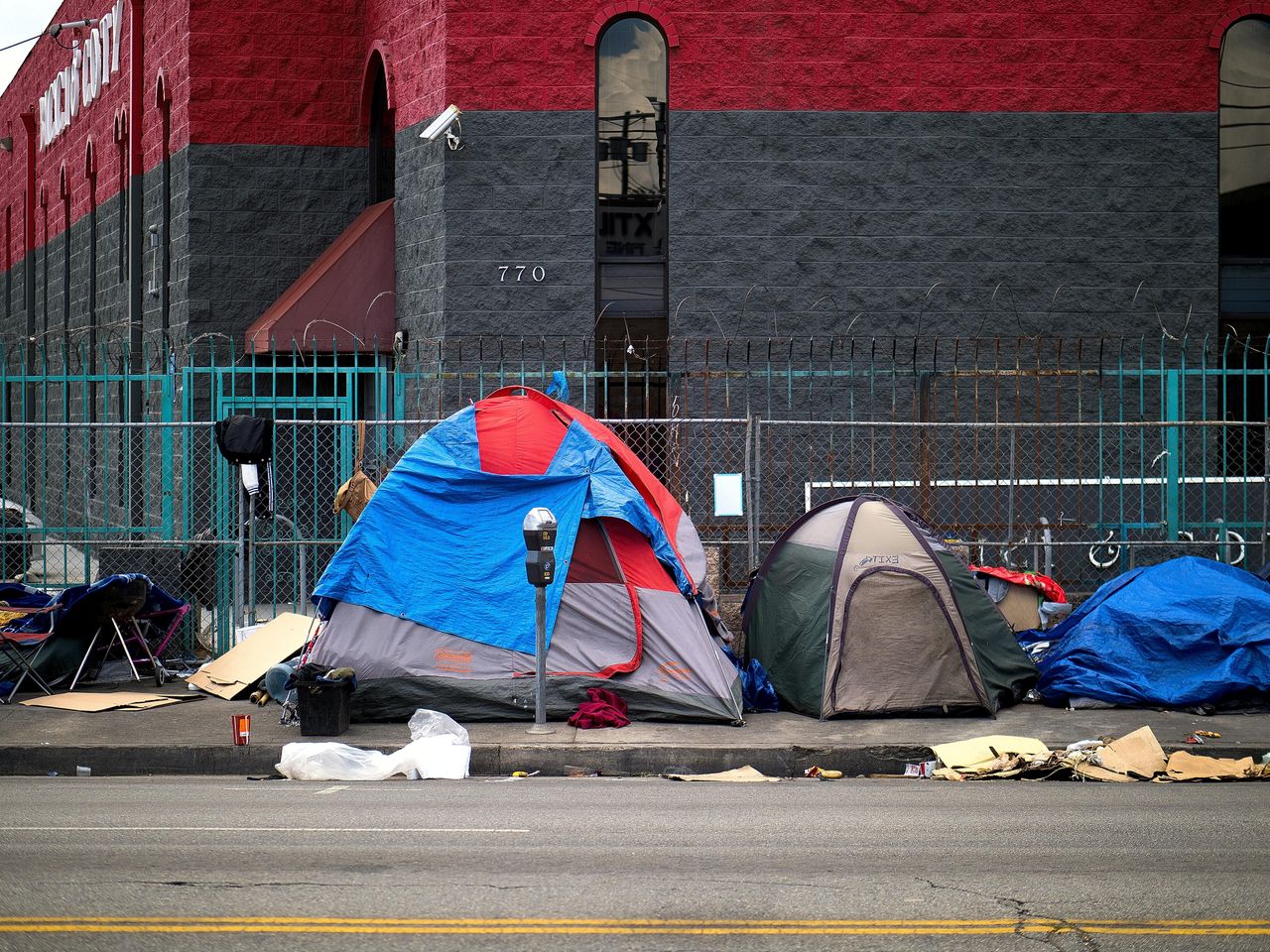
Los Angeles has spent years declaring homelessness its most urgent crisis. Now a federal finding suggests part of the system built to solve it may have been paying for failure.
What HUD says went wrong

The controversy centers on findings tied to the Los Angeles Homeless Services Authority, or LAHSA, and a housing effort that was supposed to move vulnerable residents indoors quickly. According to reporting on the federal review, HUD identified roughly $10 million in questionable spending connected to subsidized units that remained vacant even as service providers and administrators continued to be paid. That basic contradiction has become the scandal’s defining image: empty apartments, full invoices, and thousands of people still sleeping outside.
At issue is not simply whether some units had ordinary turnover delays. In large housing systems, a short vacancy period can be expected as apartments are cleaned, repaired, inspected, and prepared for a new tenant. The allegation here is more serious: that publicly funded housing resources were left unused for extended periods while the region continued to plead for more money to address a declared emergency.
The findings strike at the heart of public confidence because Los Angeles has repeatedly framed homelessness as both a moral and fiscal priority. Voters have approved tax measures, elected officials have expanded spending, and agencies have promised that scale would improve outcomes. A federal determination that millions may have been wasted on unoccupied units suggests the problem may be as much managerial as financial.
Why vacant units matter in a homelessness emergency
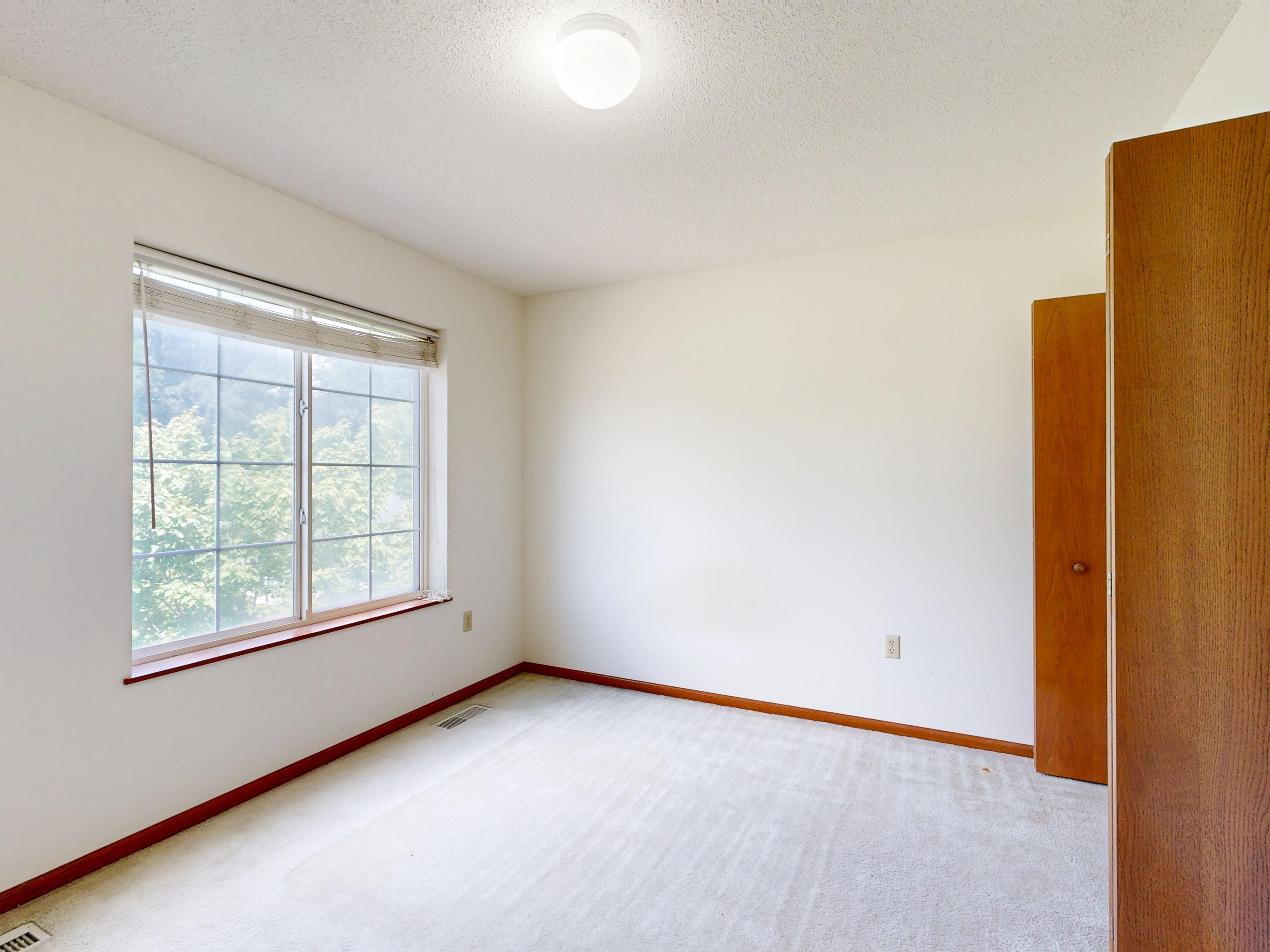
In any city, paying for apartments that sit empty is troubling. In Los Angeles, where encampments line sidewalks, underpasses, and industrial corridors, it carries a deeper political and humanitarian charge. Every vacant unit represents not just an accounting issue but a missed intervention for someone facing exposure, illness, victimization, or chronic instability. When hundreds of units remain unused, the gap between funding and results becomes impossible to ignore.
Homelessness experts often stress that housing placement systems are complex. Clients may need identification documents, mental health support, medical clearance, transportation, or help navigating leases. Landlords may impose conditions, and providers may struggle with staffing shortages. Those realities are real, but they do not erase the core expectation that emergency housing programs should move people into units quickly, especially when public officials are asking taxpayers for ever-larger commitments.
This is why the scandal resonates beyond one agency. It reinforces a long-running critique that Los Angeles has built a homelessness bureaucracy that excels at process, meetings, and contract growth, but too often fails at speed and measurable placement. If federal auditors are correct, the issue is not merely underperformance. It is a system in which incentives may have drifted away from occupancy and toward administrative continuity.
The accountability questions facing LAHSA and city leaders

The federal review raises immediate questions about who knew what, and when. LAHSA plays a central coordinating role in the region’s homelessness response, but it operates within a broader web of city officials, county agencies, nonprofit contractors, and property partners. That layered structure can diffuse responsibility. When programs succeed, many offices claim credit. When they fail, each can point to another as the real decision-maker.
One of the central issues is contract oversight. Housing programs are typically governed by performance benchmarks, reimbursement rules, and compliance reporting. If units remained vacant while payments continued, critics will ask whether the contracts were poorly written, weakly enforced, or ignored in practice. They will also want to know whether occupancy data was accurate, current, and visible to decision-makers in real time.
The political consequences could be significant. Los Angeles leaders have defended rising homelessness budgets as necessary responses to a worsening crisis driven by rents, mental illness, addiction, and limited housing supply. Those factors are real, but a scandal involving vacant subsidized apartments undercuts the argument that the system mainly needs more money. It suggests the public may demand not just larger budgets, but sharper audits, clearer metrics, and consequences for agencies that miss them.
What this says about the broader homelessness system

The LA case fits into a larger national debate over homelessness spending. Across major cities, governments have shifted toward housing-first strategies, permanent supportive housing, motel conversions, rental subsidies, and intensive case management. Many of those models have strong evidence behind them when implemented well. But implementation is the key phrase. A strategy can be sound in theory and still fail in practice if local systems cannot coordinate referrals, inspections, leasing, and supportive services.
Los Angeles has long struggled with fragmentation. Different agencies oversee outreach, vouchers, mental health treatment, substance use services, and property management. When those functions are separated, delays multiply. A person may be eligible for housing but unable to move in because paperwork stalls, unit approvals lag, or support staffing is incomplete. If HUD’s findings are accurate, those bottlenecks did not merely slow placements; they may have produced prolonged waste on a remarkable scale.
For ordinary residents, this fuels a sense that compassion and competence have come apart. Many Angelenos support substantial aid for people living on the street. What they resent is the possibility that billions can circulate through agencies while visible suffering persists. The scandal, therefore, lands as more than a bookkeeping dispute. It is a test of whether public institutions can convert funding into occupancy, safety, and durable exits from homelessness.
What happens next and what reform could look like

The most immediate next step is likely intensified scrutiny from federal officials, local elected leaders, inspectors, and the public. Any agency connected to the questioned spending will face pressure to explain vacancy timelines, payment structures, and internal controls. Expect demands for unit-by-unit accounting, public dashboards showing occupancy rates, and a clearer record of how long apartments stayed empty before being filled or removed from contract.
Meaningful reform will require more than assigning blame after the fact. Los Angeles may need tougher contract terms that tie reimbursement more directly to actual occupancy and faster turnover. It may also need stronger independent monitoring, standardized vacancy reporting across providers, and centralized placement systems that reduce delays between a referral and a move-in. In practical terms, the city and county need a housing response that behaves like an emergency operation, not a slow-moving grant apparatus.
The broader lesson is straightforward. Homelessness programs cannot be judged solely by dollars allocated or units theoretically available. They must be judged by whether people are actually housed, how quickly that happens, and how long they remain stable. If HUD’s findings lead to that kind of performance-based reset, the scandal may yet produce a necessary correction in a city that can no longer afford empty apartments in the middle of a housing emergency.