


The cracks are no longer subtle. What was once a disciplined alliance between Donald Trump and Senate Republicans is increasingly defined by public frustration, strategic disagreement, and mutual political risk.
A once-reliable partnership is starting to splinter

Only a year ago, Senate Republicans and Trump were closely aligned on a major tax and spending package, and the party looked ready to campaign on that legislative success. Public criticism from GOP senators was rare, and most internal disagreements were managed behind closed doors. That atmosphere has changed markedly as the midterm elections approach and political pressure intensifies.
The turning point has come through a series of abrupt interventions from Trump that undercut Senate plans rather than reinforce them. According to the Associated Press, Republican senators were blindsided when Trump delayed Jay Clayton’s nomination for national intelligence director only hours before a key confirmation hearing. For lawmakers trying to demonstrate competence and momentum, the reversal was more than inconvenient; it was a direct disruption of the Senate’s work.
Sen. Thom Tillis captured the frustration in unusually blunt terms, saying, “I think somebody’s not dialing the president into the complexities of what he’s done here. I mean, my God.” Such language matters because Republican senators have often avoided openly challenging Trump. When they now do so in public, it signals not just annoyance but a deeper concern that the White House is no longer coordinating effectively with its own congressional majority.
The fight over the voting bill has become a test of power
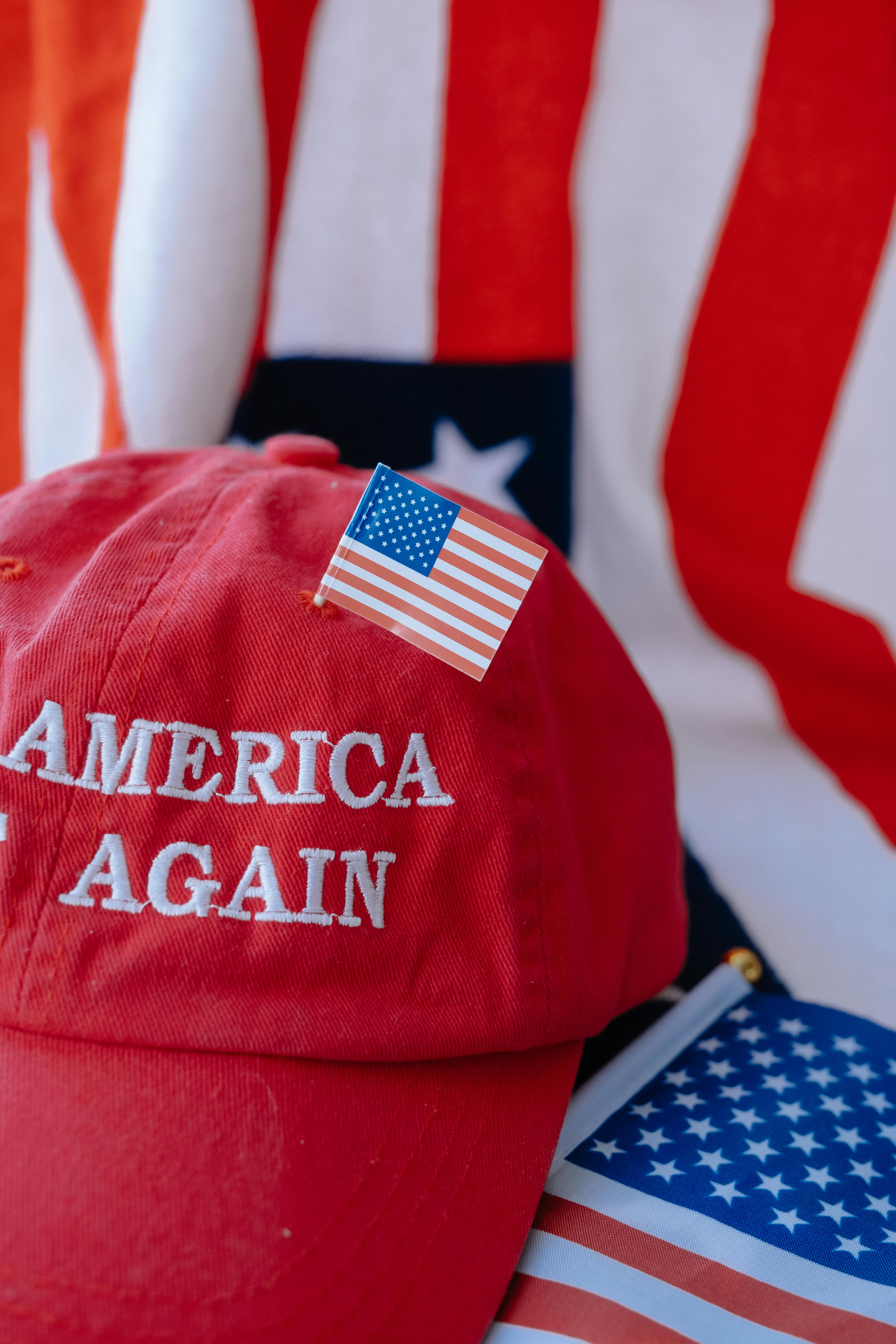
At the center of the conflict is Trump’s demand that Senate Republicans pass strict proof-of-citizenship voting legislation, known as the SAVE America Act. Trump has also pushed Senate Majority Leader John Thune to scrap the filibuster in order to get the measure through. Thune has responded with a reality that defines the Senate: the votes are simply not there.
That basic arithmetic has not stopped Trump from escalating the pressure. In a social media post, he warned that he would be “the last Republican president” if the bill does not pass, framing the issue as an existential test for the party. It is a familiar Trump tactic, turning a procedural impasse into a loyalty measure, but it places senators in a difficult position because they cannot invent votes that do not exist.
Thune has tried to balance deference with candor. He reportedly speaks with Trump frequently and has even set aside floor time to consider the measure, allowing Republicans to show support in principle. Yet Senate leaders also have to preserve institutional rules and protect vulnerable incumbents from being tied to impossible promises. That makes the voting bill less a legislative effort than a public struggle over who defines the GOP agenda heading into November.
Foreign policy and nominations are widening the rift

The disagreements are not confined to election law. Trump’s handling of foreign policy, especially his deal to end the Iran war, has also exposed fractures among Republicans who had previously been reluctant to challenge him directly. Sen. Bill Cassidy described the agreement as “the worst foreign policy blunder in decades,” a striking condemnation from within Trump’s own party.
At the same time, Trump’s personnel decisions have frustrated senators already trying to keep the confirmation pipeline moving. His support for a temporary intelligence arrangement and for figures viewed skeptically on Capitol Hill has added to the sense that the White House is creating avoidable conflict. Republican lawmakers generally want nominees who can move smoothly through the chamber, not selections that force them into politically awkward defenses.
The nomination fight matters because confirmations are one of the clearest ways a unified government shows functionality. When a president’s party controls the Senate, delays and public infighting suggest weakness rather than strength. For voters watching from outside Washington, the details of intelligence posts may be obscure, but the broader picture is easy to grasp: the governing party appears to be arguing with itself at a moment when discipline is usually essential.
Trump still dominates the party, but his Senate allies are fewer

Despite the visible friction, there is no full-scale revolt among Senate Republicans. Most remain cautious about confronting Trump too aggressively, knowing his influence with the party base is still enormous. That is why even sharp criticism tends to focus on specific decisions rather than on his overall standing as the party’s dominant figure.
Still, his pool of dependable Senate allies appears smaller than it was during the push for the tax and spending package. Some of the senators now speaking most critically had once been more aligned with him, but political changes have altered those relationships. Cassidy and John Cornyn both lost primaries after Trump endorsed their opponents, while Tillis had already announced he would not seek reelection after sustained Trump criticism.
That history helps explain why some senators now sound freer and more willing to push back. Cornyn’s social media post invoking the fable of the frog and the scorpion suggested a belief that Trump’s disruptive behavior is not incidental but inherent. Even so, senators such as Bernie Moreno continue to defend him forcefully, showing that the conference is not breaking from Trump as much as it is splintering into camps with different tolerances for the chaos.
The biggest political risk may be paralysis before November

The practical consequence of this conflict is not simply bad optics; it is legislative paralysis. Trump has asked Congress to focus on priorities that many senators see as either politically unhelpful or procedurally doomed, while also complicating mainstream Republican goals. According to the Associated Press, the result has been a Senate agenda repeatedly knocked off course at the very time Republicans need steadiness.
That paralysis creates special problems for incumbents facing reelection. Candidates running in difficult states want clear accomplishments, disciplined messaging, and a stable national party leader. Instead, some are being pulled into fights over the filibuster, intelligence appointments, and foreign policy judgments that divide their own conference. Even if no senator wants to trigger an outright break with Trump, many clearly want more predictability than he is offering.
For Thune, the challenge is especially acute. Allies describe him as a stable force in Washington, and that steadiness may be the party’s best asset in the Senate right now. But stability from leadership cannot fully compensate for volatility from the top of the ticket. As the midterms near, the growing tension between Trump and Republican senators is becoming more than an internal feud; it is a test of whether the GOP can govern and campaign effectively at the same time.