


General aviation crashes remain a persistent focus for federal investigators across the U.S. In Bowie, Maryland, that concern turned local early Sunday, June 21, when a private plane went down in a wooded area and all three people aboard were found dead.
Three people aboard were found dead after responders located the wreckage
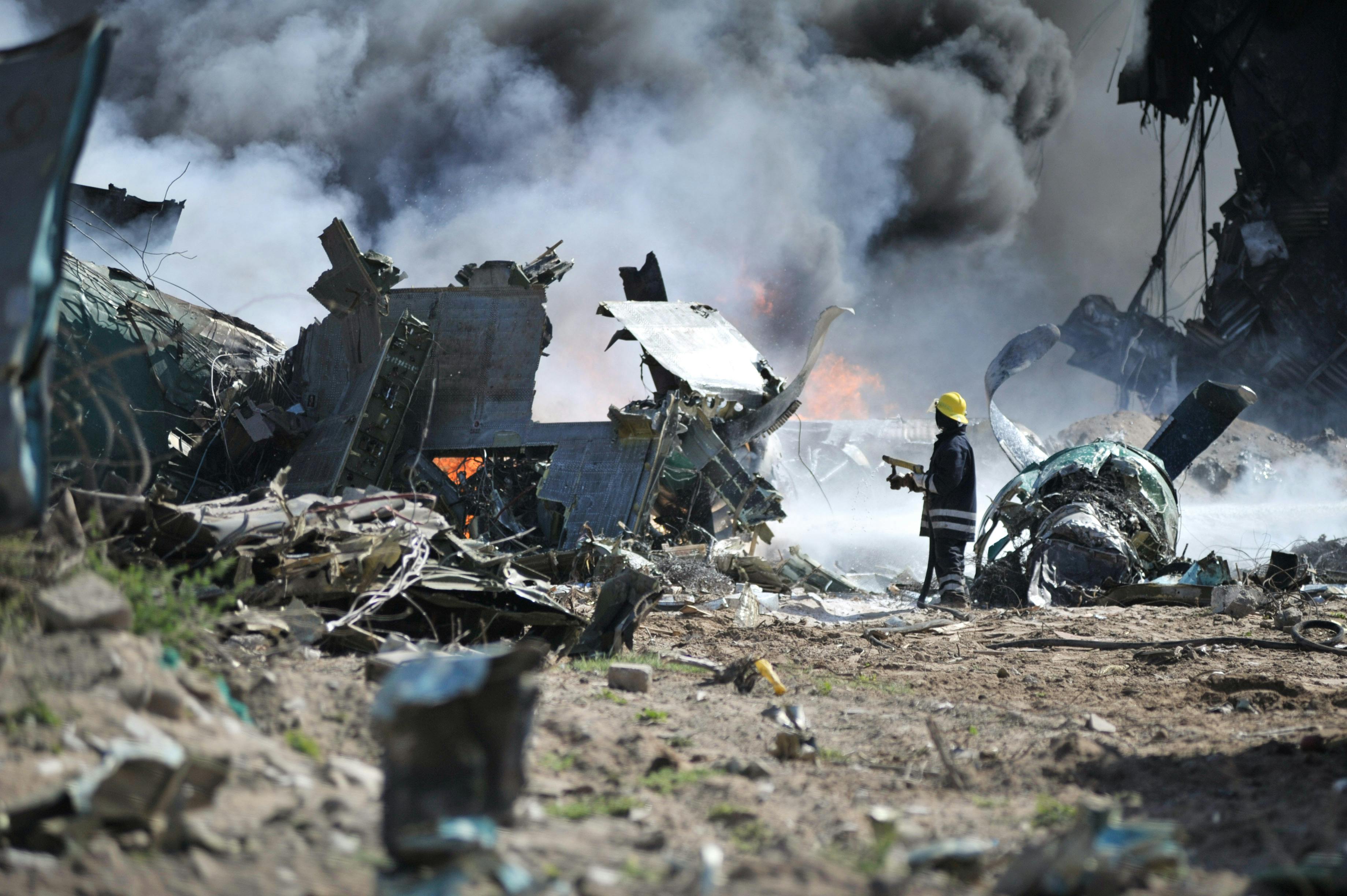
Maryland State Police and local authorities confirmed that three people died after a small private plane crashed in a wooded section of Bowie, in Prince George’s County, during the early hours of June 21. Fox 5 DC reported that police said the aircraft was found after an overnight response, while multiple local reports said emergency crews were first alerted shortly before midnight.
Authorities have described the aircraft as a small, single-engine plane. Early reporting said the wreckage was located in or near a wooded public park area in Bowie after search efforts continued into the morning. A published report cited Prince George’s County emergency communications receiving an automated iPhone crash alert before crews began searching the area.
The Federal Aviation Administration said it will investigate the crash, and the National Transportation Safety Board is expected to lead the broader accident investigation. As is typical in fatal aviation crashes, investigators will examine the aircraft, the flight path, maintenance records, weather conditions and pilot information before issuing preliminary findings.
Officials had not publicly released the victims’ names in the earliest confirmed reports. No survivors were reported, and authorities said all three occupants were pronounced dead at the scene after the wreckage was found.
Bowie and Prince George’s County now face questions about the overnight crash response
The crash centered attention on Bowie, a Prince George’s County city east of Washington, where the plane came down in a wooded area away from major roads and homes. That location appears to have complicated the initial search, with responders needing several hours to locate the aircraft after the first alert was received, according to published accounts.
What is confirmed is that the plane crashed in Bowie and that three people aboard died. What has not yet been publicly confirmed in official detail includes the full flight purpose, the identities of all occupants, the exact departure and intended destination airports, and the specific sequence of events in the minutes before impact.
The FAA’s public accident statements page notes that federal investigators routinely coordinate with the NTSB in general aviation crashes, but agency summaries often remain limited in the first 24 hours. That is also the case here: officials have not yet released a full probable-cause assessment, and no broader public safety threat on the ground had been announced in the immediate aftermath.
For Prince George’s County residents, the practical impact is limited mainly to the investigation area and any temporary closures around the crash site. Further official updates are likely to come from Maryland State Police, the FAA and the NTSB as identification of the victims is completed and investigators document the scene.
Investigators will look at weather, flight history, and aircraft condition before naming a cause

No official cause had been released as of Monday, June 22. In fatal small-plane crashes, the NTSB typically begins with on-scene documentation and then reviews radar data, communications records, pilot certification, aircraft registration, engine condition and any available electronic flight information before determining what went wrong.
That process can take months, and early conclusions are often limited. Federal investigators commonly issue a preliminary report first, followed later by a final report that identifies probable cause. The FAA’s role generally includes confirming the aircraft type and basic accident facts, while the NTSB leads the deeper causal analysis.
Broader context matters because general aviation aircraft operate under a wide range of conditions, including short personal trips, repositioning flights and training flights. At this stage, however, there is no verified public evidence that weather, mechanical failure, pilot impairment or air traffic control issues caused the Bowie crash.
For Maryland residents, the immediate expectation is a slow release of verified information rather than quick answers. The next factual milestones will likely be the formal identification of the victims, confirmation of the plane’s route and aircraft model, and an initial NTSB summary of the June 21 crash scene.