

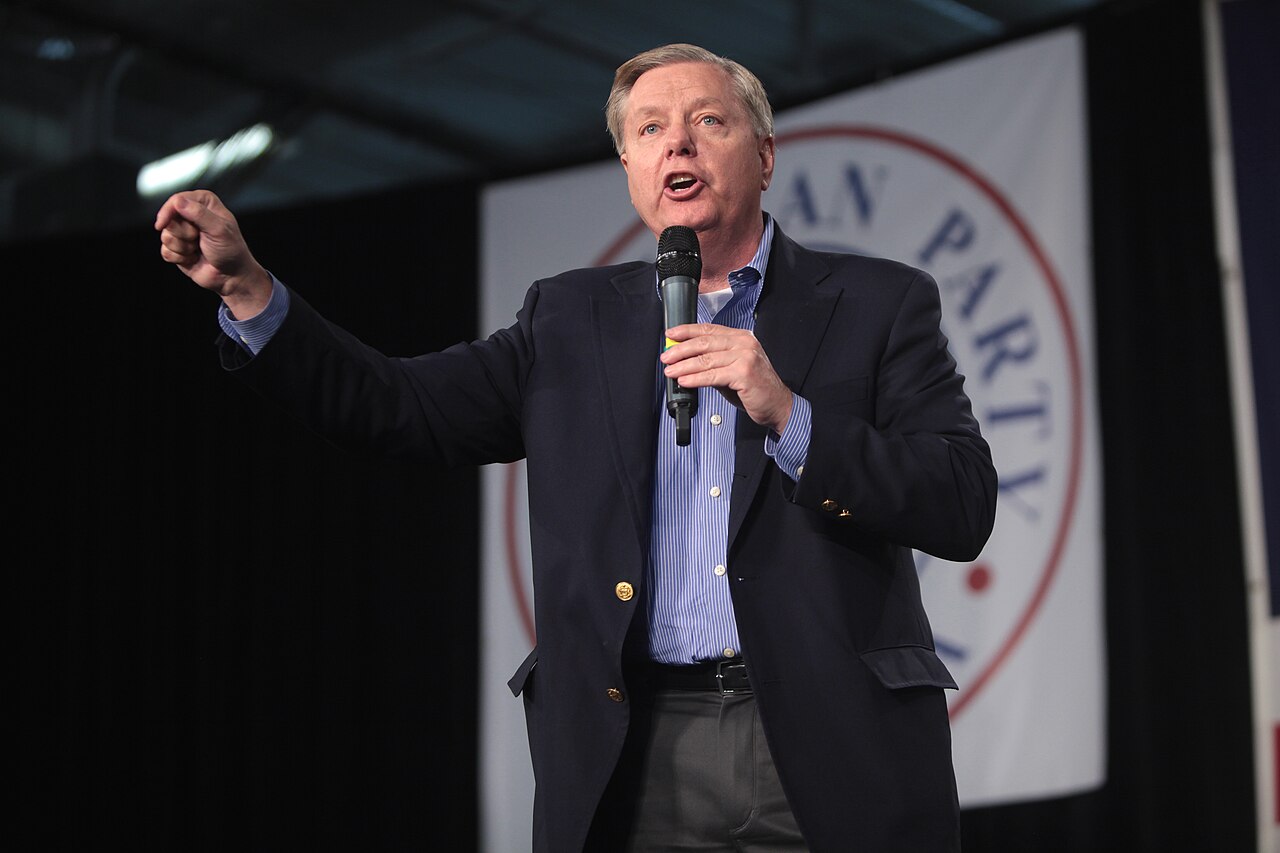
U.S. officials and lawmakers sharply raised the stakes on Iran policy after American strikes on Iranian nuclear facilities intensified tensions across the Gulf. On June 22, 2025, Senator Lindsey Graham of South Carolina warned that Iran would be “obliterated” if it closed the Strait of Hormuz, a critical shipping route for global energy supplies.
Graham’s warning followed U.S. strikes and Iran’s closure threats
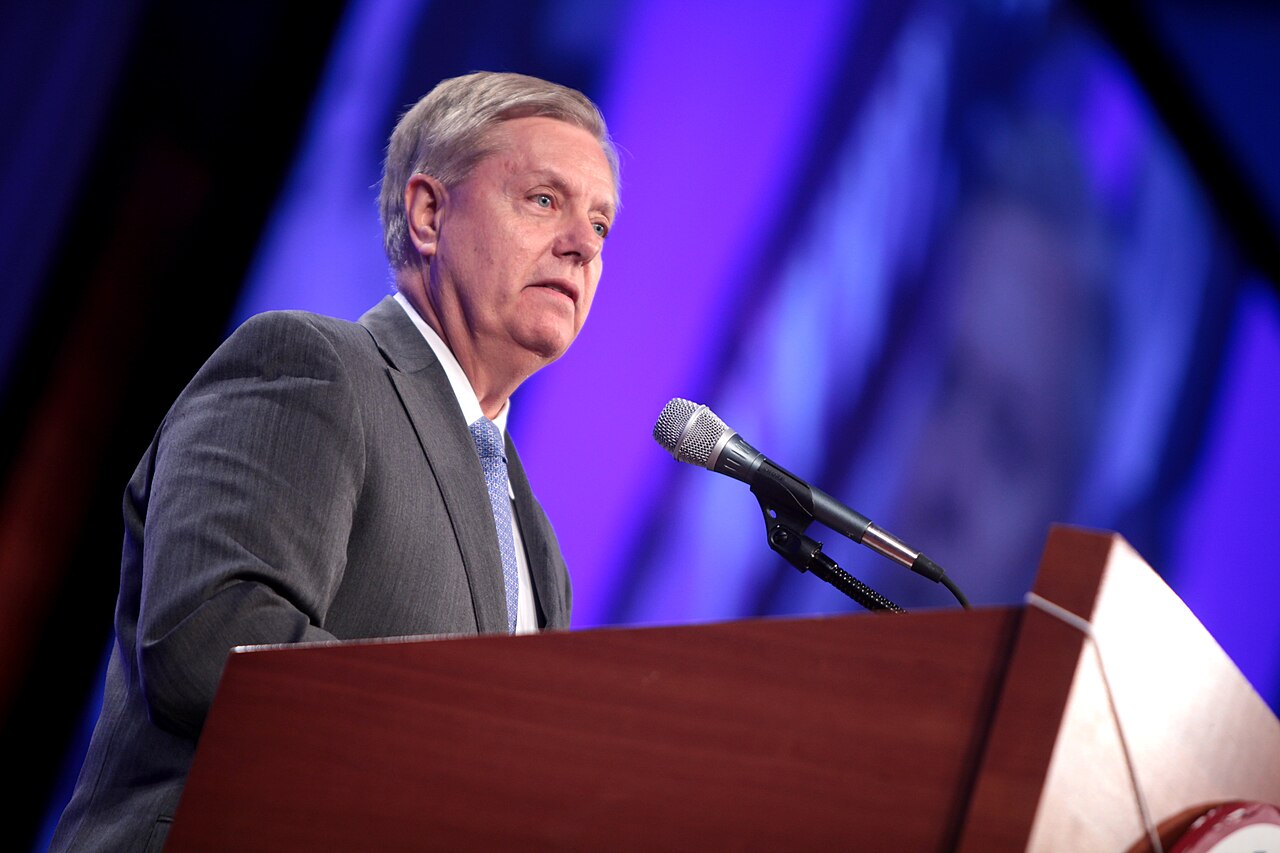
Graham, a Republican from South Carolina and one of the Senate’s most outspoken Iran hawks, issued the warning Sunday as Washington reacted to reports that Iran’s parliament had backed a measure calling for the Strait of Hormuz to be closed. Reuters reported that Secretary of State Marco Rubio said the move would be a major escalation and urged China to press Tehran against it.
The Strait of Hormuz is one of the world’s most important energy chokepoints. Reuters and other outlets reported that about 20% of global oil and gas flows move through the narrow waterway, making any disruption a matter of international concern for shipping markets, fuel prices and military planners.
The warning came the same day as the fallout from U.S. strikes on Iranian nuclear sites continued to unfold. Public reporting on June 22 tied the latest threats around Hormuz directly to those strikes, which prompted new statements from both Iranian state media and senior U.S. officials. Graham’s use of the term “obliterated” underscored how forcefully some Republicans wanted the administration to respond if Tehran tried to restrict maritime traffic.
Because Graham represents South Carolina and remains a senior Republican voice on national security, his remarks carried particular weight for audiences in his home state even though the immediate dispute is centered thousands of miles away in the Persian Gulf. South Carolina is home to major military communities and defense-related industries that closely track U.S. operations in the Middle East.
What is confirmed is that Graham publicly aligned himself with the hardest line in Washington on keeping the strait open. Reuters reported that Rubio said closing Hormuz would amount to “economic suicide” for Iran and would invite a response from the United States and others, while also pressing China to use its leverage because of its energy ties to Tehran.
What is not confirmed is whether Iran’s leadership would actually carry out a full closure. Public reports on June 22 indicated that Iran’s parliament had approved a measure, but final authority did not rest with parliament alone. That distinction mattered because markets, shipping companies and military officials were assessing not just the rhetoric, but whether a formal operational order would follow.
The broader context is energy security and regional deterrence. According to Reuters and analysis cited by international news outlets, the Strait of Hormuz handles a significant share of the world’s seaborne oil and gas traffic, which means even the threat of closure can move crude prices and disrupt shipping expectations far beyond the Middle East.
That helps explain why U.S. officials immediately broadened the issue beyond Iran and the United States. Rubio’s appeal to China reflected the fact that Beijing is a major buyer of Iranian oil and has an economic interest in keeping the route open, according to Reuters reporting published June 22. The administration’s message was that any closure would damage not only Western economies but also countries that buy Gulf energy.
For U.S. residents, including those in South Carolina, the practical significance is indirect but real: prolonged instability in Hormuz can affect gasoline prices, financial markets and military deployments. As of June 22, 2025, officials were warning of severe consequences if Iran moved from parliamentary approval to action, but a full closure had not yet been confirmed publicly. The next developments depended on decisions in Tehran and the U.S. response that would follow.