

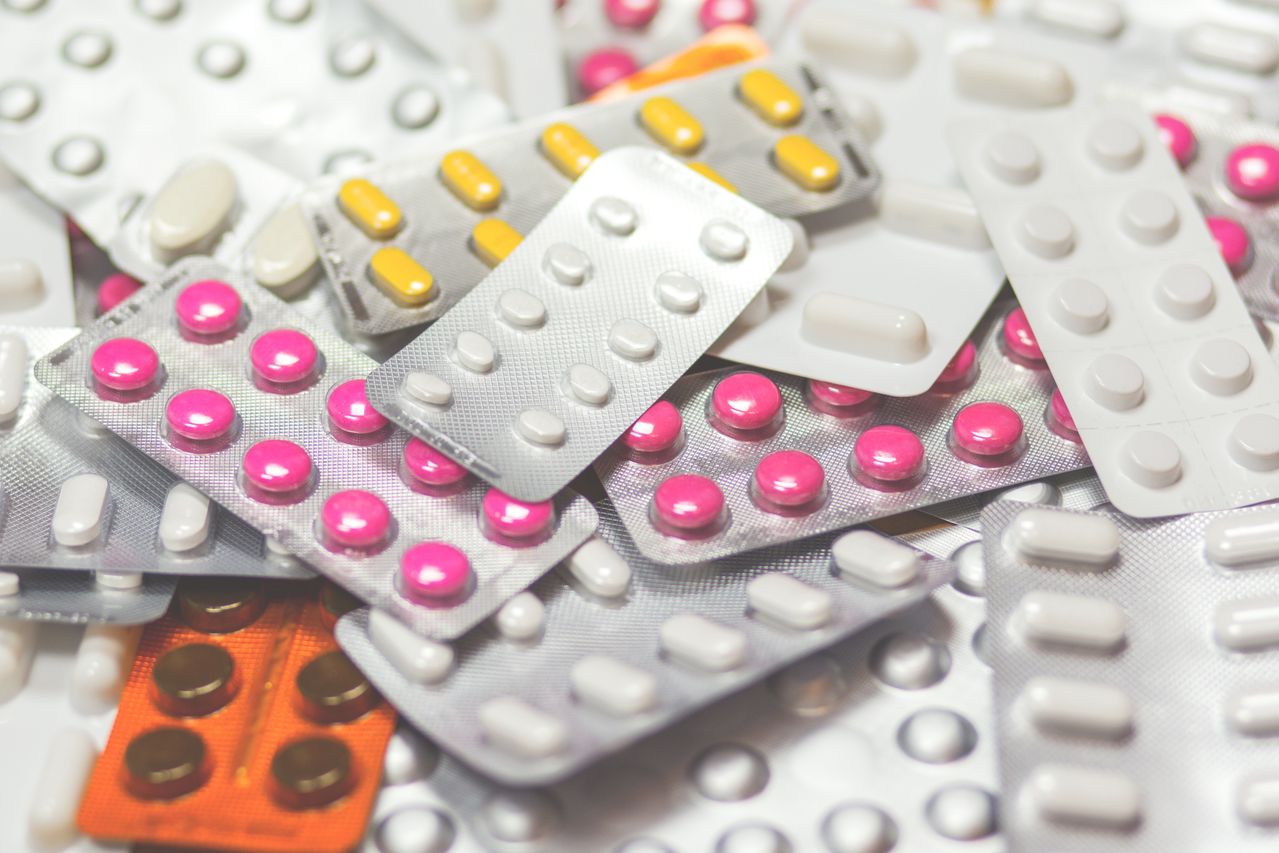
Millions of Americans use daily allergy medicine to manage seasonal symptoms, making recalls of widely distributed antihistamines especially significant. That is now the case for a generic version of Zyrtec sold nationwide after federal regulators posted a company recall notice tied to possible contamination. The action covers specific 100-count bottles of cetirizine hydrochloride tablets and was announced as an urgent consumer-level recall.
FDA posts nationwide recall for four lots of cetirizine
Unique Pharmaceutical Laboratories, a division of J. B. Chemicals & Pharmaceuticals Ltd., announced on July 18 that it was voluntarily recalling four lots of Cetirizine Hydrochloride Tablets USP 5 mg to the consumer level, according to a recall notice posted by the U.S. Food and Drug Administration on July 20. The company said the recall involves four lots distributed by Rising Pharma Holdings Inc. in 100-tablet HDPE bottles under NDC 16571-401-10. The affected lots are GY825029, GY825030, GY825031 and GY825032, and each carries an expiration date of October 2028.
The recall began after a product complaint from a pharmacy technician, who identified a discrepancy while counting tablets during dispensing, according to the FDA notice. The company said some tablets showed a red dot and others were discolored, raising concerns about possible cross-contamination with ranitidine, a drug used for heartburn treatment. FDA said no adverse events had been reported as of the recall announcement.
The health risk described in the notice is centered on people who are hypersensitive to ingredients in ranitidine. According to the FDA-posted company announcement, exposure could lead to severe hypersensitivity reactions and anaphylaxis, including hypotension, shortness of breath, difficulty swallowing, throat and facial swelling, hives, itching and loss of consciousness.
The recall is nationwide, and the company said the affected tablets were distributed to retailers across the United States through Rising Pharma Holdings. That means bottles may have reached pharmacies and other medication sellers in multiple states, but a state-by-state breakdown has not been released publicly in the FDA notice. The company also has not released a comprehensive public list of specific stores or local pharmacy locations that received the affected product.
What is confirmed is the packaging and scale of the affected medicine. The recalled product is limited to Cetirizine Hydrochloride Tablets USP 5 mg packaged in 100-tablet bottles with the listed lot numbers and October 2028 expiration dates, according to the FDA recall posting. The notice does not indicate that all cetirizine products, all Rising Pharma medications or all allergy tablets are affected.
Rising Pharma has notified its direct customers and is arranging returns of the recalled drugs, according to the company statement carried by FDA. For consumers, the practical effect is that some bottles could already have been removed from pharmacy inventory while others may still be in households if they were purchased before the recall was announced.
The immediate concern is not a shortage issue or a labeling error but potential cross-contamination with another medication. In the recall notice, Unique Pharmaceutical Laboratories said a dispensing complaint triggered the investigation, and the visible tablet differences suggested that ranitidine may have contaminated some cetirizine tablets. That matters because the recalled product is intended for allergy relief, while ranitidine is a separate drug with different ingredients and uses.
FDA’s posted notice says the most serious risk applies to consumers with hypersensitivity to ranitidine ingredients, who could face life-threatening reactions if they ingest a contaminated tablet. The agency’s broader ranitidine safety history adds context: FDA removed ranitidine products from the U.S. market in 2020 over NDMA impurity concerns, and later approved a reformulated ranitidine product in November 2025 after a safety review. This recall, however, is not framed around NDMA levels in cetirizine but around possible cross-contamination during manufacturing.
For people who rely on daily allergy medication, the recall means regulators and the manufacturer are trying to remove only the identified lots while leaving unaffected products in circulation. As of the FDA posting, no injuries had been reported, and the public notice remained focused on isolating the four recalled lots and returning them through the existing distribution chain.