

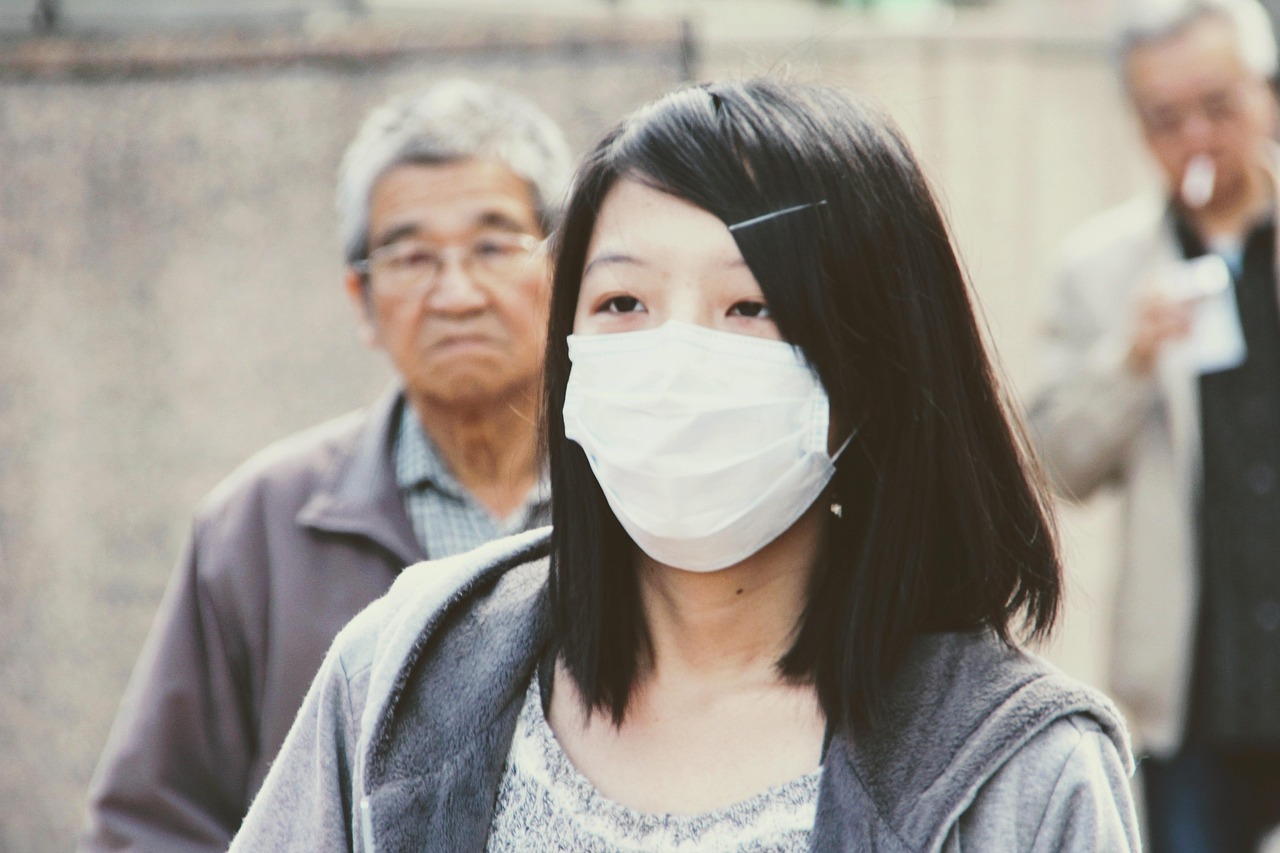
Australia’s first confirmed human H5N1 case marks a significant public health moment. It is not a sign of widespread transmission, but it is a reminder that avian influenza remains a closely watched global threat.
What Australia’s First H5N1 Case Means
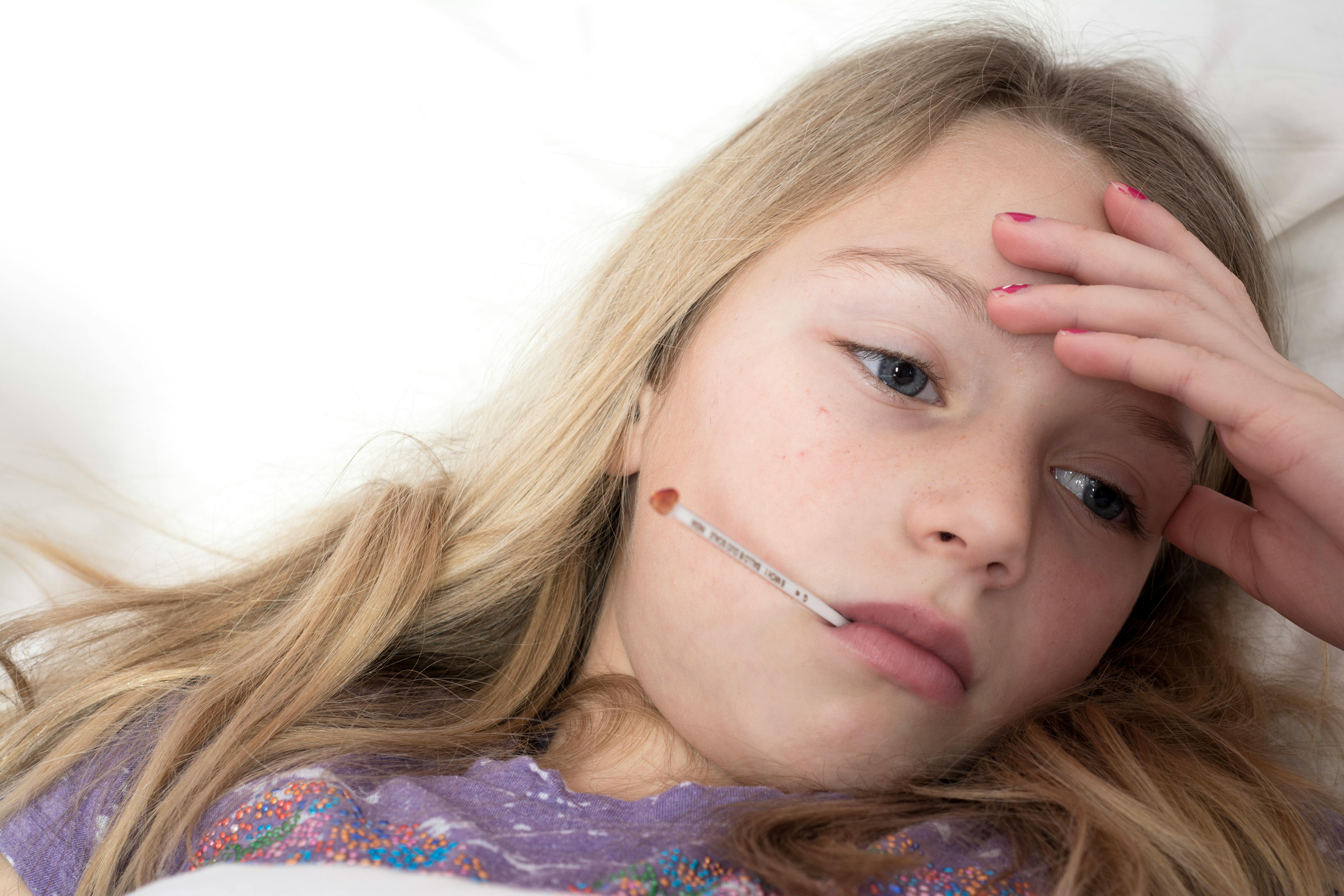
Australian health authorities confirmed the country’s first human case of H5N1 avian influenza in a child who had recently returned from overseas, according to official statements released as the case was investigated. The infection was detected in Victoria, and the patient received medical care before recovering. Officials emphasized early that there was no evidence of onward transmission within Australia.
That distinction matters. H5N1 is primarily a disease of birds, and while sporadic human infections have occurred in several countries over the years, they have usually been linked to direct exposure to infected poultry or contaminated environments. Human-to-human spread has remained rare and inefficient, which is why public health agencies continue to describe the broader community risk as low.
Even so, a first confirmed case carries weight because it tests a country’s surveillance and response systems in real time. Laboratories must rapidly identify the virus, clinicians must isolate and manage the patient appropriately, and contact tracers must determine whether anyone else may have been exposed. In this case, Australia’s response showed how quickly modern public health systems can move when dealing with a high-consequence pathogen.
The news also arrives amid a period of heightened global concern over avian influenza. H5N1 has caused major outbreaks in wild birds and poultry across multiple continents, disrupting food supply chains, driving culling campaigns, and raising fears about viral adaptation. Australia’s case therefore, fits into a much bigger international picture rather than representing an isolated anomaly.
Why H5N1 Draws Global Concern

H5N1 has long been one of the most closely monitored influenza viruses because of its high mortality rate in confirmed human cases historically reported to the World Health Organization. While the total number of human infections has remained limited compared with seasonal flu, the severity of many cases has kept scientists and governments on alert. A virus does not need to be widespread to be dangerous; it only needs the potential to change.
Influenza viruses mutate constantly, and they can also exchange genetic material when different strains infect the same host. That is one reason outbreaks in birds are watched so closely. The more opportunities a virus has to circulate in animal populations, the more chances it has to adapt in ways that could alter transmissibility, host range, or severity.
Recent years have shown how expansive H5N1’s reach can become. Large poultry outbreaks have been recorded in Europe, Asia, Africa, and the Americas, while wild birds have helped spread the virus across migratory routes. In some countries, the virus has also been detected in mammals, including foxes, sea lions, and dairy cattle, adding another layer of complexity to the risk assessment.
For the general public, the key point is that concern does not equal panic. Health agencies monitor H5N1 intensely precisely because preparedness works best before a virus changes, not after. Australia’s first case reinforces the value of sustained vigilance, especially in a world where animal disease events can quickly become human health questions.
How Australian Authorities Are Responding

Australia’s immediate response focused on standard but critical containment measures: confirming the diagnosis, treating the patient, tracing contacts, and communicating clearly with the public. State and federal health officials moved to reassure Australians that no evidence suggested community spread. That message is central in any outbreak response because uncertainty can spread faster than infection.
Public health teams also coordinated with biosecurity and animal health authorities, an essential step with avian influenza. Human cases cannot be understood in isolation when the source virus is typically found in birds. Monitoring poultry farms, wild bird populations, and import pathways helps authorities build a fuller picture of whether there is any domestic animal threat alongside the human case.
Australia has strong border biosecurity systems and a history of aggressive disease monitoring in agriculture, which gives it useful tools in responding to H5N1-related risks. Veterinary surveillance, reporting mechanisms for unusual bird deaths, and laboratory testing capacity all become part of the same national defense network. This integrated approach is especially important for a virus that sits at the intersection of animal and human health.
Officials have also stressed practical advice rather than alarmist messaging. People are being reminded not to handle sick or dead birds without protection and to report unusual findings to relevant authorities. For travelers, clinicians, and laboratory networks, the case is also a prompt to remain alert to symptoms and exposure histories that might otherwise be overlooked.
What the Public Should and Should Not Worry About

For most Australians, this case does not change daily life. H5N1 is not spreading casually among people in schools, workplaces, or public transport, and there is no indication of a broader outbreak tied to this infection. Health authorities have been consistent that the risk to the general population remains low, and that assessment is based on how the virus behaves, not on wishful thinking.
The people who face higher risk are typically those with direct exposure to infected birds or contaminated settings. That includes poultry workers, bird handlers, veterinarians, wildlife responders, and potentially travelers who come into close contact with live bird markets or backyard flocks in affected regions. In these groups, protective equipment, hygiene, and rapid reporting of symptoms are especially important.
The public should also avoid common misconceptions. Properly cooked poultry and eggs remain safe to eat, and there is no evidence that ordinary food consumption is driving human H5N1 infection. Seasonal influenza vaccines do not specifically prevent H5N1 infection, but they still play an important role in reducing overall flu burden and may help lower the chance of co-infections that complicate surveillance.
What people should worry about, in a measured way, is complacency. Emerging infections often seem remote until they are not. The lesson from this case is not that Australia faces an immediate crisis, but that continued investment in surveillance, laboratory capacity, hospital preparedness, and animal health intelligence is essential.
The Broader Implications for Health and Biosecurity
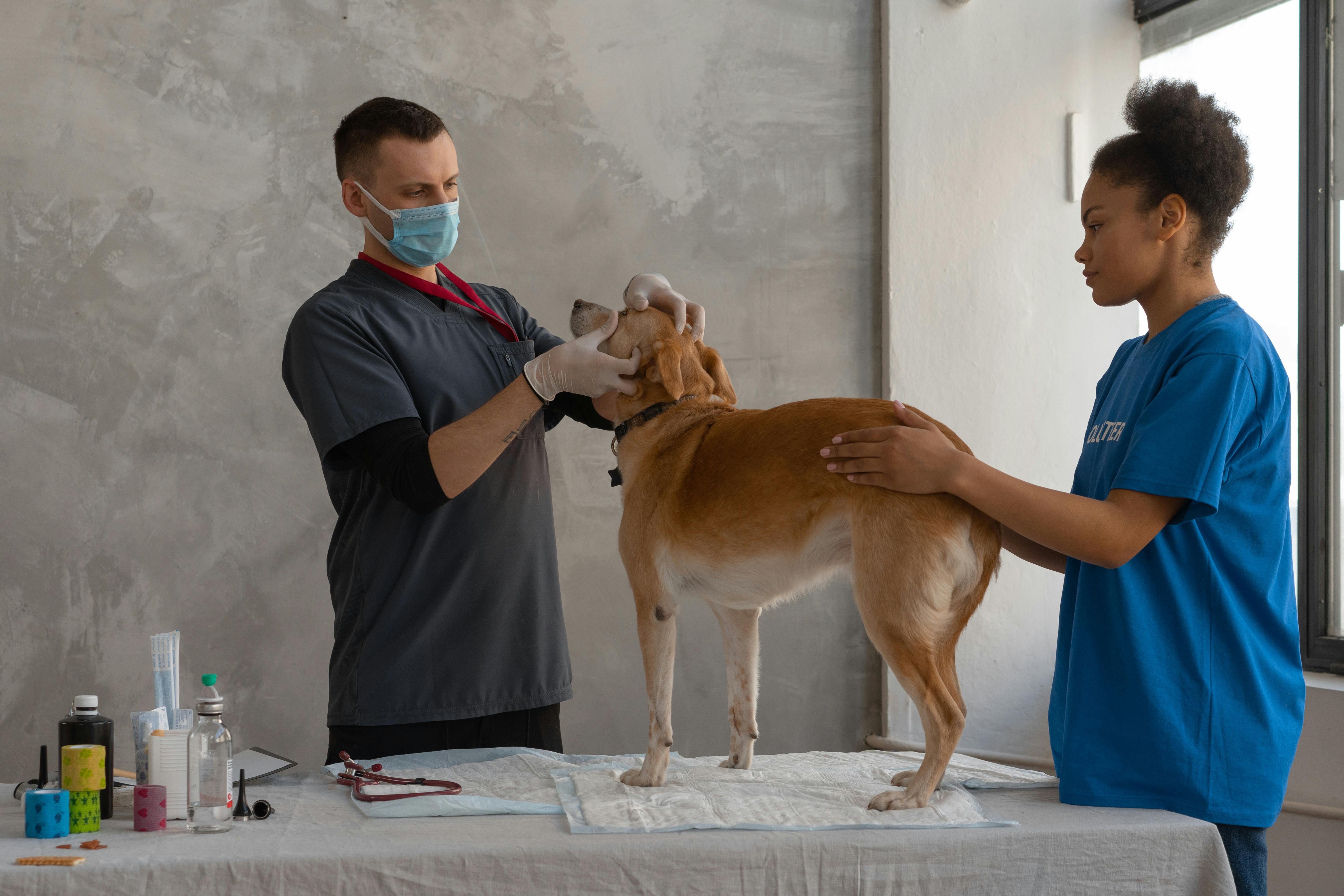
Australia’s first confirmed H5N1 case is likely to sharpen attention on the country’s preparedness planning, especially at the boundary between public health and agriculture. Avian influenza is not just a medical issue; it can affect trade, farming livelihoods, food prices, wildlife conservation, and emergency management. A single case therefore has policy significance well beyond the infected patient.
One likely result is even tighter scrutiny of disease surveillance across birds, mammals, and humans. This so-called One Health approach has become increasingly important because pathogens do not respect institutional boundaries. When doctors, veterinarians, epidemiologists, and environmental scientists share information quickly, countries are better positioned to identify unusual patterns before they become larger events.
The case also highlights how global mobility shapes local risk. A virus detected in one region can appear in another through travel, migratory wildlife, or trade-related pathways, even where domestic transmission has not been established. That reality makes international reporting, data sharing, and coordinated scientific analysis indispensable parts of national protection.
In practical terms, Australia’s confirmation should be seen as a stress test that has so far produced reassuring signs. The case was identified, managed, and publicly explained without evidence of spread. But the deeper message is enduring: avian influenza remains a moving target, and countries that respond best are the ones that treat every first case as both a contained event and a warning to stay ready.