

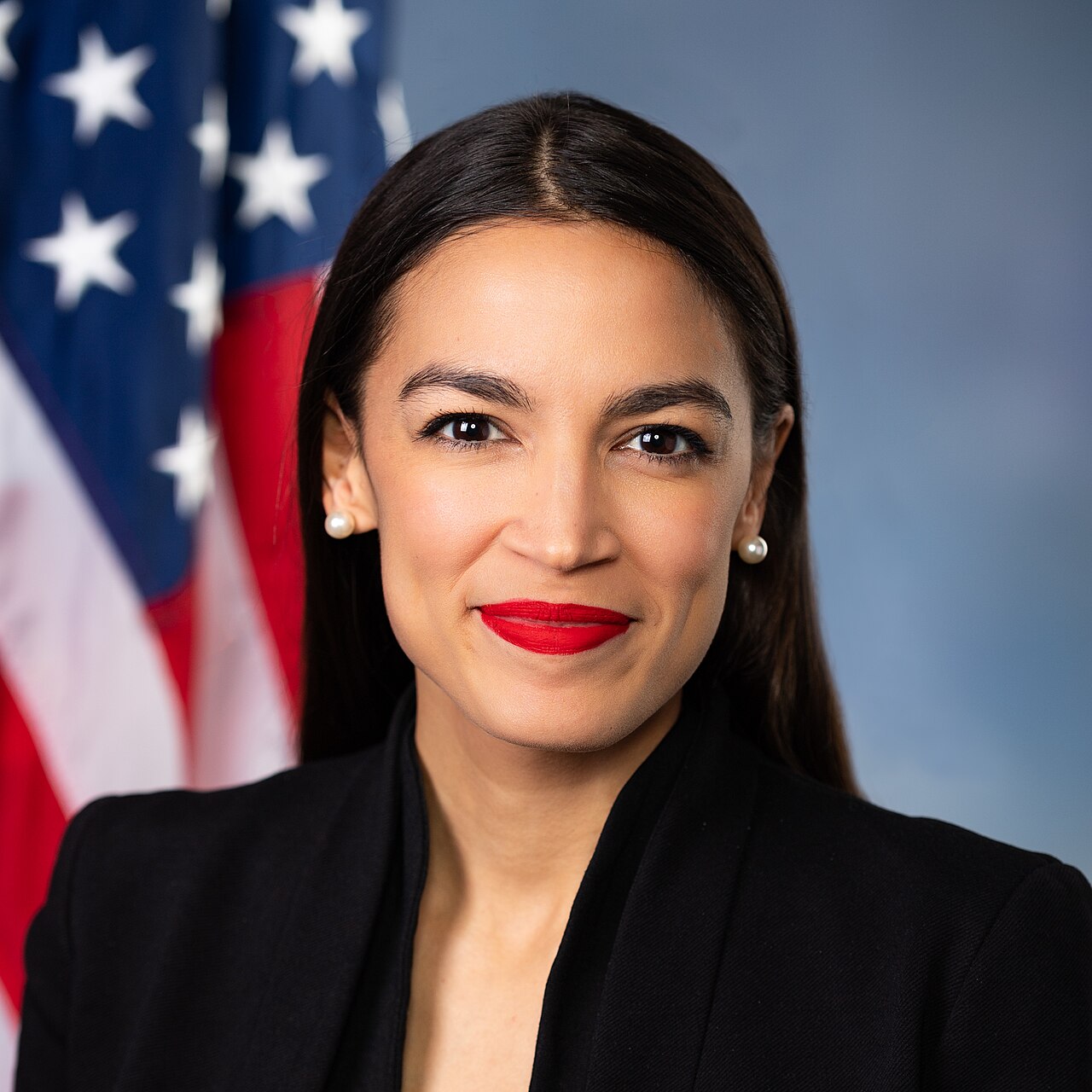
National debate over generational power, household wealth and political influence has intensified as younger voters make up a larger share of the electorate. That discussion sharpened on June 28, 2026, when Rep. Alexandria Ocasio-Cortez used a national television appearance to argue that millennials are becoming a decisive force at the polls because of frustration over economic opportunity and long-term costs. Her comments landed alongside fresh research showing that older generations still control most of the wealth expected to move through U.S. households in coming decades.
Ocasio-Cortez ties a voting shift to generational wealth and economic frustration
Ocasio-Cortez made the remarks during an interview on ABC News’ “This Week” on June 28, 2026, saying a “generational tidal wave” is forming as millennials age into a more powerful voting bloc. In the interview, she said millennials are “grown adults with mortgages and kids” and described anger at being “ignored” and “sidelined” on issues including the economy and climate, according to the ABC transcript and reporting carried by Fortune through NewsBreak. The comments connected electoral change directly to generational economic strain.
The scale of the wealth gap discussed around those remarks is significant. Cerulli Associates said in a December 2024 release that $124 trillion is expected to transfer through 2048, with nearly $100 trillion coming from baby boomers and older generations. That figure has become a central reference point in reporting on how much capital older Americans still control, even as younger households shoulder high housing and living costs.
Voter data also show why the political argument is getting renewed attention. Catalist’s 2024 voter study found that baby boomers made up 32% of voters in 2024, down from a presidential-year peak of 36% in 2016, while millennials accounted for 25% of the electorate, up from 23% in 2020. The same report said Gen Z and millennial voters together made up 34% of voters in 2024, showing a larger combined presence even as boomers remained the biggest single generational bloc.
The political geography behind Ocasio-Cortez’s comments is closely tied to New York, where she rose to national prominence after defeating then-Rep. Joe Crowley in a 2018 Democratic primary. ABC reported at the time that she framed that campaign around “generational change,” a message that has remained central to her public argument about leadership and economic priorities. Her June 2026 interview showed how that theme has expanded from one congressional district into a broader national case about age, wealth and representation.
What is confirmed nationally is that younger adults face major barriers in the housing market, one of the clearest pressure points in the generational debate. Visa Business and Economic Insights said on July 8, 2026, that one in four millennial homeowners received parental down-payment assistance, and 26% said they would not have been able to buy their current home without it. That finding does not provide a New York-only breakdown, and the report did not release a state-by-state list of where that support was most concentrated.
Even without a New York-specific wealth-transfer total tied to AOC’s district, the overlap between politics and affordability is clear. Ocasio-Cortez’s argument is aimed at voters dealing with rent, mortgage costs and family formation later in life than earlier generations. The available national data confirm those pressures, but they do not yet quantify how much of the projected intergenerational transfer has reached younger households in New York specifically.
The central reason this issue is resonating is that the headline wealth figure does not mean younger Americans suddenly have access to that money. Cerulli’s projection describes transfers through 2048, not wealth already in millennial hands, and CFA Institute has noted that analysts often overstate how quickly the “Great Wealth Transfer” will reshape household finances. Much of that money will move gradually, and some will first pass between spouses before reaching younger generations.
Visa’s 2026 research points to the same conclusion from a different angle. Its economists estimated that about $36 trillion will transfer from baby boomers to Gen X and millennial households over the next 20 years after accounting for debt, retirement spending and taxes. That is still a very large sum, but it is far below the broader $124 trillion headline often used in political and financial discussion.
For readers, the practical takeaway is that generational political conflict is being driven by current affordability pressures as much as by future inheritances. The data show boomers still hold an outsized share of wealth, while younger households are gaining electoral weight and, in many cases, relying on family help to clear major financial hurdles. For now, the wealth transfer is real, but the research indicates it is unfolding gradually rather than arriving as an immediate economic reset.