

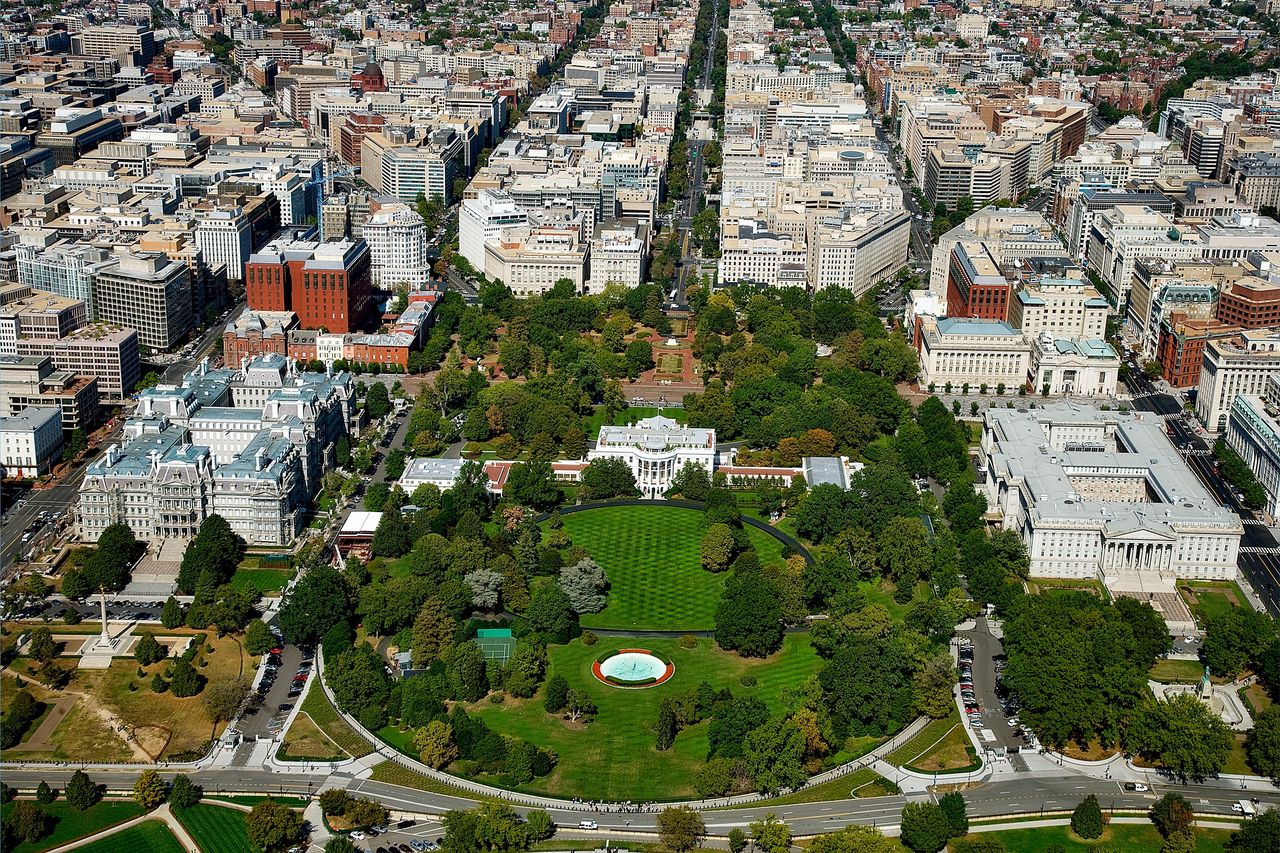
Presidential travel and White House grounds changes routinely draw national attention because they involve security, federal operations, and historic property. That focus sharpened on July 6, when President Donald Trump said Sikorsky would fund a new helipad at the White House. The project centers on the South Lawn in Washington, D.C., where newer Marine One helicopters have been linked to turf damage during landings and takeoffs.
Sikorsky said it will fund the helipad project
President Donald Trump said on July 6 that Sikorsky Aircraft, a Lockheed Martin subsidiary, would pay about $5 million to $6 million for a new granite helicopter landing pad on the White House South Lawn, according to Reuters and ABC News. Trump said the work is meant to support the next-generation Marine One fleet now entering service, and he described the pad as a practical solution for repeated wear on the grounds. Reporting from The Washington Post also said Lockheed Martin’s Sikorsky division was contributing roughly $5 million toward the project.
The funding matters because Sikorsky builds the presidential helicopters at the center of the problem. Reuters reported that Trump said he learned Sikorsky would pay for the construction and then asked that the new pad include a carved White House seal. Public reporting has described the helipad as privately funded rather than paid directly through an appropriations process.
The “guilt” framing in discussion around the project appears tied to the underlying equipment issue, not to any formal statement from Lockheed Martin expressing remorse. Available reporting says the newer helicopters have scorched or damaged the South Lawn, and that the helipad is intended to address that operational problem. No public company statement found in the reporting reviewed says Sikorsky used the word “guilt” to describe the payment.
The direct local impact is in Washington, D.C., specifically on the White House South Lawn, where construction activity has already been visible in recent days. Reuters and Military Times reported that the landing pad is being built to accommodate newer Marine One aircraft that have continued to create problems for grass operations at the White House. The work affects a tightly controlled federal site rather than a broader regional network of locations.
What is confirmed is the scope of the project at the White House itself: a granite helipad, privately funded by Sikorsky, with a stated cost in the $5 million to $6 million range. What is not publicly clear from the reporting so far is the final construction timeline, any permanent design changes beyond the landing pad itself, or whether related site work will alter access patterns on the South Grounds beyond the construction period. Public reports have not identified a broader list of off-site facilities affected in the District.
Because the project is tied to presidential helicopter operations, the practical effects for most Washington residents are limited and indirect. The change is primarily about how Marine One will use the White House grounds going forward. For visitors and observers, the most visible difference is likely to be an altered landing area on one of the most recognizable lawns in the country.
The broader context is the presidential helicopter replacement effort. ABC News reported that Lockheed Martin delivered a new fleet of Sikorsky helicopters to the Air Force in 2024, but older aircraft have still been used for some South Lawn arrivals and departures because the newer aircraft can burn or damage the grass. That helps explain why the administration moved toward a hard-surface landing area rather than continued lawn repairs.
The Washington Post reported that the idea of a White House helipad had been considered across multiple administrations because of the operational impact of newer aircraft on the grounds. That context makes the current project less a sudden design change than an acceleration of a problem that had not been fully resolved. Reuters likewise framed the project as intended for the next-generation Marine One helicopters.
For residents and the broader public, the clearest takeaway is that the South Lawn is being adapted to fit the aircraft now assigned to presidential service. The cost, as publicly described, is being borne by the helicopter manufacturer’s subsidiary rather than directly announced as a taxpayer-funded line item. As of mid-July, public reporting indicates the project is moving ahead as part of the White House’s effort to integrate the newer Marine One fleet into regular operations.