

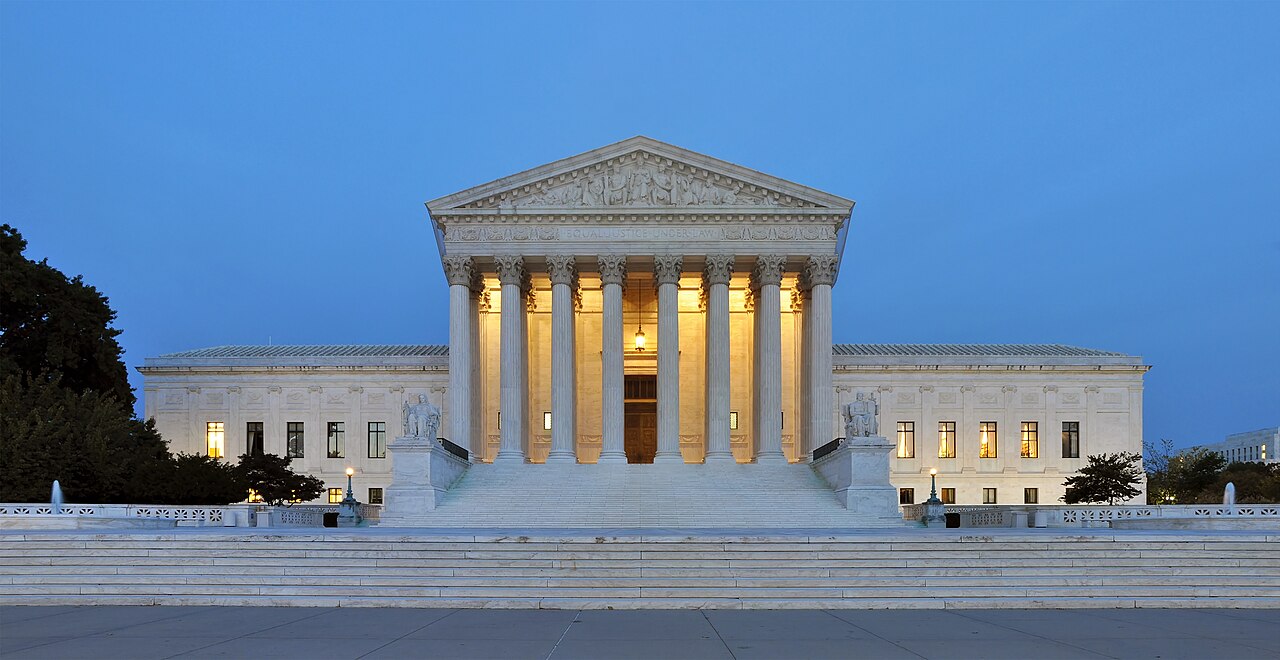
The U.S. Supreme Court’s latest term-ending decisions included a major pesticides case with national implications for product-liability law and federal regulation. On June 25, the fallout quickly spread beyond the courtroom as Make America Healthy Again leaders and allied activists said the ruling on Roundup amounted to a betrayal of the movement’s anti-chemical agenda.
Supreme Court gives Monsanto and Bayer a major win in Roundup case
In a 7-2 ruling on June 25, the Supreme Court sided with Monsanto, now owned by Bayer, in Monsanto v. Durnell, holding that federal pesticide law preempts a Missouri man’s state-law failure-to-warn claim over Roundup, according to the court’s opinion and coverage from the Associated Press and Reuters. The case centered on whether Monsanto could be sued under state law for not adding a cancer warning to Roundup’s label even though the Environmental Protection Agency had approved the label without one.
Justice Brett Kavanaugh wrote for the majority that the Federal Insecticide, Fungicide, and Rodenticide Act bars state labeling requirements that differ from federal ones, according to the ruling described by AP and legal analyses published after the decision. The dissent, written by Justice Ketanji Brown Jackson and joined by Justice Neil Gorsuch, argued that the majority read the statute too broadly.
The decision is expected to block thousands of pending lawsuits tied to Roundup warning-label claims, according to AP, Reuters and other national outlets. Bayer has spent years trying to contain glyphosate litigation after acquiring Monsanto in 2018, and the company said earlier this year that it had proposed a $7.25 billion class settlement designed to address current and future Roundup claims.
The immediate political impact has been most visible within the Make America Healthy Again orbit, where activists had rallied around the case before the ruling. Reuters reported in April that MAHA activists gathered at the Supreme Court as Bayer argued that an adverse decision could open the door to crippling liability, while protesters cast the case as a test of whether courts would allow more aggressive warnings about glyphosate-based products.
After Thursday’s ruling, several conservative and health-focused voices aligned with MAHA described the decision as a direct setback for the movement’s push to limit chemical exposure in food and agriculture. Axios reported that the case had become a major friction point because MAHA activists have called for tougher scrutiny of glyphosate, the active ingredient in Roundup, and opposed shielding companies from lawsuits over alleged cancer risks.
What remains unclear is whether MAHA-aligned lawmakers or organizers will coordinate around a federal legislative response. No comprehensive national plan had been publicly released by late June 25, and there was no confirmed count of how many organizations or leaders formally endorsed a unified next step. The ruling affects litigation nationwide, but the movement’s political response is still taking shape in public statements, media interviews and advocacy messaging.
The legal dispute grew out of conflicting views about who gets the final word on pesticide warnings: federal regulators or state juries. Monsanto argued that because EPA has repeatedly approved Roundup labels without a cancer warning and has concluded glyphosate is unlikely to pose a cancer risk when used as directed, state-law claims demanding a different label should be barred. The Supreme Court agreed with that framework in the Durnell case.
Opponents of the product, including environmental lawyers and health advocates, have long pointed to separate scientific and regulatory findings to argue for stronger warnings and broader accountability. The International Agency for Research on Cancer classified glyphosate in 2015 as probably carcinogenic to humans, while Bayer has continued to dispute that Roundup causes cancer and has said the product remains an important tool for farmers.
For consumers and residents, the ruling does not remove Roundup from store shelves and does not change EPA’s current approved labeling on its own. What it does do is sharply narrow one of the main legal routes plaintiffs had used in state courts to argue that Monsanto should have warned users more explicitly about cancer risk, leaving future changes more likely to come through EPA action, Congress or additional settlement efforts rather than the same type of state warning-label suits.