


A new banking product is trying to turn everyday account signups into a poverty-fighting tool. Its target is precise: single mothers in government-subsidized housing who often live one financial setback away from crisis.
How the Bank King Card Program Works

Redemption Bank, one of the few Black-owned banks in the United States, is launching the Bank King Card as a debit card tied to a broader social-impact mission. According to the Associated Press, the bank will make a fixed donation for every new account opened, with the money directed to nonprofits that provide direct cash assistance to families in need. The donation amount will be set annually by the bank’s board rather than tied to card spending.
That structure matters because it separates the charitable component from consumer purchasing behavior. Unlike affinity cards that donate a percentage of transactions, this model creates support at the point of account creation. In effect, the bank is treating customer acquisition as a trigger for community investment, a notable departure from more conventional bank rewards programs.
The nonprofit side of the system is also central to the design. Grants are expected to be distributed through a foundation created to help ensure funds reach eligible mothers efficiently. The emphasis is not on vouchers or restricted benefits, but on direct cash, giving recipients discretion over how best to stabilize their households.
Redemption Holding Co. Chair and Chief Executive Ashley Bell has described the initiative as a regenerative banking model. The idea is that financial institutions can do more than hold deposits and issue loans; they can also redirect capital toward households facing the steepest barriers to long-term economic security.
Why Single Mothers Are the Focus

The program’s focus reflects a harsh economic reality. Households led by single mothers face some of the highest rates of financial strain in the country, balancing childcare, housing costs, transportation, food, and employment demands with little margin for error. A 2026 report by the Urban Institute and the Jeremiah Program found widespread economic and caregiving hardship among these families, underscoring how persistent and structural the challenge remains.
Single mothers in subsidized housing are especially vulnerable because their budgets are already stretched to the limit. Even with rental assistance, recurring costs such as school supplies, utility bills, diapers, and missed work hours can quickly push a household into debt. A broken car, a sick child, or reduced work shifts can trigger a cascade of instability.
Chastity Lord, president and CEO of the Jeremiah Program, has argued that direct cash support works because families overwhelmingly spend it on necessities. Just as important, she says, cash restores dignity and decision-making power. That means mothers can solve the most urgent problem in front of them, rather than trying to fit their needs into a narrow assistance category.
This framing has become increasingly influential in anti-poverty policy. Rather than assuming low-income parents need monitoring, many guaranteed-income advocates argue they need flexibility. The Bank King Card program aligns with that philosophy by backing cash assistance that trusts recipients to make informed choices for their children and themselves.
Evidence From Cash Aid Programs Around the Country

The case for direct cash assistance is not theoretical. Programs around the country have shown that relatively modest monthly support can produce outsized benefits in housing stability, nutrition, child well-being, and mental health. These initiatives have helped shift the public conversation from whether poor families can be trusted with cash to how quickly aid can be delivered.
In Ohio, the Ohio Mother’s Trust pilot provided $500 per month for a year to 32 single mothers in the Columbus area. One participant, Juanita Amakor, told the Associated Press that the money helped her catch up on rent and bills while lowering her anxiety. Her description captures a recurring theme in cash-aid research: predictable support does not merely cover expenses, it creates breathing room.
Michigan’s Rx Kids offers another powerful example. The program provides women with a one-time $1,500 payment during pregnancy and then $500 per month during the baby’s early months. Families can use the funds for prenatal care, rent, food, diapers, cribs, formula, or childcare, reflecting the reality that infant needs are both urgent and varied.
For Kinea Wright of Flint, Rx Kids became critical after her husband was injured in a forklift accident. What had initially seemed like backup money for a future emergency quickly became a financial lifeline. Cases like hers illustrate why unrestricted aid often proves more responsive than traditional assistance systems built around rigid eligibility rules and delayed reimbursements.
The Broader Meaning of a Black-Owned Bank Leading This Effort
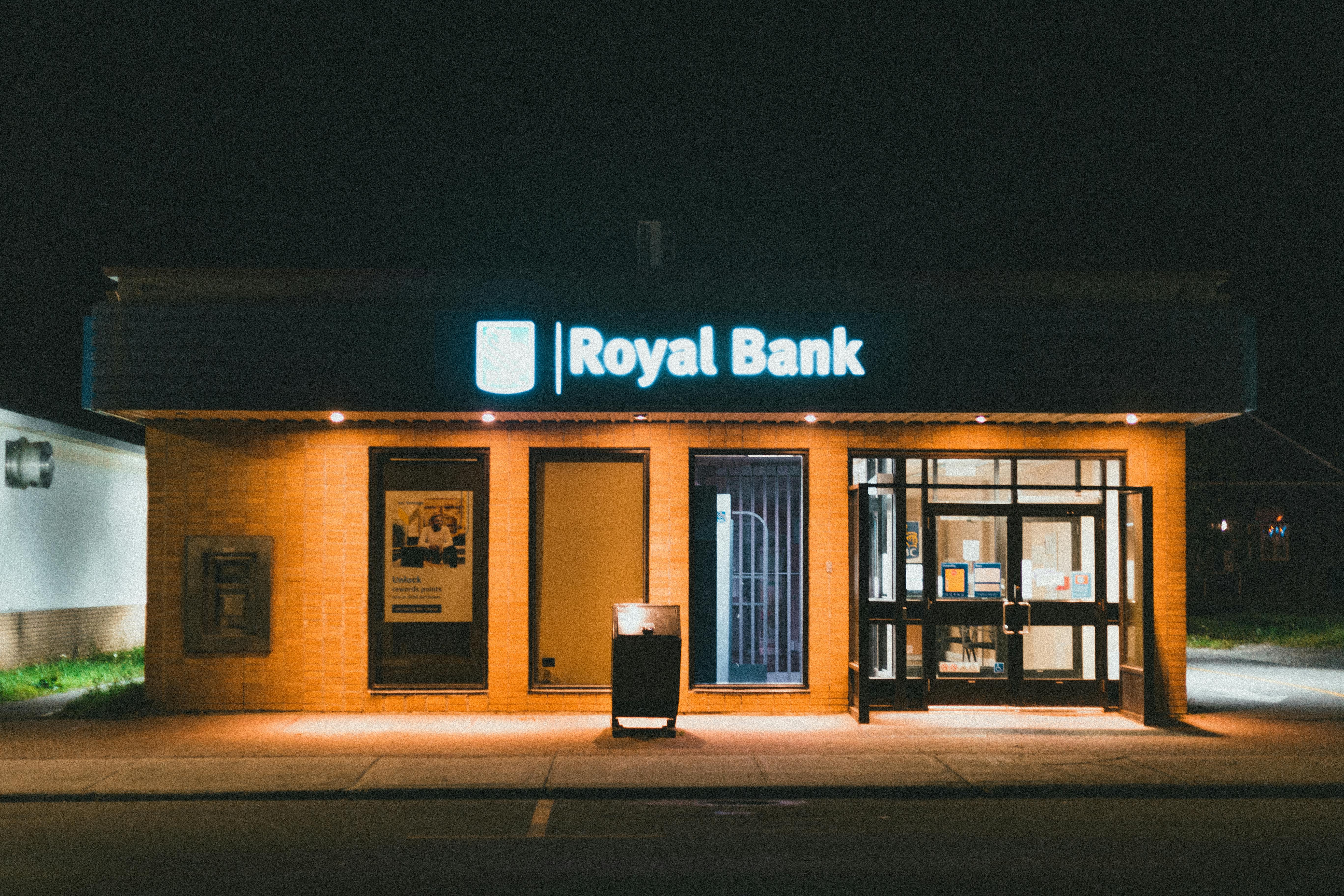
The launch carries symbolic and institutional weight because it comes from a Black-owned bank with an explicitly community-centered mission. Redemption Holding Co. completed its acquisition of Holladay Bank & Trust a year earlier, marking the first time a bank had been owned by a Black-led investment group in the Western United States. At the time, the bank had roughly $65 million in assets and focused largely on commercial and small-business lending.
That background helps explain why the Bank King Card is being framed as more than a promotional product. Black-owned financial institutions have long been tied to efforts to expand access to credit, protect community wealth, and counter historic exclusion from mainstream banking. In that tradition, a card linked to direct support for vulnerable mothers is both a financial product and a statement about who banking should serve.
Bernice A. King, the youngest child of the Rev. Martin Luther King Jr. and a co-founder and senior vice president of the bank, has emphasized the need for economic opportunity that is practical and family-centered. Her involvement gives the initiative a civil-rights resonance, especially as it asks consumers to align financial choices with social values.
The timing reinforces that message. The card is being introduced around Juneteenth, the federal holiday marking the delayed announcement of emancipation to enslaved people in Galveston, Texas, in 1865. By pairing the launch with that date, the bank is connecting present-day financial inclusion to a longer struggle for freedom and economic participation.
What Success Could Look Like and What Comes Next

The immediate test for the Bank King Card program will be scale. A promising idea only becomes meaningful if enough people open accounts and enough nonprofit partners can convert donations into timely, effective cash support. Administrative clarity, transparent grantmaking, and measurable outcomes will determine whether the initiative becomes a durable model or remains a niche experiment.
Success should not be measured only by the number of cards issued. More important metrics would include how many mothers receive assistance, how quickly funds reach them, and whether the aid helps prevent evictions, utility shutoffs, food insecurity, or childcare disruptions. If the program can demonstrate concrete household-level improvements, it may attract broader interest from mission-driven consumers and financial institutions.
Redemption Bank is also planning a Bank King Card credit card with interest rates capped at 12%, an unusually restrained ceiling in a market where many cards charge far more. If that product follows the same social-impact logic, it could further distinguish the bank from competitors that pair convenience with expensive debt rather than community benefit.
At a time when many Americans are skeptical that financial innovation serves ordinary families, this program offers a more grounded proposition. It suggests that banking can be used not just to generate profit, but to redirect resources toward mothers whose stability shapes the well-being of children, neighborhoods, and future economic mobility.