

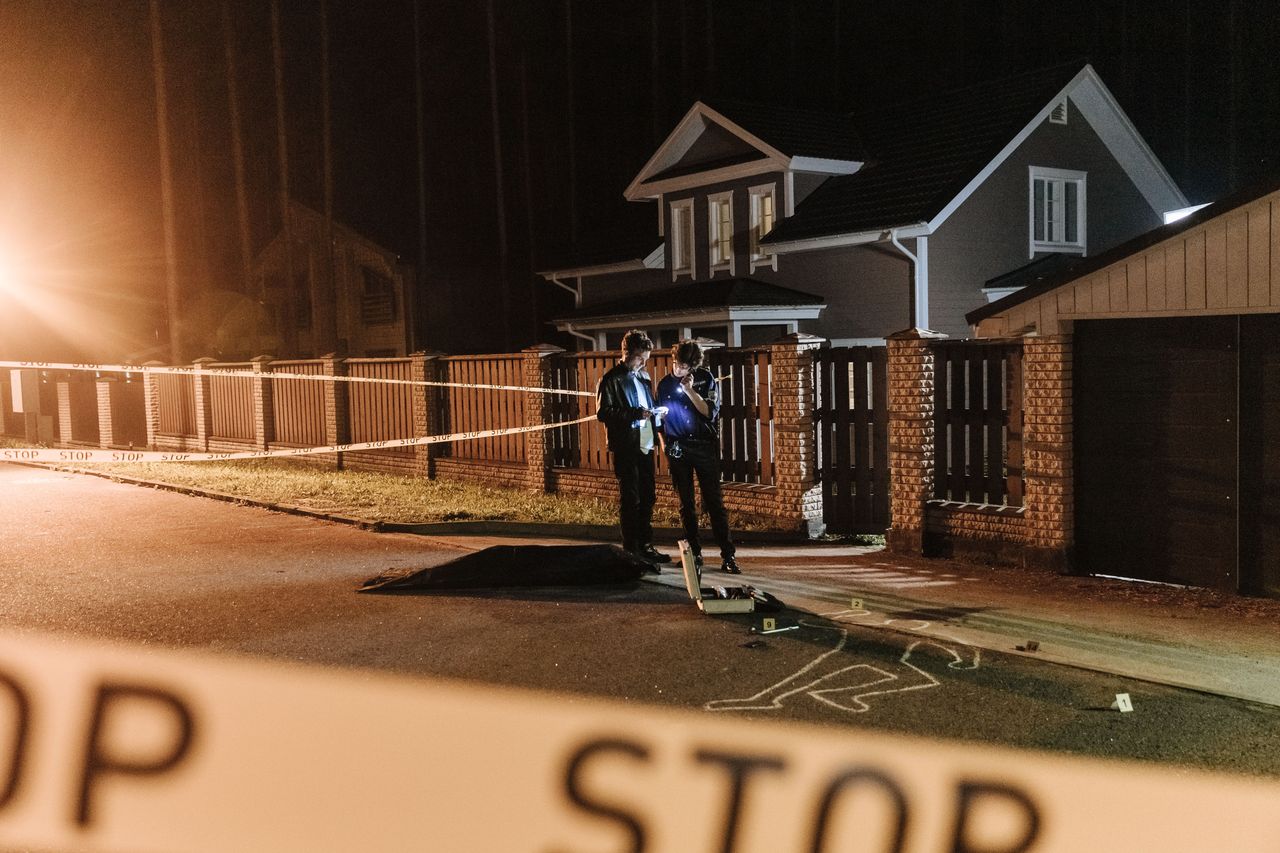
Kansas City is on edge as investigators widen their search. The manhunt has become a focal point for residents seeking answers and reassurance.
Police Broaden the Search Across Kansas City
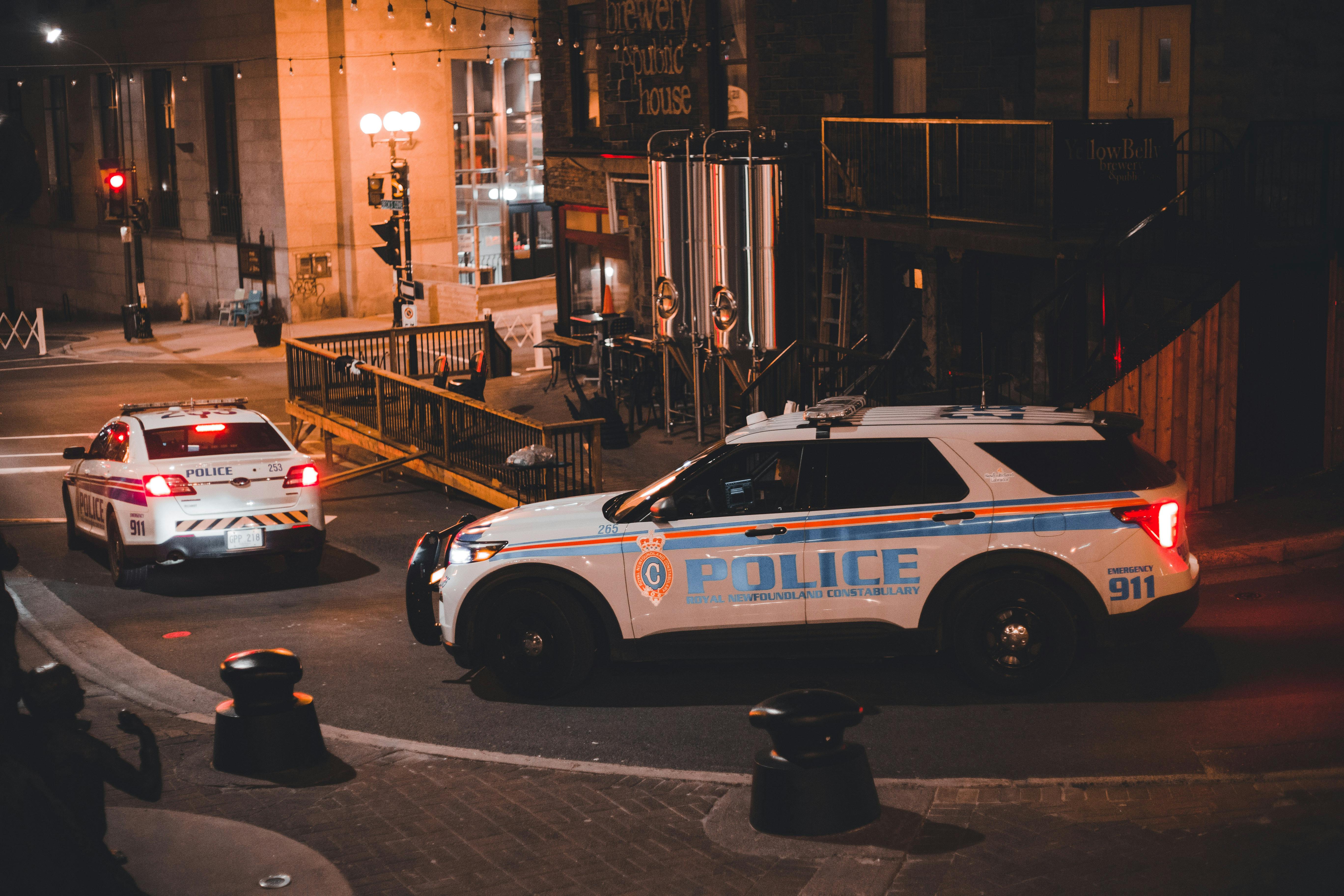
Law enforcement officials have expanded efforts to locate the suspect connected to the Kansas City shooting, deploying additional officers, following up on witness statements, and reviewing surveillance footage from nearby businesses and traffic cameras. In cases like this, the first 24 to 72 hours are often critical because detectives are trying to reconstruct movements, verify timelines, and identify whether the suspect had help leaving the scene. Authorities typically coordinate across city, county, and sometimes state lines when there is any indication a suspect may be mobile.
Investigators are also relying on digital evidence, which has become central in modern shooting cases. Cellphone records, automated license plate reader data, and neighborhood security video can help narrow a suspect’s route even when eyewitness descriptions are incomplete or inconsistent. According to criminal justice experts, these tools can dramatically speed up identification, but they also require careful verification to avoid false leads that consume valuable time.
Public alerts are another major part of the search strategy. Police often release limited suspect information to encourage tips while withholding sensitive details that only the perpetrator would know. That balance matters because investigators need public assistance, but they also need to protect the integrity of interviews, future charges, and possible court proceedings.
Investigators Piece Together the Events of the Shooting
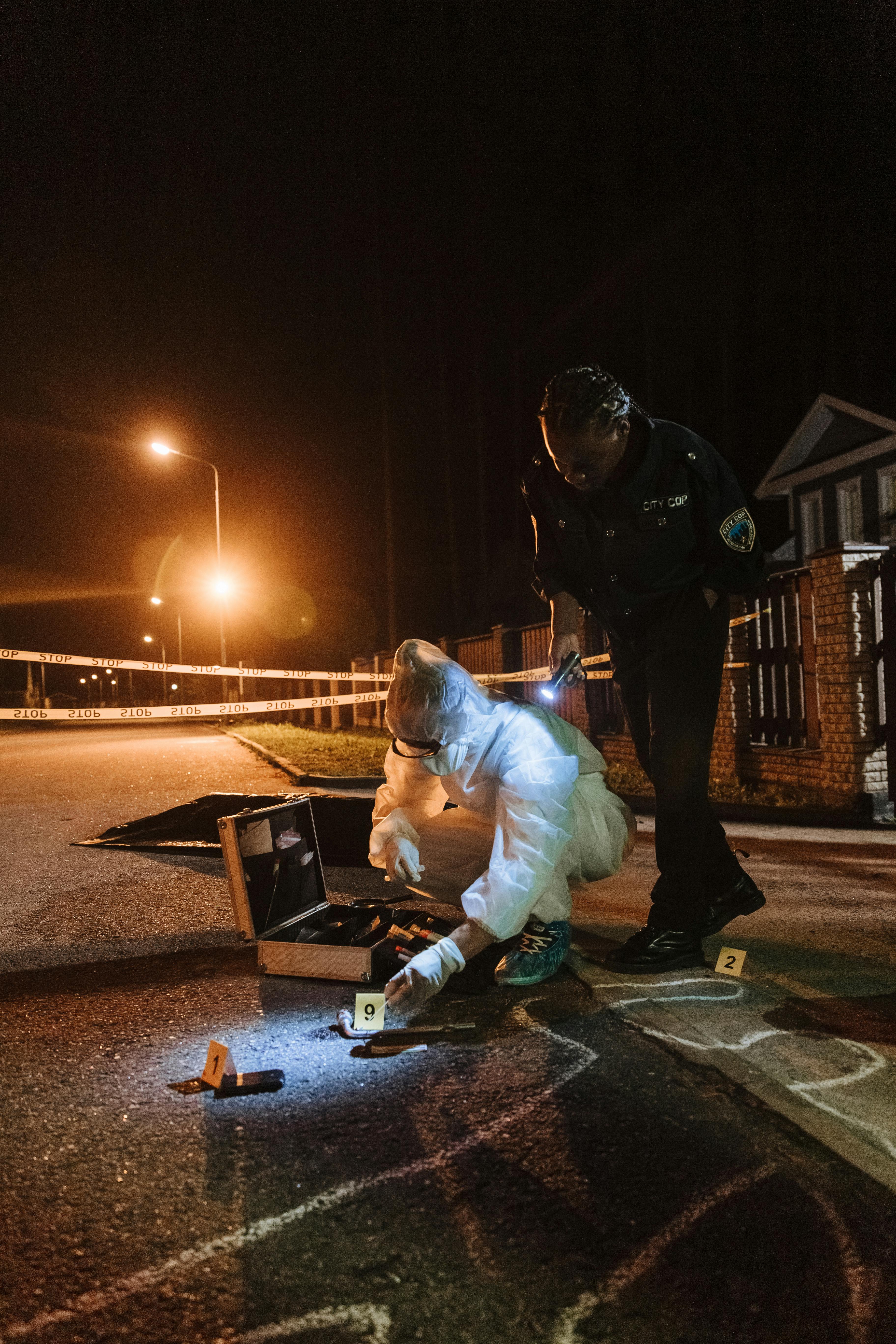
A shooting investigation generally begins with a close examination of the crime scene, and that process can reveal more than many people realize. Detectives and forensic teams document shell casings, bullet trajectories, blood evidence, and property damage to determine where the shooter stood, how many shots were fired, and whether there was an exchange of gunfire. Even small fragments can become key evidence when entered into ballistics databases that compare markings from other cases.
Witness accounts remain important, but they are rarely perfect in chaotic situations. Stress, noise, low light, and the speed of violence can affect memory, which is why investigators compare statements against physical evidence instead of relying on a single narrative. Experienced detectives often reinterview witnesses after the initial shock has faded, and those later conversations can produce clearer descriptions of vehicles, clothing, or the direction of flight.
In many high-profile shootings, investigators also work backward from the victim’s recent contacts, social media activity, and known disputes. That does not mean a motive is immediately clear, but it can help establish whether the attack was targeted, spontaneous, or connected to a broader conflict. These distinctions shape how police allocate resources and whether they believe there is an ongoing threat to the public.
Community Anxiety Grows as Officials Ask for Patience
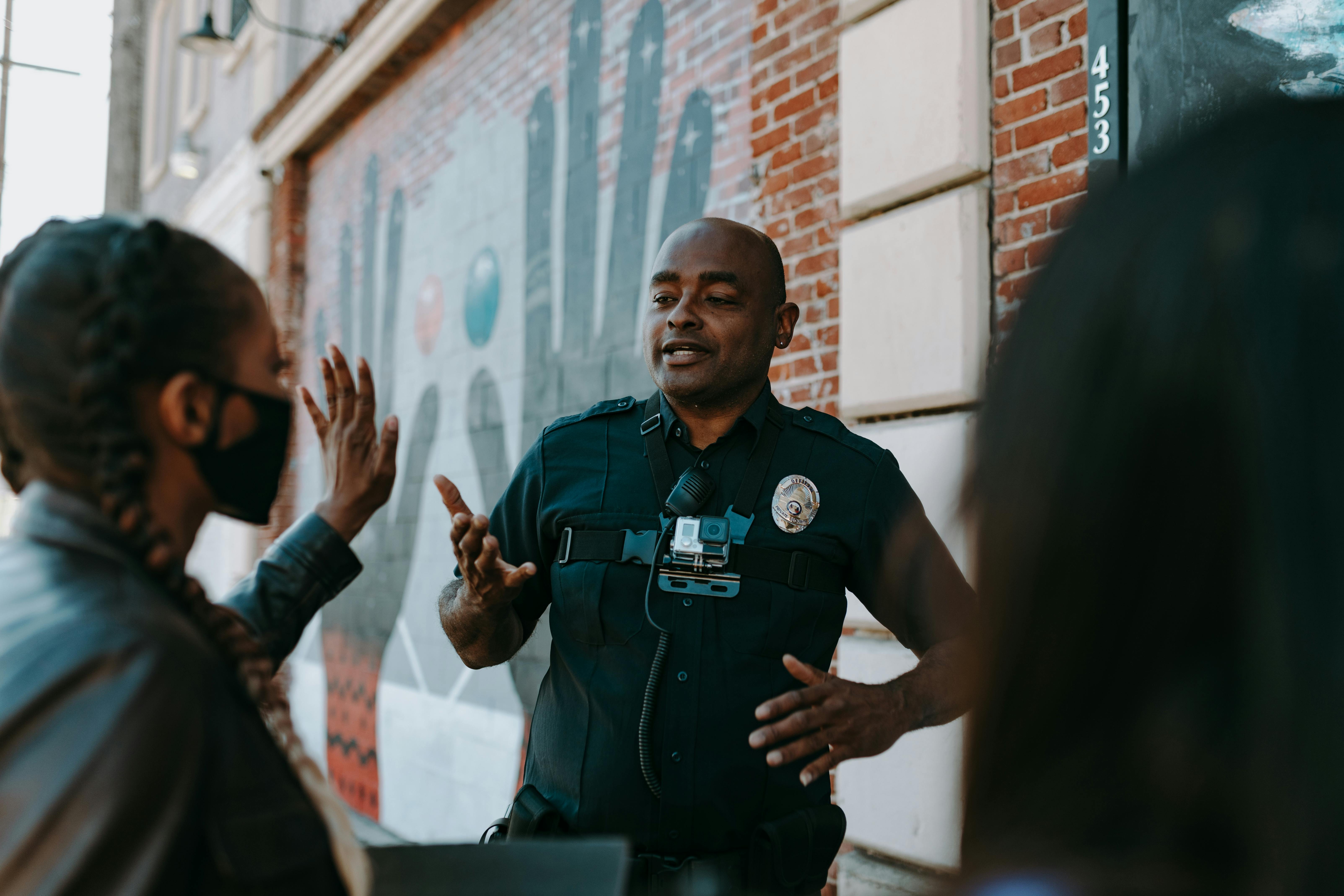
As the search intensifies, residents are left balancing fear, frustration, and a desire for fast answers. In neighborhoods affected by violence, the sight of police vehicles, crime scene tape, and repeated media updates can deepen unease, particularly when a suspect has not yet been taken into custody. Community leaders often stress that visible law enforcement presence is intended both to reassure residents and to deter further violence.
At the same time, officials typically urge the public not to spread rumors online. Social media can help circulate official suspect descriptions quickly, but it can also amplify unverified claims that misidentify innocent people or create panic. Recent law enforcement cases across the country have shown how quickly speculative posts can interfere with investigations by flooding tip lines with unreliable information.
Victim advocates say the emotional toll extends well beyond the crime scene. Families, witnesses, nearby business owners, and first responders may all experience lingering stress in the aftermath of a shooting. That is why police departments increasingly coordinate with local support services, counseling resources, and neighborhood organizations while the criminal investigation continues in parallel.
Why Suspect Searches Can Take Time Despite Intense Pressure
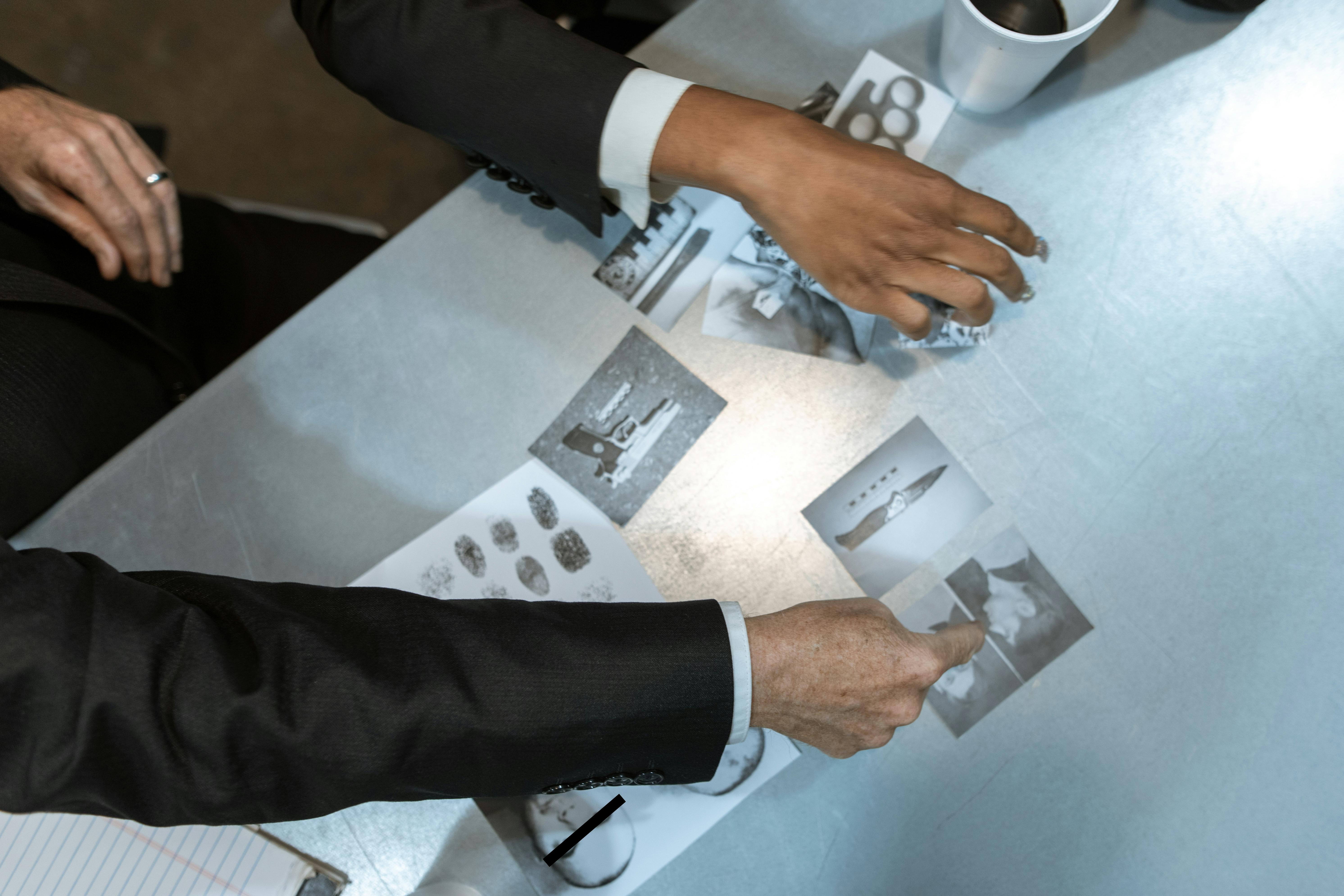
To the public, a major manhunt can seem straightforward: identify the suspect and make an arrest. In reality, police must meet a legal and evidentiary threshold before taking action, especially if they are seeking arrest warrants, conducting searches, or coordinating with prosecutors. A rushed move based on weak information can jeopardize the case and potentially allow a defense attorney to challenge critical evidence later.
Another complicating factor is that suspects often rely on familiar networks and ordinary routines to avoid detection. They may switch vehicles, stay with acquaintances, discard clothing, or avoid digital devices that could reveal their location. Former investigators frequently note that successful fugitive searches depend as much on patient pattern analysis as on dramatic tactical operations shown in television crime dramas.
There is also a practical reality: law enforcement agencies must sort credible tips from background noise. A widely publicized case can generate hundreds of calls within hours, and many leads turn out to be duplicates or misunderstandings. Still, even a single accurate detail from a resident, store clerk, or passing driver can break the case open, which is why investigators continue to emphasize public cooperation.
What Happens Next in the Investigation

The next stage will likely focus on refining the suspect profile, tracing movements after the shooting, and determining whether additional charges or accomplices are involved. If police identify a probable location, they may conduct surveillance before moving in, especially if they believe the suspect is armed or at risk of fleeing again. Tactical planning in such situations is designed to protect officers, bystanders, and anyone inside a residence or vehicle.
Prosecutors will also be watching the case closely from an early stage. In serious violent crimes, investigators and prosecutors often work side by side to ensure that evidence collection aligns with the charges most likely to be filed, whether those include assault, unlawful use of a weapon, or homicide-related counts if injuries prove fatal. That early coordination can strengthen the case and reduce delays after an arrest.
For Kansas City residents, the immediate concern remains safety and resolution. Police are expected to keep asking for information from the public while pursuing forensic results and surveillance review behind the scenes. Until the suspect is found, the investigation will remain a test of coordination, precision, and community trust under intense public scrutiny.