

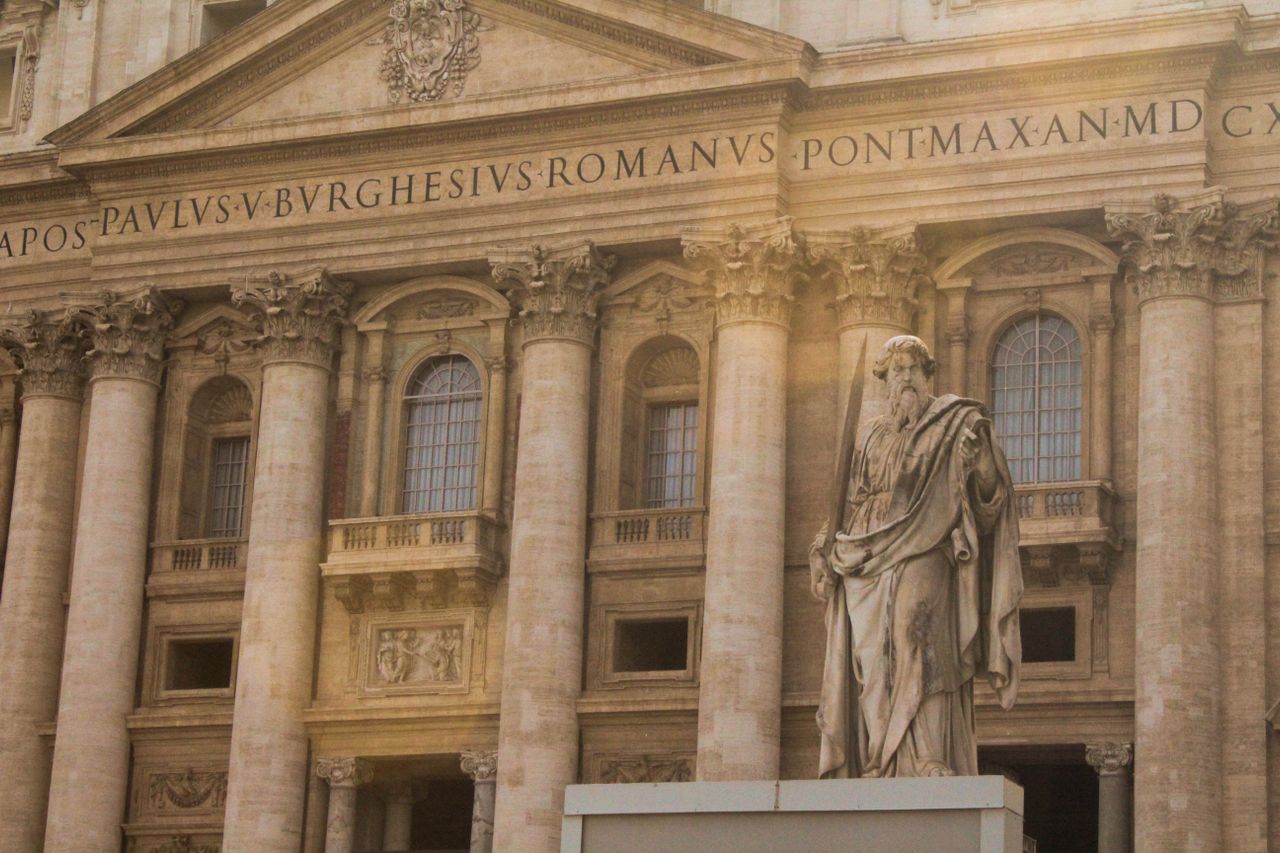
A long-running dispute over authority, doctrine and the Latin Mass has become a formal rupture inside the Roman Catholic Church. On July 2, the Vatican declared that the Society of St. Pius X had entered into schism after the traditionalist movement proceeded with unauthorized episcopal consecrations in Écône, Switzerland.
Vatican says 6 bishops incurred excommunication after July 1 ceremony
The Vatican’s Dicastery for the Doctrine of the Faith announced on July 2 that the Society of St. Pius X, also known as SSPX, had carried out a schismatic act by consecrating four bishops without the pope’s mandate, according to the decree published by Vatican News and reporting from the Associated Press. The action followed a July 1 ceremony at the group’s international seminary in Écône, where the Vatican said church law had been openly defied.
The decree said the four newly consecrated bishops, along with the two bishops who performed the rite, incurred automatic excommunication. Vatican News said Cardinal Víctor Manuel Fernández signed the decree, which stated that repeated attempts to restore the movement to full communion with Rome had failed. The Vatican had warned in advance that proceeding with the ordinations would amount to a “decisive rupture of ecclesial communion.”
The Society of St. Pius X traces its origins to Archbishop Marcel Lefebvre and has spent decades at odds with Rome over the reforms of the Second Vatican Council. AP reported that the group centers its religious life on the traditional Latin Mass and rejects elements of modern Catholic teaching, especially on religious liberty, ecumenism and the church’s relationship with other faiths. The current decree goes further than prior disciplinary steps by explicitly declaring the society to be in schism.
The Vatican’s decree was issued in Rome and the consecrations happened in Switzerland, but the impact reaches the United States because the SSPX has a substantial American presence. The Washington Post reported that the movement claims hundreds of thousands of followers, largely in the United States and Europe, and AP described it as a decades-old thorn in the Vatican’s side with support among traditionalist Catholics.
What remains unclear is the full scale of the practical effect at the parish level in the U.S. The Vatican has not released a comprehensive list of affected chapels, schools or communities, and it has not published a state-by-state breakdown of where penalties may be enforced or scrutinized most closely. The decree instead focused on clergy and on lay people who “formally adhere” to the schism, a phrase that leaves room for canon lawyers and dioceses to interpret individual cases.
That distinction matters for American Catholics who attend SSPX chapels or schools. The Vatican’s explanatory note, cited by Vatican News and AP, warned that priests who freely exercise ministry within the movement can also be considered in formal adherence to the schism. Lay faithful were not declared automatically excommunicated as a class, but the Vatican said formal adherence to the rupture could carry the same penalty under church law.
The immediate cause of the decree was the July 1 consecration of bishops without papal approval, an act the Vatican had repeatedly said would trigger grave canonical consequences. Vatican News reported that the Holy See had tried to prevent the break through theological dialogue, including a February meeting with SSPX superior general Father Davide Pagliarani and a later warning from Cardinal Fernández in May.
The deeper dispute is doctrinal. According to Vatican News, the Holy See said unresolved disagreements involved the degree of assent owed to teachings of the Second Vatican Council and the society’s refusal to accept what Rome considers minimum requirements for full communion. AP similarly reported that the movement opposes the council’s reforms and presents itself as preserving the faith against error in the post-conciliar church.
For Catholics in the U.S. and elsewhere, the practical message is that the Vatican now considers the rupture formal, not merely irregular. That means dioceses, clergy and worshippers can expect continued scrutiny over sacramental participation, ministry and public alignment with the society. As of July 4, the Vatican’s position is that the schism followed a specific act on July 1 and was formally declared on July 2, closing the latest chapter in a conflict that has stretched across five decades.