

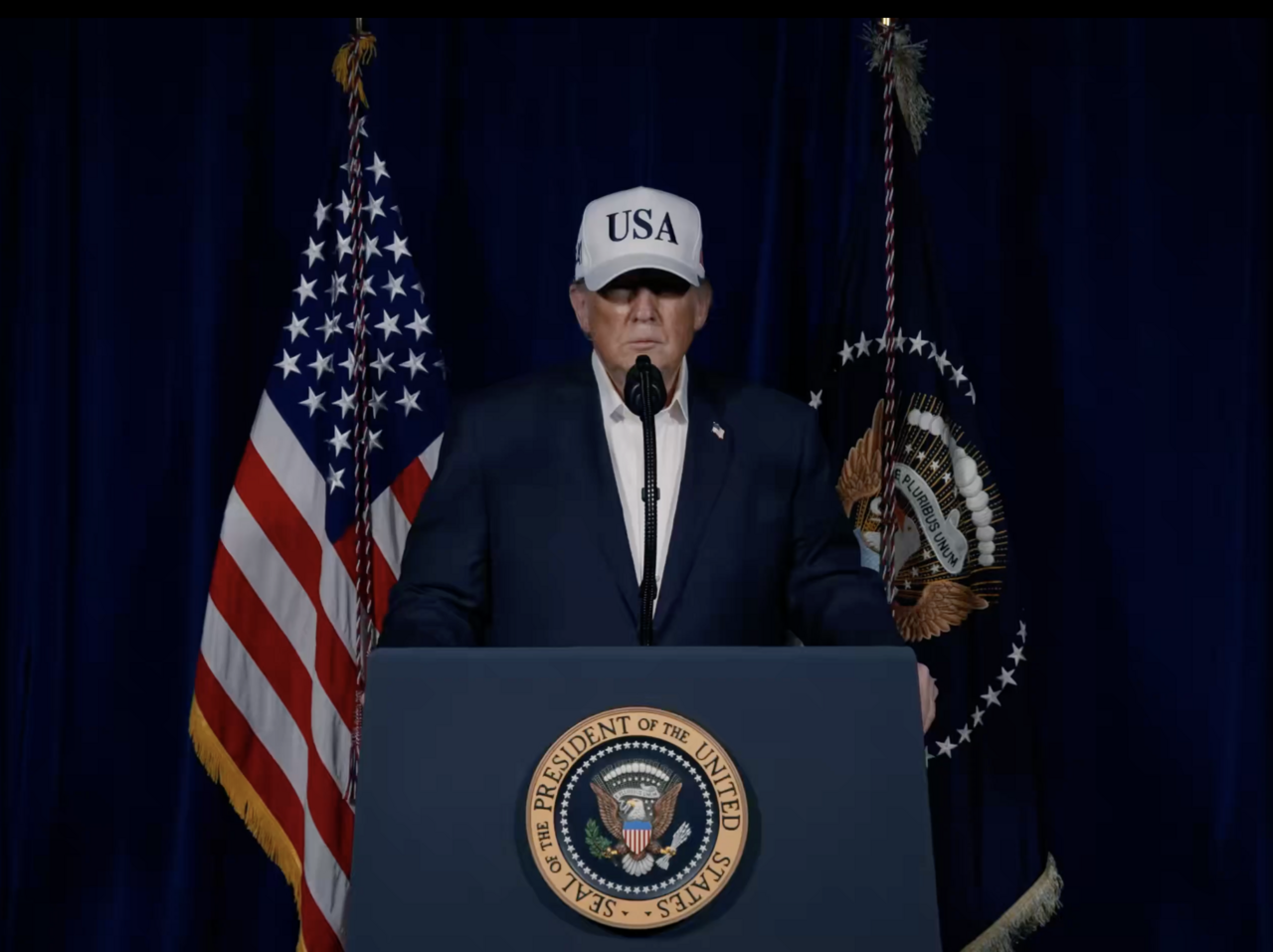
Debates over US military spending and NATO burden-sharing have returned to the center of Washington’s foreign policy discussion. That focus has sharpened around former President Donald Trump’s renewed push to use US troop deployments in Europe as leverage with alliance members he says should spend more on defense.
Trump’s latest position centers on US troop levels in Europe
Trump has repeatedly argued that NATO countries should contribute more to their own defense, and he has tied that argument to the presence of American troops stationed across Europe. In recent public remarks and campaign statements, he has said the United States should reconsider deployments in countries that do not meet alliance defense spending targets, reviving an approach he also pursued while in office.
The scale most often discussed involves the tens of thousands of US service members based in Germany, Poland, Italy, the United Kingdom and other NATO countries, according to Pentagon force posture data. Germany alone has hosted roughly 35,000 US troops in recent years, making it one of the largest hubs for American forces outside the United States. No current Defense Department order has publicly confirmed a new withdrawal plan with a specific troop number or execution date.
Trump previously announced in 2020 that about 12,000 troops would be repositioned out of Germany, a plan the Pentagon outlined at the time before the Biden administration later halted it. That earlier move was explicitly linked by Trump administration officials to Berlin’s defense spending levels and broader cost-sharing disputes. The present discussion draws on that same policy framework, though no official reinstatement has been publicly released.
For NATO countries now hosting US troops, the confirmed reality is that any major reduction would affect alliance logistics, training and deterrence planning across multiple bases. Installations in Germany serve as command, medical, airlift and rotational support centers for operations in Europe, Africa and the Middle East, according to the Defense Department’s long-standing posture descriptions. Poland and the Baltic region have also become more important in recent years because of NATO’s response to Russia’s war in Ukraine.
What is not yet known is whether any new plan would focus primarily on Germany, spread reductions across several countries, or simply use the possibility of withdrawals as negotiating pressure. Neither Trump’s campaign nor the Pentagon has released a full, current list of installations or troop counts that would be affected under a new proposal. That leaves key operational details unresolved, including whether units would return to the United States or shift elsewhere in Europe.
European officials have responded cautiously when similar ideas have surfaced, emphasizing that NATO force decisions involve both national and alliance planning. NATO has also increased pressure on members to meet the alliance benchmark of spending 2% of gross domestic product on defense, a target that more countries have reached since Russia’s 2022 invasion of Ukraine. That broader spending trend is central to the political argument Trump has made.
The core reason behind the debate is burden-sharing. Trump has long said the United States carries too much of NATO’s defense cost and that troop deployments should reflect whether allies meet spending commitments. NATO Secretary General Mark Rutte and alliance data have both shown that European military spending has risen sharply in recent years, but the alliance still includes members that only recently reached or are still working toward the 2% benchmark.
US troop deployments also serve purposes beyond defending host nations alone. Military analysts and Pentagon officials across administrations have said bases in Germany and elsewhere support rapid mobility, intelligence coordination, maintenance and medical evacuation for operations well beyond Europe. That means any reduction would carry consequences not just for NATO symbolism, but for how the US military stages global missions.
For residents in host countries and for US military families, the immediate takeaway is that there is no publicly confirmed new withdrawal schedule. Any formal change would typically require Pentagon planning announcements, consultation with allies and logistical timelines that unfold over months rather than days. For now, the issue is best understood as a live policy threat and negotiating tool tied to NATO spending, rather than a completed troop pullout.