

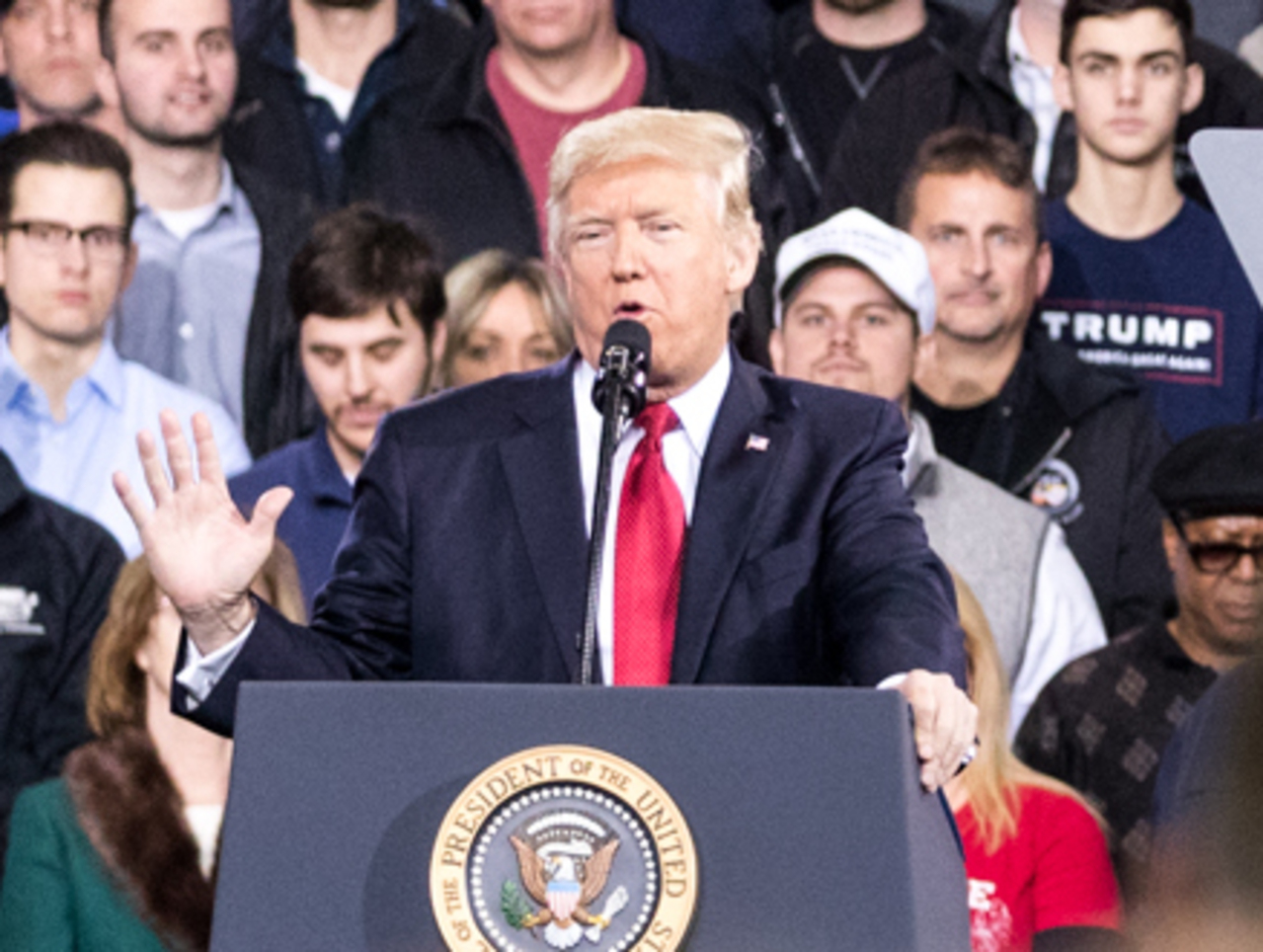
As fighting between the United States and Iran intensified again this week, President Donald Trump used a NATO summit appearance to sharpen his public warnings about Tehran. On July 8 in Ankara, Turkey, Trump said he is “number one on the kill list for Iran,” tying the comment to the broader U.S.-Iran conflict and his administration’s renewed military action.
Trump made the remark as U.S.-Iran tensions escalated
Trump made the statement to reporters on July 8 while attending the NATO leaders summit in Ankara, according to Reuters, Fox News video coverage and a published transcript of his press remarks. In the same appearance, he said a tentative ceasefire with Iran was “over” and described further negotiations as a “waste of time,” signaling a harder public line as the conflict widened.
The comment came hours after new U.S. military strikes on Iran, according to reporting from the Associated Press and The Washington Post. AP reported that Iran had answered with attacks involving Gulf Arab states, while Trump said the latest fighting would not amount to “long-term” military action. The White House had not, as of Thursday, released any new formal threat bulletin tied specifically to Trump’s “kill list” comment.
Trump has spoken before about Iranian threats against him, but the July 8 remark was unusually direct and personal. In the Ankara exchange, he framed the danger as part of the presidency and said he was continuing to do his job despite it, according to the transcript and multiple news reports. Reuters also reported separately that Trump told NATO allies he wanted to keep the United States in the alliance even as he escalated his rhetoric on Iran.
Trump’s statement did not identify any U.S. state, city or local facility as facing an immediate new threat. The remark was made overseas during an international summit, and federal officials had not publicly tied it to specific security changes in any one state by Thursday, leaving the local operational impact unclear.
What is confirmed is that the Secret Service and other federal agencies have long treated threats involving current and former presidents as a national security matter. What is not yet known is whether Trump’s latest public description of himself as Iran’s top target prompted any additional protective measures beyond existing protocols. No public notice released on Wednesday or Thursday detailed a state-by-state change.
For U.S. residents, including readers following the issue locally, the immediate practical effect is mostly informational rather than administrative so far. There were no announced closures, evacuations or local advisories linked directly to Trump’s statement. Any visible local impact would most likely come through federal security coordination, but no comprehensive public accounting of such measures had been released.
The context for Trump’s comment is the rapid collapse of what had been described as an interim diplomatic arrangement with Iran. Reuters, Axios and CBS reported that Trump said the ceasefire or memorandum of understanding was effectively finished after fresh attacks in and around the Strait of Hormuz and new U.S. retaliation. That shift moved the public message away from negotiation and back toward coercion.
The conflict background is also central. Coverage from AP, Reuters-based reports and other major outlets shows that the administration has tied its Iran policy to preventing Tehran from advancing nuclear capabilities and from projecting force in the region. Trump’s own public statements this year, including White House fact sheets and prior interviews, repeatedly framed Iran as a direct threat to U.S. interests and to him personally.
For residents and markets, the immediate meaning is continued volatility rather than a settled policy outcome. Oil prices moved sharply after Trump’s latest comments, according to Axios, underscoring how quickly rhetoric around Iran can affect global trade and domestic fuel expectations. As of July 9, the administration had not announced a new diplomatic framework to replace the one Trump said was over, leaving the next step officially unresolved.