

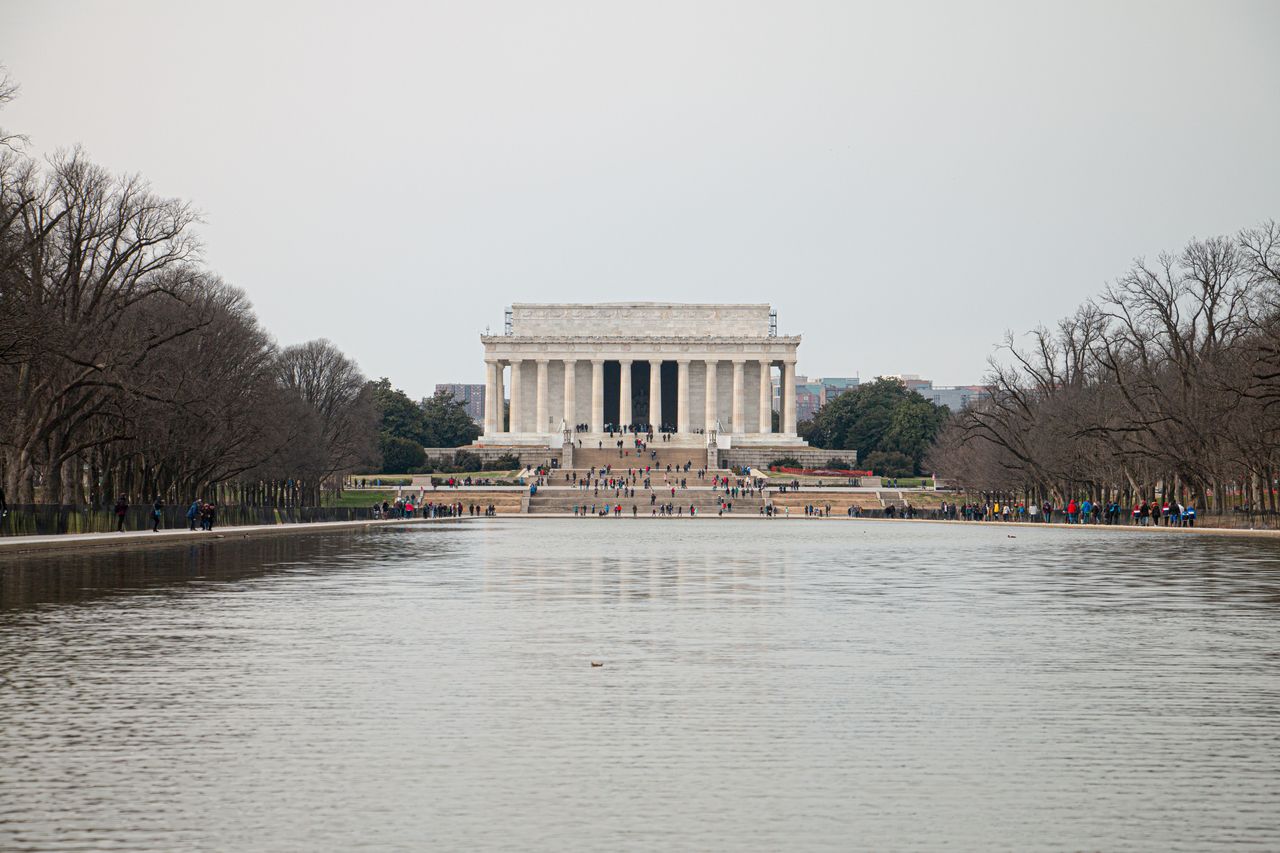
A famous Washington landmark has suddenly become a water-quality story. The use of hydrogen peroxide in the Lincoln Memorial Reflecting Pool is not random or cosmetic; it is a targeted response to an algae problem that appeared soon after the pool was refilled.
What triggered the hydrogen peroxide treatment

The immediate reason hydrogen peroxide is being used is simple: the Reflecting Pool developed a visible algae bloom after its recent renovation and refill. According to AP and local outlet WTOP, the water turned green within days, prompting crews from the National Park Service and the Interior Department to begin active treatment. Officials paired the peroxide with nanobubble ozone technology, signaling that the problem was serious enough to require rapid intervention.
This followed a spring 2026 closure for lining and repair work. The National Park Service said the project involved cleaning the pool, repairing joints, and installing lining material before the basin was reopened and refilled. AP reported that the broader renovation carried a price tag of more than $14 million, and the pool began refilling in early June 2026.
WTOP also reported that Interior described some of the early growth as “residual” algae connected to pumps and pipes. That matters because algae can rebound quickly when a large basin is refilled, especially if microscopic growth or nutrients remain in circulation. In a shallow, sunlit body of water, even a small seed population can turn into a visible bloom fast.
Why hydrogen peroxide makes sense for algae control

Hydrogen peroxide is being used because it can suppress algae while breaking down into water and oxygen, which makes it a more controlled option than some harsher disinfectants. Interior told WTOP that peroxide is a milder treatment than chlorine and is used in spas and specialty pools, including some natural swimming pools. That explanation fits standard water-treatment logic: when appearance, public access and environmental sensitivity all matter, managers often look for methods that reduce side effects.
Algae blooms are not just a color issue. They can cloud water, coat surfaces, create odors and undermine the mirror-like effect that gives a reflecting pool its purpose. In a monument setting, that visual degradation becomes immediately obvious, especially at a site designed to frame the Lincoln Memorial and Washington Monument in reflection.
Peroxide can also act quickly, which is likely part of its appeal here. News images showed workers pouring it directly into the pool as crews simultaneously strained water and cleaned by hand. In other words, officials were not treating this as a slow, passive maintenance step. They were using peroxide as an active corrective tool to blunt a bloom already visible to the public.
Why did officials not want to rely on chlorine alone

One reason peroxide drew attention is that many people expect any large pool to be treated like a swimming pool. But the Lincoln Memorial Reflecting Pool is not a recreational pool; it is a monumental water feature with a different operating goal. The priority is not swimmer sanitation but water clarity, visual quality and control of biological growth in a highly visible landscape.
Interior’s statement to WTOP emphasized that peroxide is milder than chlorine, and that distinction is important. Chlorine can be effective, but it can also create stronger odors, interact with organic matter and raise concerns about how the water looks or behaves in an open-air memorial basin. Officials also said the peroxide treatment would not cause harmful side effects to marine life or the environment, suggesting they wanted a method that could be defended both operationally and publicly.
There is also a perception issue. Visitors expect the Reflecting Pool to look calm and pristine, not chemically harsh or obviously overtreated. Using peroxide allows managers to say they are fighting algae aggressively while still presenting the response as measured. That balance matters when the site is both a tourist destination and a national symbol.
The role of renovation, refilling, and “residual” algae
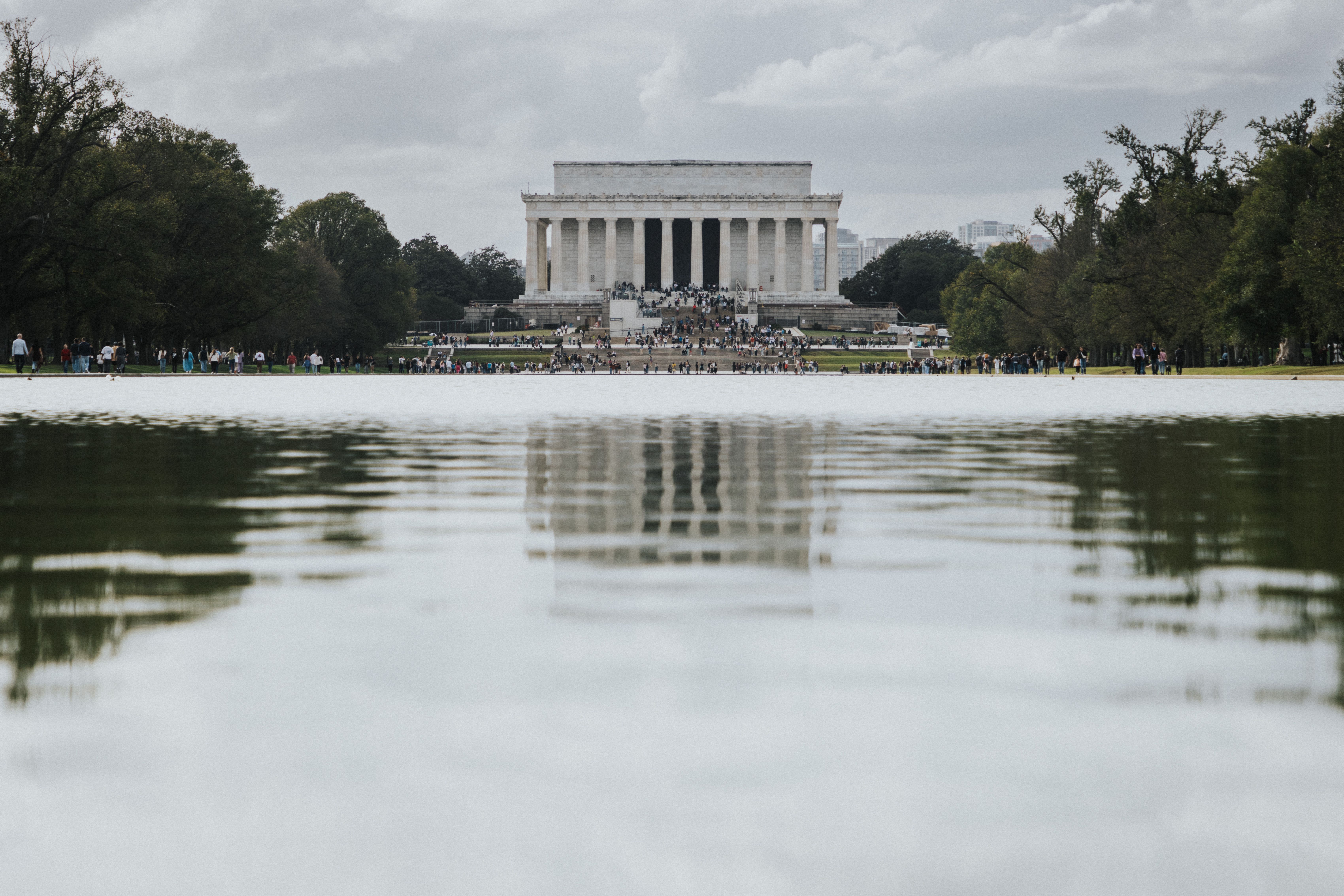
The timing of the bloom strongly suggests the renovation and refill phase played a major role. AP reported that the pool had recently been remodeled and refilled, while WTOP said algae had been growing since the water returned last week. Newly refilled systems often go through an unstable period as circulation, temperature, light exposure and water chemistry settle into a new equilibrium.
If algae or nutrients remained in pumps, pipes or other system components, refilling could have given them a fresh opportunity to spread. Interior’s reference to “residual” algae points in that direction. Even if the basin itself was cleaned, a complex water system can still harbor biological material that reappears once flow resumes.
The very scale of the Reflecting Pool makes the challenge harder. It is a long, shallow, iconic basin exposed to summer sun and constant public scrutiny. Small imbalances become visible quickly, and a problem at one end of the pool can create the impression that the entire monument has deteriorated. That helps explain why crews appeared to be treating sections intensely rather than waiting for the issue to resolve on its own.
Why nanobubbles and peroxide are being used together
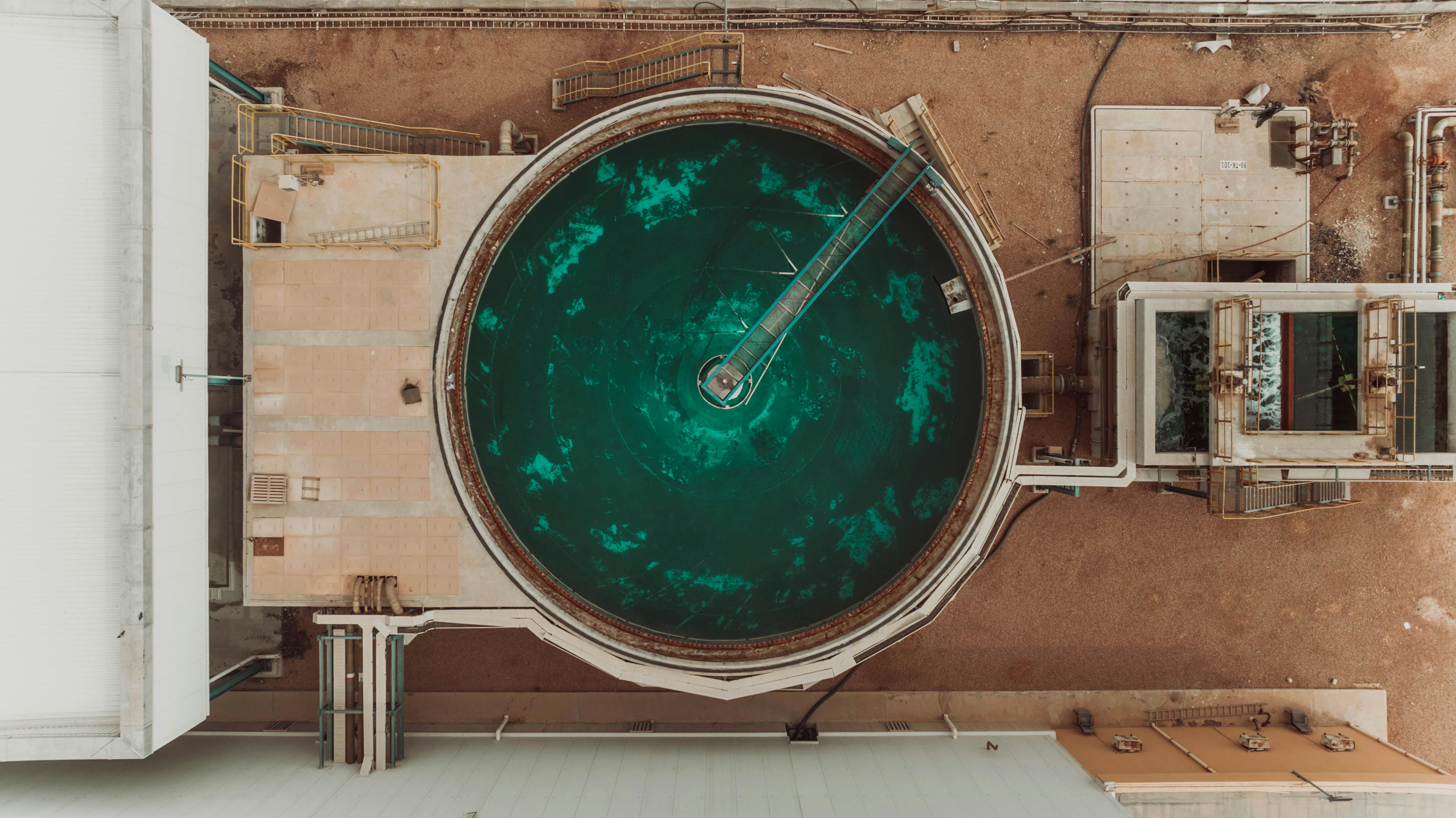
The peroxide treatment is only part of the response. WTOP reported that the government is also deploying nanobubble ozone technology, which Interior said is intended to help keep the water clear and clean while actively killing algae, pathogens and contaminants. Used together, peroxide and nanobubbles suggest a layered strategy: one treatment attacks the immediate bloom while the other aims to improve overall water conditions.
That combination makes practical sense in a large decorative basin. Peroxide can help knock down active algae, but if circulation, oxygenation or contamination pressures remain unfavorable, blooms may return. Nanobubble systems are often promoted for improving dissolved oxygen and water quality in ways that support longer-term stabilization, though success depends on how the system is designed and maintained.
The fact that officials turned to multiple technologies so quickly tells its own story. This was not merely about a few green patches on the surface. It was about restoring confidence that the renovated pool could hold the clear, reflective appearance the public expects from one of Washington’s best-known landmarks.
What this says about the Reflecting Pool’s bigger challenge

In the end, hydrogen peroxide is being used because officials needed a fast, visible and comparatively gentle way to fight algae in a nationally important pool that had just reopened. The treatment choice reflects both chemistry and optics. It is meant to solve a real biological problem while avoiding the impression that the government is dumping unnecessarily harsh chemicals into a historic landscape.
The episode also shows how difficult monumental water features can be to manage, especially after construction or major repair. A reflecting pool is not a lake, but it is not a backyard pool either. It sits in an awkward middle ground where engineering, ecology, weather and symbolism all collide.
That is why this story matters beyond a single chemical. Hydrogen peroxide is the headline, but the larger issue is water stability in an enormous, high-profile public basin. If the treatment works, most visitors will never think about it again. If algae keeps returning, the Reflecting Pool may become an ongoing lesson in how hard it is to keep an iconic landscape looking effortless.